You know that feeling when just thinking about something makes your heart race? Yeah, phobias can be like that. They can turn the most ordinary situations into total nightmares.
Imagine being in a room full of spiders or standing at the edge of a high balcony, and suddenly you can’t breathe. It’s wild how our minds can make us feel trapped by things that seem harmless to others.
But here’s the thing: you’re not alone in this! Tons of people deal with specific phobias, whether it’s heights, crowds, or even certain animals. And it’s totally understandable!
The cool part is that there are ways to navigate through them. You can really change your relationship with those fears. Curious about how? Let’s dig into this together!
Overcoming Phobias: Effective Strategies and Treatment Options
Overcoming phobias can feel like climbing a mountain sometimes, can’t it? Those intense fears, whether it’s spiders or heights, can really throw a wrench in your day-to-day life. But if you’re looking for ways to tackle these phobias head-on, there are definitely some effective strategies and treatment options that might help.
First off, one popular method is exposure therapy. This basically means gradually facing the fear in a controlled way. Let’s say you’re afraid of dogs. With this approach, you might start by just looking at pictures, then watching videos of dogs, and finally being near them in real life. It’s all about taking baby steps until the fear feels more manageable.
Then there’s Cognitive Behavioral Therapy (CBT), which is a biggie when it comes to mental health stuff. The goal here is to change the way you think about your fear. You know how every time you see a spider, your mind goes into overdrive thinking about how it’s going to jump on you? CBT helps you identify those thought patterns and replace them with more rational ones. It’s all about retraining your brain, so to speak.
Of course, there are also support groups. Sometimes just talking to people who get what you’re going through can make a huge difference! Sharing stories and coping strategies with others can reduce feelings of isolation. Plus, you might hear about what worked for someone else.
Now let’s not forget medications. Things like antidepressants or anti-anxiety meds might be suggested in some cases. They’re not for everyone but they can help ease symptoms while you’re working on other techniques.
And speaking of techniques, mindfulness practices can be super helpful too! Things like meditation or deep breathing exercises encourage relaxation and grounding when those panic feelings start creeping in. It’s kind of like giving your brain a little chill pill when things get too overwhelming.
So why does all this matter? Because overcoming phobias isn’t just about facing fears; it’s also about gaining control over your life again! Imagine being able to walk into a room full of spiders without feeling like you’re going to faint—that’s freedom!
In essence, the journey of overcoming phobias involves patience and persistence. Finding the right combination of strategies that work for you is key! Whether that means seeing a therapist or picking up some meditation tips from a friend—it’s all part of reconstructing that relationship with fear into something more manageable.
So face those fears little by little and take back charge on your life—you got this!
Exploring Specific Phobia: Understanding Its Status as a Psychological Disorder
Specific phobia is a type of anxiety disorder where you feel intense, irrational fear about a particular object or situation. It’s not just a casual dislike or discomfort; we’re talking full-on panic mode. Imagine being so scared of spiders that just the sight of one sends your heart racing and your palms sweating.
Phobias can take many forms. You might have fear of heights, flying, certain animals, or even crowded spaces. These fears can seriously disrupt your day-to-day life. For instance, if you’re afraid of flying, a job offer in another city might feel like a curse because hopping on a plane seems impossible.
- Irrational Fear: The fear is out of proportion to the actual danger posed by the thing you’re afraid of.
- Avoidance Behavior: People often go out of their way to avoid triggers that make them feel anxious. Like if you avoid all parks because that’s where the big dog lives!
- Panic Attacks: Encountering the phobia can lead to physical symptoms like rapid heartbeat, sweating, trembling, and even dizziness.
This kind of disorder usually stems from negative experiences you might’ve had as a kid. Maybe you were bitten by a dog or had an awful experience at height. But hey — it’s not all doom and gloom! Understanding how specific phobias work is the first step in dealing with them effectively.
What happens during those moments of panic? Your brain goes into overdrive! It triggers your fight-or-flight response. That’s when things start getting hairy; your body thinks it’s in danger when really it’s just that cute little spider over there minding its own business.
Treatment options are available if you find yourself gripped by fear. Many people benefit from therapies like cognitive-behavioral therapy (CBT), which helps change those irrational thoughts causing all that anxiety. Sometimes gradual exposure is used too—starting small and working up to facing your fears head-on.
So yeah, specific phobia can be tough to handle but knowing what it is helps demystify it! This knowledge can empower you or someone else who’s experiencing similar challenges to tackle life with less fear and more courage. You got this!
Understanding the Differences Between Agoraphobia and Specific Phobia: Key Insights and Legal Implications
Understanding the differences between agoraphobia and specific phobia can feel a bit like untangling a pair of earphones. Both can be overwhelming, but they come from different places and create different challenges in your life.
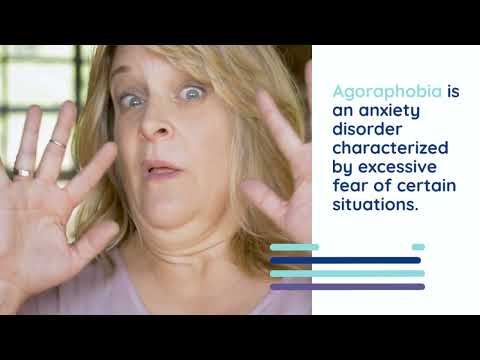
Agoraphobia is primarily about fear and avoidance of situations where escape might be difficult or help unavailable. Imagine feeling trapped, standing in a crowded mall, and suddenly you’re hit with this sense of panic. You might worry about having a panic attack or feeling helpless if something went wrong. So, to avoid that anxiety, you might start steering clear of crowded places, public transport, or even leaving your house altogether.
On the flip side, specific phobia is more focused on an intense fear of a specific object or situation. Picture someone who can’t walk near dogs because they’re terrified of them. It’s not that they’re afraid of being in a crowd; it’s just that dogs send them into an absolute tailspin! This fear is often out of proportion to the actual danger posed by the object or situation.
- Duration: To fall under either category, these fears have to last for at least six months. But for agoraphobia, it usually means avoiding multiple situations.
- Impact on life: Agoraphobia tends to have broader implications. It can limit daily activities significantly because it often leads to extensive avoidance behavior.
- Coping mechanisms: People with specific phobias related to things like heights or spiders might develop strategies for coping when faced with those fears; agoraphobics may create safe zones—like only going out with someone else.
The emotional weight here is crucial! Think about someone who once loved hiking but now refuses because they fear encountering certain animals—this person misses out on experiences they once enjoyed because their world has shrunk due to that phobia.
The legal implications? Well, if you think about things like employment or housing situations, understanding these distinctions becomes important. Agoraphobia might impact someone’s ability to commute for work regularly, which could lead employers to question attendance or reliability. In contrast, specific phobias may not affect someone’s job performance directly but could still create challenges in social settings.
If you’re curious how either condition plays out legally—for instance, in housing discrimination cases—those suffering from agoraphobia may be regarded differently than those with specific phobias since their ability to manage everyday tasks could appear more impaired.
In summary, both agoraphobia and specific phobias are serious concerns and deserve attention. They shape how people experience the world around them but come from different roots and manifest uniquely in daily life!
You know, phobias can really mess with your life. I mean, having a fear of heights so strong that you can’t even look out a window without feeling dizzy? That’s tough. I remember a friend who would freak out just seeing a spider on TV. Like, seriously, she’d jump up and scream. It was intense.
So, what is it about specific phobias that makes them so powerful? Basically, it’s all about how your brain processes fear and anxiety. When you have a phobia, your brain kinda goes into overdrive. It’s like the alarm system is set way too sensitive. You might be walking down the street, and suddenly see something that triggers your fear—maybe it’s a dog if you’re afraid of them—and bam! Your heart races, palms sweat—you get it.
The psychological angle here is intriguing because overcoming these fears isn’t just about “getting over it.” It often involves understanding why that fear exists in the first place. Maybe something happened in childhood that caused you to react this way? Or perhaps it’s all about learned behavior from those around you?
One thing people often don’t realize is how common specific phobias are. It’s estimated that nearly 1 in 10 people deal with some form of it! That might make you think twice when someone talks about their own fears—like maybe they’re not alone in this struggle.
Now, tackling these phobias requires some brave work—like facing what scares you gradually, which is known as exposure therapy. Imagine slowly getting used to being around spiders by seeing pictures first, then videos, then eventually being comfortable sitting near one in real life. Sounds daunting but also kinda empowering when you think about it!
And let’s not forget how support from friends or family can help too. Just having someone there can ease the journey through those scary moments. Sometimes we underestimate just how much a little encouragement can do.
At the end of the day, overcoming specific phobias isn’t just about conquering fears; it’s more about growth and resilience. Each little step taken is like saying “Hey world! I’m willing to challenge myself.” And trust me, that’s pretty incredible when you really think about it!