You know those days when you just feel like two different people? One minute you’re happy, and the next, you’re down in the dumps. It’s weird, right?
Well, it’s actually more common than you think. The duality of self can pop up in all sorts of ways. Sometimes it’s just mood swings. Other times, though, it can be something deeper.
Have you ever felt like there’s this other voice inside your head? Like part of you wants to do one thing while the other is totally against it? Yup, that’s what I’m talking about!
It might sound a bit intense or even scary at times. But understanding these split personality symptoms can help us make sense of what’s going on. So let’s break it down together!
Understanding Split Personality Disorder: Definition, Symptoms, and Treatment Options
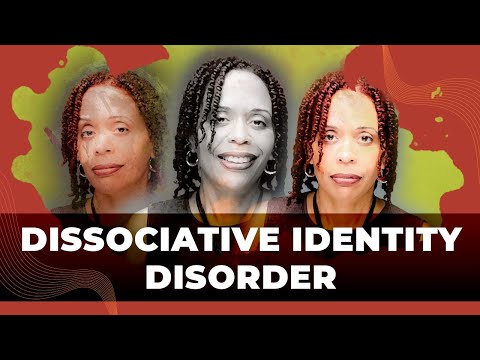
Let’s talk about something that gets tossed around a lot: Split Personality Disorder, or, as it’s technically known, Dissociative Identity Disorder (DID). It’s one of those terms that’s often misunderstood, and honestly, a lot of myths surround it. So, here’s the scoop.
What is Dissociative Identity Disorder? Basically, DID is a mental health condition where someone has two or more distinct personalities or identities. These identities can have their own names, ages, histories, and characteristics. Each personality might even behave differently. Imagine being at a party and suddenly forgetting who you are or what you were doing—yeah, it’s like that but on a completely different level.
The term «split personality» can sound pretty dramatic. But it really reflects the idea of a person feeling fragmented inside. Instead of just switches in mood or behavior, there are these separate selves that might not fully communicate with one another.
Symptoms can be tricky too. Here are some classic signs to watch out for:
- Amnesia: Memory gaps where someone cannot recall personal information or events.
- Dissociation: A feeling of being disconnected from oneself; like watching your life as if it’s a movie.
- Identity Confusion: Uncertainty about oneself and one’s role in life – you might feel like you’re playing different parts in different situations.
- Diverse Personalities: Having two or more distinct identities that control one’s behavior at different times.
The thing is, folks with DID might not even realize they have these other personalities until something triggers them to emerge. They could be fragments from traumatic experiences—often from childhood—that the mind creates as coping mechanisms to deal with overwhelming stress.
You know how when you’re stressed out, you kind of zone out? Like when you’re binge-watching your favorite show and suddenly realize you’ve been staring at the screen for hours? Well, imagine that happening because your mind is trying to protect you from painful memories instead of just taking a break.
Treatment options for DID generally focus on integrating those separate identities into one cohesive self while addressing past trauma. Here are some common approaches:
- Cognitive Behavioral Therapy (CBT): This helps people recognize harmful thought patterns and replace them with healthier ones.
- Psychotherapy: A therapist helps explore past experiences that contributed to the disorder and works through them in a safe space.
- Mediation Techniques: Like mindfulness practices can help ground individuals in the present moment rather than getting lost in dissociation.
You might wonder how effective these treatments are. Well, results really vary by individual—some folks find huge relief while others may take longer to see progress. It requires patience and trust in the process!
DID isn’t super well understood even broadly within mental health circles. But awareness is growing all the time! It’s crucial to approach this topic with empathy rather than judgment because individuals living with DID have often been through some intense stuff already!
Your mind’s way of protecting itself can seem bewildering from outside looking in, but remember: it’s all about survival mechanisms at play! So next time you hear “split personality,” keep all this insight tucked away; understanding goes a long way!
Understanding the Symptoms of Dual Personality Disorder: A Comprehensive Guide
Understanding the Symptoms of Dual Personality Disorder
Dual Personality Disorder, commonly known as Dissociative Identity Disorder (DID), involves the presence of two or more distinct personality states within a single individual. This situation can be quite complicated and sometimes unsettling. So, let’s break this down in a way that makes sense.
What Are the Main Symptoms?
It’s not just about having mood swings or being moody. The symptoms can be much deeper and vary from person to person. Here are some of the key signs to look out for:
- Altered Identity: You might notice that someone has different identities or «alters.» Each alter has its own name, age, history, and characteristics.
- Dissociation: This is when someone feels disconnected from themselves or their surroundings. Picture this: You’re driving but can’t remember how you got home. That’s dissociation.
- Memory Gaps: Did you ever find yourself forgetting chunks of time? It could involve forgetting important events, personal information, or everyday activities.
- Significant Distress: The symptoms often cause notable stress in relationships and daily functioning. For example, imagine struggling to keep a job because your alters keep showing up unexpectedly.
- Sensory Experiences: People might experience auditory hallucinations or feel like they’re seeing things that aren’t there. It could be voices telling them what to do or memories popping up suddenly.
Anecdote Time
Imagine Jane—a bright woman who often felt like she was living in a fog. One day at work, she had no recollection of a meeting she attended just hours before! Colleagues mentioned her behaving differently during that time; it was like she transformed into another person. This left her feeling lost and confused.
The Triggers
Certain situations can trigger these symptoms. Stressful life events like trauma or abuse often play a significant role. If someone has experienced severe trauma during their formative years, it might set the stage for DID later on.
The Importance of Recognition
Recognizing these symptoms early on is crucial for managing DID effectively. A lot of folks live with this disorder without realizing it because society often views them as simply “quirky” or “eccentric.” Understanding what’s going on internally can lead to better self-awareness.
In summary, Dual Personality Disorder isn’t just about being two-faced; it’s a complex blend of different identities coexisting within one individual—a blend that requires compassion and understanding from those around them. Everyone’s experience with DID is unique—what one person feels may differ greatly from another’s perspective.
So remember: if you notice these signs in yourself or someone else, seeking knowledge and support can make all the difference!
Understanding Awareness in Multiple Personality Disorder: Do Individuals Recognize Their Condition?
When we talk about Multiple Personality Disorder, or what’s now called Dissociative Identity Disorder (DID), it’s a topic that can really mess with your mind. One of the biggest questions is whether people actually recognize they have this condition. Let’s break it down.
The Basics
First off, DID is characterized by the presence of two or more distinct personalities or identities within a single individual. Each one might have its own name, history, and characteristics. It’s like being in a movie where different characters take over the same role.
However, awareness of these different identities can vary greatly from person to person. Some folks are completely unaware of their other personalities. It’s like having parts of yourself that you don’t even know exist!
Awareness Levels
Here’s where it gets interesting. The level of awareness can show up in different ways:
- Complete Unawareness: Some people might never realize they have DID until therapy or some significant event forces them to face it.
- Partial Awareness: Others may sense that they «black out» during certain times or feel as if they’re losing time but aren’t quite sure why.
- Full Awareness: A few individuals actually know about all their alters and may even be able to communicate with them.
It’s fascinating how varied this experience can be! Imagine living your life and sometimes feeling like a stranger in your own body—that’s real for many.
The Role of Trauma
Most cases of DID link back to severe trauma during early childhood, usually extreme neglect or abuse. This trauma often leads to dissociation as a coping mechanism, allowing someone to escape reality momentarily. For many, each personality emerges as a way to handle stressors differently.
So, think about it: if someone creates distinct identities as a survival strategy, recognizing them can be quite tricky. It’s almost like trying to find pieces of yourself that you’ve hidden away due to pain.
Communication Among Identities
One big factor affecting awareness is how well the identities communicate with each other—or lack thereof! If one personality knows what’s happening while another is clueless, confusion reigns supreme! Picture siblings living in the same house but never talking; each has their own world going on.
In some cases, people report hearing voices from their other selves or even experiencing flashbacks that help connect everything together over time. But for others? Absolute silence between alters can make recognition nearly impossible.
The Journey Towards Recognition
For individuals who do come to terms with their condition—often aided through therapy—the journey towards understanding what DID means for them can lead to greater self-awareness and integration of their multiple identities into one harmonious self.
Well, sometimes people still struggle after recognizing they have DID; integrating those parts isn’t an easy process! It’s not just flipping a switch—it takes time and patience.
In short? Yes, some individuals do recognize their condition while others remain unaware for years. The complexity around identity and trauma makes this an area ripe for exploration and understanding!
So there you go! Navigating the intricacies of awareness in Dissociative Identity Disorder sheds light on what’s happening behind closed doors when it comes to our minds—wild stuff for sure!
You know, the idea of having a “split personality or what people often call dissociative identity disorder, brings a lot of images to mind. It’s like those movies where one character is all sweet and loving, while the other is this raging monster – you get me? But in reality, it’s not so black and white. Duality of self can be much more nuanced and complex.
Think about it. We all have different sides to our personalities. Maybe you’re the fun-loving friend who cracks jokes all night, but when you’re at work, you flip into this super serious mode. It’s not that you’re faking it; it’s just how our minds adapt to different situations. Like last week, I was out with some buddies, laughing and being goofy. But then I had a tough discussion with my boss the next day and felt this serious vibe take over me. Completely different selves for different occasions.
But there are those times when these shifts feel overwhelming or cause confusion. You might suddenly find yourself acting in ways that don’t feel quite right—like one part of you is shouting “Let’s party! while another part wants to curl up with a book in complete silence. And it’s not just moods changing; sometimes it feels like two completely separate people are fighting for control in your mind.
A friend of mine once opened up about feeling strangely detached from her own emotions during stressful moments. She described it as though she were watching herself from afar—like she was a spectator in her own life. That sense of disconnect can be frightening! And while we often think of split personalities as something dramatic, many people experience milder forms of this duality without even realizing it.
Recognizing these symptoms can be liberating, though—like shedding light on an area we’ve left dark for too long. Understanding that it’s okay to have these various layers means embracing all parts of yourself rather than pushing them away. It’s messy and complicated but also totally human.
The important thing here isn’t to label or stigmatize these experiences but rather acknowledge them as facets of who we are—different responses to our environment or experiences that shaped us along the way. So if you ever find yourself questioning those conflicting feelings within you? Just know that you’re not alone in navigating this wild spectrum we call “self.