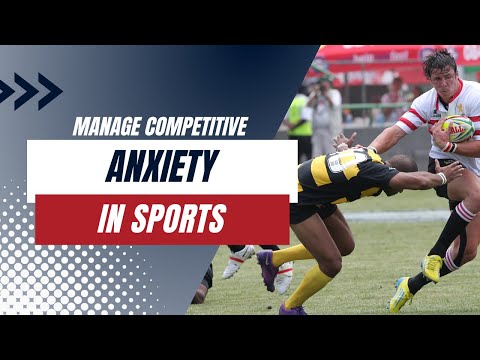
You know that feeling when you’re about to step onto the field or hit the court? Your heart races, palms sweat, and everything feels like too much. Yep, that’s sports anxiety.
It can hit anyone—whether you’re a weekend warrior or going for gold in the Olympics. Seriously, it’s more common than you think.
But here’s the kicker: understanding and managing it doesn’t take a miracle. Just a bit of insight into how your brain works can change the game.
So let’s chat about what goes on in those moments of panic and how you can chill out when it matters most. Sound good?
Understanding Anxiety in Sports: A Comprehensive PDF Guide on Psychological Strategies and Solutions
Anxiety in sports is a pretty common experience. Whether you’re a seasoned athlete or just someone playing in a weekend league, those butterflies in your stomach can be all too real. You might feel your heart racing or your palms sweating before a big game. It’s totally normal, but understanding it can really help you keep it under control.
So, what is this anxiety thing? Well, it’s basically that body’s way of saying, “Hey! Something important is happening!” Performance anxiety comes when the pressure to perform well starts messing with your focus and confidence. Imagine standing at the free-throw line, and instead of concentrating on scoring, all you can think about is missing and how everyone will react. Yikes!
Here’s where psychology steps in to help. There are several strategies you can use to manage anxiety effectively:
- Breathing Techniques: When you’re feeling anxious, your breath gets shallow. Try taking deep breaths—count to four as you inhale, hold for four, then exhale slowly for four counts. This calms the nervous system.
- Visualization: Picture yourself succeeding before the event even starts. If you’re swinging a racket or kicking a ball, see yourself doing it perfectly in your mind first.
- Positive Self-Talk: Replace negative thoughts with positive affirmations. Instead of “I’m going to mess this up,” tell yourself “I’ve trained hard, I’m ready for this.”
- Focus on Process over Outcome: Concentrate on what you can control—your effort and technique—rather than fixating on the result of winning or losing.
Let’s dig into that whole process vs outcome thing for a sec. Think about an athlete who focuses solely on winning. This kind of pressure can create more anxiety! But if they shift their attention to how they’ll execute each move (like their form or timing), they feel more in control.
Also, consider the role of routine. A consistent pre-game routine can ground you and signal to your brain that it’s time to focus. Maybe it’s listening to music, doing stretches, or even having a favorite snack before heading onto the field.
But hey, sometimes anxiety isn’t just something we deal with before events; it can linger long after too—especially if things don’t go as planned. If an athlete experiences repeated failures or high-pressure situations without any coping strategies in place, these feelings could turn into longer-lasting anxiety.
Now here’s where support comes in: talking about feelings with teammates or coaches can really lighten the load! You’re not alone in this; every athlete has faced some kind of nerves at one time or another.
In summary? Anxiety around sports isn’t just an obstacle—it could be an opportunity for growth! Learning how to manage it through psychological techniques empowers athletes to perform better and enjoy their sport more fully. So next time those nerves kick in? Remember: you’ve got tools at your disposal! With practice and awareness, you’ll handle those jitters like a pro!
Effective Strategies for Managing Sports Anxiety: A Psychological Perspective
Sports anxiety can hit hard, whether you’re gearing up for a big game or just trying to do your best in practice. It’s that feeling of butterflies in your stomach, racing thoughts, or even panic when the stakes feel high. But guess what? You’re definitely not alone in this. Many athletes, from weekend warriors to Olympians, experience it. So, let’s break down some effective strategies to manage it.
1. Breathing Techniques
One solid way to calm those nerves is through deep breathing exercises. You know how it feels when things go haywire? Just taking a moment to breathe deeply can help clear your mind. Try inhaling for four seconds, holding for four, and then exhaling for six. Repeat a few times; it’ll feel like hitting the reset button on your brain.
2. Visualization
This isn’t just about daydreaming! Visualization is a powerful tool where you picture yourself performing successfully in your sport. Imagine everything from how you’ll move on the field or court to the cheers from fans after nailing that perfect shot. This mental rehearsal builds confidence and helps ease anxiety.
3. Positive Self-Talk
What you tell yourself matters! Instead of focusing on “What if I mess up?”, switch it around to “I’ve practiced hard and I’m ready.” Your inner voice can be your best friend or worst enemy. Use positive affirmations before competitions; remind yourself of past successes!
4. Mindfulness and Relaxation
Mindfulness practices, like meditation or yoga, can also help ground you when anxiety strikes. These techniques encourage you to stay present instead of getting lost in worries about performance. Even just five minutes of mindfulness before a game can help center your thoughts and ease tension.
5. Preparation and Routine
A structured routine leading up to an event provides a sense of control which reduces anxiety levels considerably. Stick with what works for you whether that’s listening to specific songs or following certain warm-up drills—it creates familiarity that calms the nerves.
Anecdote Time!
A friend of mine once shared how he dealt with crazy pre-game jitters before basketball matches in college. He started using deep breathing techniques right before tip-off and would visualize sinking every shot he took during warm-ups—guess what? His confidence soared! He even became known as the clutch player who thrived under pressure.
6. Seeking Support
You don’t have to figure this out alone! Sharing feelings with teammates, coaches, or mentors can seriously lighten the load. Sometimes just knowing that others understand what you’re going through makes a huge difference.
You might still feel anxious now and then—that’s normal! But by employing these strategies, you’ll likely notice an improvement over time in how you handle those nerves while pursuing your passion for sports.
Understanding Performance Anxiety in Famous Athletes: Inspiring Stories and Strategies
Performance anxiety is a real struggle for many athletes, especially those in the spotlight. You might think, “Hey, they’re pros! They should have it all together.” But let’s be real—fame can add a whole new layer of pressure. So, what’s going on in the minds of these athletes when they’re about to compete? And how do they manage that anxiety?
First off, it’s important to know that performance anxiety is that gut-wrenching feeling you get before stepping onto the field or stage. It’s like butterflies multiplied by a thousand! For athletes, this can mean shaky hands, racing thoughts, and sometimes even freezing up at crucial moments. Famous athletes are not immune to this; they often feel the heat even more because everyone’s watching.
Look at someone like Michael Phelps. His story is particularly inspiring—he’s one of the most decorated Olympians ever but has gone public about his own struggles with anxiety. Before big races, he experienced intense pressure that could overwhelm him. Phelps dealt with his nerves through visualization techniques and routines that brought him back to calmness when it mattered most.
Another example is Serena Williams. She’s known for her incredible performances on the tennis court but has faced anxiety as well. During tournaments, she often deals with self-doubt and fear of letting fans down. To handle these feelings, she practices mindfulness and focuses on her breathing during matches. It helps her stay present rather than getting lost in what’s at stake.
Now, let’s talk about some strategies that those famous athletes use which you might find relatable:
- Visualization: Athletes picture themselves succeeding before they even step onto the court or field.
- Deep Breathing: Focusing on slow breaths can help calm racing thoughts and bring relaxation.
- Routine Building: Having a set routine helps create a sense of normalcy amidst chaos.
- Positive Self-talk: Encouraging themselves instead of feeding negative thoughts can shift their mindset.
But here’s the deal: managing performance anxiety isn’t just for professional stars; it hits regular folks too! Whether you’re giving a presentation at work or competing in your local sports league, those same nerves can pop up.
Let’s say you’re getting ready for a big game or event. You might feel like everyone around is judging your every move—classic performance anxiety stuff! What helps is realizing you’re not alone in this feeling. Just like Phelps or Williams face their challenges head-on; you can develop your own game plan too.
In short, understanding performance anxiety involves recognizing it as a common experience rather than something unique to top-level athletes. It means knowing there are effective ways to manage it through various techniques they apply:
- Acknowledgment: Recognize that these feelings are totally normal.
- Coping Skills: Implement strategies like visualization and breathing exercises.
- Seek Support: Talk about your feelings; whether it’s friends or professionals.
Ultimately, remember that everyone faces some level of pressure—that includes the icons we admire in sports! They teach us resilience and remind us how important mental strength is in overcoming our fears and doubts in whatever we do.
You know, feeling anxious before a big game isn’t just you. It’s super common. Whether you’re a pro athlete or just playing for fun, that little knot in your stomach or the rapid heartbeat can really mess with your head. Thinking back to my friend Jake, he played college soccer and would get so nervous before matches. He’d pace back and forth like a caged animal right before the whistle blew. It’s wild how your mind can go all over the place.
So, what is sports anxiety? Basically, it’s that feeling of fear or worry about performing well—like the pressure to win or even just not screw up in front of everyone. It’s all in your head, but man, does it feel real! You might worry about letting down teammates or not meeting your own expectations. It can be hard to shake off those feelings when they’re circling around like vultures.
From a psychological point of view, it’s fascinating how our brains work during these moments. When you’re anxious, the body goes into fight-or-flight mode, releasing adrenaline and other hormones. This can make you feel pumped up but can also lead to shaky hands and foggy thinking when you need focus the most.
Some folks find that breathing techniques really help calm their minds down. Like taking slow breaths—imagine inflating a balloon gently—that sort of thing. Also, visualization can be super powerful; picturing yourself scoring that goal or hitting that perfect shot can shift your mindset from dread to confidence. A few seconds spent mentally rehearsing success might give you the edge you need.
Not everyone manages anxiety the same way, though! Some athletes thrive on intensity; they harness that pressure into performance fuel while others crumble under it. It’s like finding that sweet spot where you’re pushed but not overwhelmed.
In Jake’s case, he found talking about his feelings with teammates helped ease some of that anxiety too. Sharing those worries made him realize he wasn’t alone in feeling jittery before games—and often his friends were right there with him battling those nerves too!
So yeah, managing sports anxiety is all about finding what works for you—be it deep breaths, motivational pep talks from friends, or zoning out distractions before the big moment arrives. It’s okay to feel nervous; acknowledging those feelings is half the battle won!