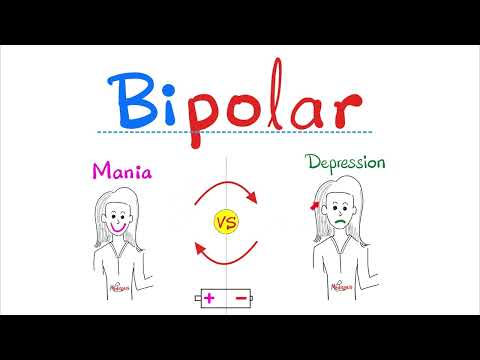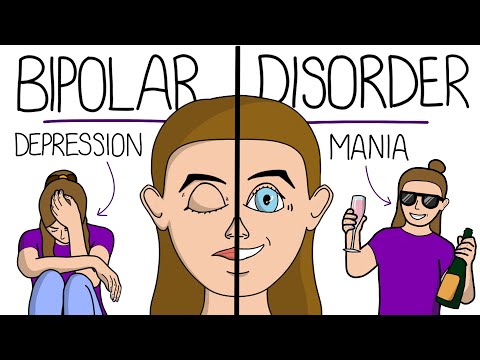
You know Stephen Fry, right? The witty, charming guy who seems to light up every room he walks into? Well, what you might not know is that he’s been open about his battle with bipolar disorder. Yeah, I mean, it’s wild!
Imagine having this mind that can create brilliant ideas but also drag you down into a dark pit of despair. That’s what Fry experiences. It’s like riding a rollercoaster with no seatbelt!
His journey isn’t just about the struggles, though. There are lessons and insights sprinkled throughout that can change how we think about mental health. You follow me?
Let’s take a stroll through his story and see what we can learn from it. It might just give you a new perspective on the ups and downs of life!
Exploring Mental Health: Stephen Fry’s Journey with Manic Depression
Stephen Fry is one of those fascinating figures who really brings the conversation about mental health to life. His journey with manic depression, more commonly known as bipolar disorder, offers a window into the highs and lows that come with the condition. Let’s explore that, shall we?
Fry was first diagnosed with bipolar disorder in his 20s, but this wasn’t just a quick label. It took years of experiencing intense mood swings—shifting from deep depression to manic episodes where he felt invincible and full of energy. You know, like when you’ve had too much coffee but multiplied by a thousand!
During manic phases, he’d engage in wild adventures and creative bursts. He described feeling like he could conquer the world. But then there’s the flip side: those devastating lows where simple tasks felt monumental. Can you imagine being on top of the world one day and then struggling to get out of bed the next? It’s seriously tough stuff.
Fry has spoken openly about his experiences, which really sheds light on how bipolar disorder works. It’s not just a mood swing; it’s more like a rollercoaster ride that can be hard to get off. He talked about feeling incredible pressure during his manic episodes, often leading to risky behaviors and decisions—like spending money he didn’t have or saying things he regretted later on.
In his documentary “Stephen Fry: The Secret Life of the Manic Depressive,” he sought to share what living with this condition looks like, hoping to reduce stigma around mental health. It’s so important because many people still think mental illnesses are something to be ashamed of or hidden away.
Despite all these challenges, Fry has managed to create a successful career in acting and writing. But it hasn’t been without its bumps along the way. He once attempted suicide during a particularly dark moment—an experience that highlights just how serious and precarious bipolar disorder can be.
But here’s where it gets hopeful: Fry’s journey shows us resilience! He emphasizes that understanding oneself and seeking help can make a huge difference. Therapy? Medication? Support from friends? All valid approaches that play key roles in managing bipolar disorder.
So if you’re curious about mental health or know someone navigating similar challenges, Fry’s story is definitely worth looking into. Seeing someone articulate their struggles openly helps take away some of the fear surrounding these issues.
To sum up:
- Highs and Lows: The extreme fluctuations between mania and depression.
- Open Conversations: Fry’s willingness to discuss mental health encourages others.
- Resilience: His journey underscores hope, showing recovery is possible.
In short, Stephen Fry’s experiences with bipolar disorder reflect both struggle and triumph—a reminder that even when things seem bleak, there’s always room for hope and recovery down the line!
Where to Watch Stephen Fry: The Secret Life of the Manic Depressive – Complete Streaming Guide
So, here’s the scoop on Stephen Fry: The Secret Life of the Manic Depressive. This documentary is super insightful, offering a raw look at Fry’s personal experience with bipolar disorder. It’s not just about him; it dives into the broader topic of mental health, exploring what it’s like to live with such a condition. If you’re curious about where to watch it, read on!
First off, this documentary originally aired back in 2006 and is often praised for its candid approach. Fry opens up about his own struggles and invites others to share their stories as well, which makes it really relatable and informative.
If you want to check it out online, here are a few options:
- YouTube: Some clips or maybe even full episodes pop up from time to time. It can be hit or miss, but worth a search.
- Amazon Prime Video: This is a solid choice! You can usually rent or purchase the documentary there. Just search for the title on their platform.
- Google Play Movies: Like Amazon, you might find options to either buy or rent it there. Super easy if you have an Android device!
- Tubi TV: This free streaming platform sometimes has episodes available. Ads may pop up though, but hey, it’s free!
- BBC iPlayer: If you’re in the UK or have access to this service, there’s a chance you could stream it directly from there.
If you’re ready for something poignant that tackles issues around mental health head-on, this doc has got your name written all over it! It doesn’t shy away from the tough stuff—Fry honestly discusses his highs and lows with humor and vulnerability.
This isn’t just entertainment; it’s like having a heart-to-heart about something real that affects so many people out there. Watching Fried talk about his journey can remind you that you’re not alone if you’re dealing with similar feelings or experiences.
And remember: understanding mental health is crucial in breaking down stigma and promoting compassion for ourselves and others. So grab some popcorn (or whatever snack you like) and dive into Stephen Fry’s story! You’ll walk away feeling more connected to those going through similar challenges.
Exploring Stephen Fry’s ‘The Secret Life of the Manic Depressive’ Videos: Insights on Mental Health and Awareness
Stephen Fry’s exploration of bipolar disorder in his documentary series «The Secret Life of the Manic Depressive» is a profound look at mental health. Fry, being both a public figure and someone who has lived with bipolar disorder, brings a unique perspective that resonates with many.
What is Bipolar Disorder? It’s a mental health condition characterized by extreme mood swings. These can range from manic highs—where you feel invincible and full of energy—to depressive lows, where even getting out of bed feels impossible. And Fry does an excellent job showcasing these experiences in his videos.
In the series, you get to see how he navigates this complex landscape. For instance, during manic episodes, he talks about feeling incredibly creative and productive, like he can conquer the world. But then the inevitable crash comes. The dark days can be incredibly isolating and painful—something many people struggling with bipolar disorder know too well.
One key insight that Fry highlights is the stigma surrounding mental illness. He bravely opens up about his own experiences and challenges societal views on bipolar disorder. This helps to humanize the condition and reminds us that it’s more common than we think. Mental health issues simply don’t discriminate based on fame or fortune.
Another amazing point he touches on is treatment options. From medication to therapy, Fry dives into what works for him and others in their journeys. He emphasizes that it often takes time to find the right combination of treatments—a process filled with trial and error.
Fry’s candidness also sheds light on how supportive relationships play a critical role in managing bipolar disorder. It’s powerful when he shares stories about friends who stood by him during tough times—showing how important it is to have a solid support system.
Furthermore, it isn’t just about individual experiences; it’s also about raising awareness for everyone else out there. His work encourages open conversations around mental health issues which can help break down barriers and promote understanding among those who may not have firsthand knowledge.
In short, Stephen Fry’s videos serve as both education and inspiration for anyone grappling with mental health challenges or trying to support someone who is. They remind us that we’re not alone in our struggles—and maybe together we can make sense of it all one step at a time.
So really, whether you’re living with bipolar disorder or just want to understand more about it, Fry’s journey offers valuable insights into the complexities of mental health—and that’s pretty impactful!
Stephen Fry’s journey with bipolar disorder is like this really raw and honest look at mental health. He’s not just a brilliant actor and writer; he’s also someone who’s faced some pretty serious ups and downs in life. Listening to him talk about his struggles can feel both relatable and inspiring.
You know how life sometimes feels like a rollercoaster? Euphoria one moment, crashing down into despair the next? That’s classic bipolar behavior. Fry describes those manic highs—when he feels invincible, full of ideas, and as if he can take on the world. It sounds almost like being on top of a mountain where everything seems possible! But then comes the low, when depression hits hard. He talks about feeling like there’s this heavy weight pressing down on him, and the way he expresses that struggle is so poignant.
One time, I remember reading an interview where he mentioned how during those highs, he could write for hours without stopping, but when that darkness came creeping in, even getting out of bed felt monumental. I think we’ve all had days where just doing a simple task seems impossible. It makes you realize how mentally draining it can be when your mind plays tricks on you.
Fry’s candidness about his experiences also shines a light on the importance of understanding mental health in general. Sometimes folks don’t get what people with bipolar disorder go through—it isn’t just “being moody.” It’s about living with a condition that affects every aspect of life, relationships included! Fry has used his platform to advocate for mental health awareness, which is super important because it helps break down the stigma surrounding psychological issues.
And hey, it’s not all doom and gloom! His resilience is something to admire. He embraces therapy and medication as part of his life journey—not as crutches but as tools that help him navigate through his challenges better. It reminds us that seeking help isn’t a sign of weakness; it actually takes loads of strength to confront what we’re going through!
At the end of the day, Stephen Fry’s story isn’t just about bipolar disorder; it’s about humanity itself—the messy bits, the beautiful moments, and everything in between. His honesty encourages many people to open up about their own struggles or at least feel less alone in their experiences. And that’s something pretty powerful for anyone navigating their own rollercoaster ride!