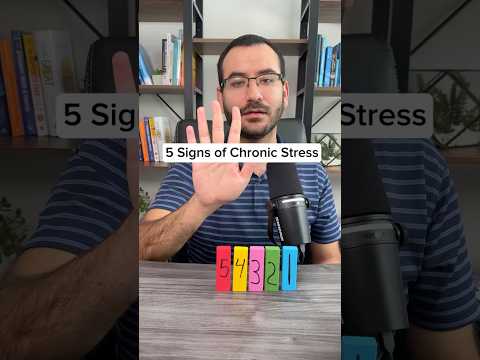
You know that feeling when you’re just exhausted? Like, you’ve been running on empty for way too long?
Yeah, that’s stress and fatigue playing their sneaky games. They creep in, and before you know it, they’re calling the shots.
It’s wild how much we juggle these days—work, life, responsibilities—and somehow we keep pushing through. But at what cost?
Sometimes it feels like our brains become this foggy mess. You just want to hit pause and catch a break. But let’s be real: it’s not always that easy.
So, how do we untangle this web of mental exhaustion?
Understanding the Symptoms of Mental Exhaustion: Signs You Shouldn’t Ignore
Mental exhaustion is one of those things that can really sneak up on you, like that friend who shows up uninvited to your dinner party. One moment you’re cruising along, and the next, you feel like you’ve run a marathon in your mind. It’s not just about being tired; it’s about that heavy weight dragging you down emotionally and mentally. So let’s break it down.
What is Mental Exhaustion?
Essentially, mental exhaustion comes from prolonged stress, whether it’s work pressures, personal issues, or just life in general piling up. You know when you’ve binge-watched a series for hours? It can feel fun at first, but eventually? You’re left feeling drained and a bit empty. That’s kind of what mental exhaustion feels like—like you’ve hit the wall after too much mental juggling.
Signs You Shouldn’t Ignore
If you’re feeling off, there are some signs you absolutely shouldn’t brush aside:
- Constant Fatigue: Not just sleepy but an overwhelming exhaustion that doesn’t go away even after a good night’s sleep.
- Lack of Motivation: Everything feels like a chore. Even things you usually enjoy seem like a drag.
- Cognitive Struggles: Forgetfulness or trouble concentrating can become your new normal—a sign your brain’s in overdrive.
- Irritability: Small annoyances turn into big deals. You find yourself snapping at people for trivial reasons.
- Sleeplessness: Ironically, while you’re exhausted, sleep becomes elusive. Nighttime might hit with racing thoughts.
Let me tell ya—when I was in college, I once pulled all-nighters studying for finals. After days of cramming and zero sleep, I could hardly remember my own name! That’s how mental exhaustion can mess with your head.
The Mental Toll
Navigating through mental fatigue is no walk in the park. If left unchecked, this state can spiral into more serious conditions like anxiety or depression. Imagine trying to carry a heavy backpack: at first it’s manageable but eventually it makes every step feel laborious.
It’s essential to recognize these signs and give yourself permission to take breaks! Seriously—whether it’s logging off social media for a bit or just spending some time outside breathing fresh air.
A Final Note
So yeah, if any of these symptoms resonate with you or make you think twice about how you’re feeling lately, don’t ignore them! A little self-care goes a long way toward lifting that fog of mental fatigue. Life’s tough enough without adding burnout to the mix!
10 Effective Strategies for Managing Stress and Enhancing Well-Being
Managing stress can feel like a never-ending battle, right? It’s easy to get caught up in the chaos of daily life—work, relationships, and that never-ending to-do list. But finding effective ways to handle stress is super important for your overall well-being. Here are some strategies that can help you navigate the mental toll of stress and fatigue.
1. Deep Breathing Techniques
Breathing might seem basic, but it’s a powerful tool. When you take slow, deep breaths, your body gets a signal to calm down. Try inhaling for four counts, holding for four, and exhaling for six. Doing this just a few times can change your mood.
2. Regular Physical Activity
This one’s huge! Exercise releases endorphins—those lovely “feel-good” hormones. You don’t have to run marathons; even a brisk walk or a dance party in your living room counts! Once I got into jogging with friends, it not only boosted my mood but strengthened my friendships too.
3. Mindfulness and Meditation
Mindfulness is like training your brain to be present. Just sit quietly and focus on your thoughts or breath for 5-10 minutes daily. It sounds simple but trust me; it helps clear the mental clutter that stresses you out.
4. Social Connections
Spending time with loved ones can lift your spirits more than you realize. Seriously! Sharing what’s on your mind or just hanging out can reduce feelings of isolation which often accompany stress.
5. Time Management
Feeling overwhelmed often comes from feeling rushed or disorganized. Break tasks into smaller steps and prioritize them—you’ll be amazed at how much lighter you feel when everything doesn’t seem so daunting.
6. Healthy Eating Habits
What you eat affects how you feel! Nourishing foods help boost not just physical health but mental wellness too! Think fruits, veggies, whole grains—stuff that fuels both body & mind.
7. Setting Boundaries
Sometimes saying “no” is the best way to protect your peace of mind. If you’ve got too much on your plate, it’s okay to decline additional responsibilities until you feel more balanced.
8. Quality Sleep
Sleep isn’t just about rest; it’s critical for emotional regulation too! Create a bedtime routine—like reading or listening to calming music—to signal to your body that it’s time to unwind.
9. Limit Screen Time
Constant notifications and social media scrolls can drain energy fast! Set boundaries around tech use, especially before bed—it helps clear the brain fog which often leads to stress.
10. Professional Support
Sometimes talking things out with someone trained can make all the difference—a therapist or counselor can provide new perspectives and coping strategies when stress feels overwhelming.
So there you go! Give these strategies a shot—see which resonate with you the most because managing stress is personal; what works wonders for someone else might be different for you! Remember: it’s about finding what brings comfort amidst life’s craziness.
Effective Strategies for Rapid Stress Relief: Quick Tips for a Calmer Mind
Stress can hit you like a ton of bricks, right? One moment you’re cruising through your day, and the next, everything feels overwhelming. Trust me, we’ve all been there. But the good news is that there are some effective strategies to help you find your calm when stress starts creeping in.
First off, let’s talk breathing techniques. You know that feeling when you’re anxious and your breaths become quick and shallow? Yeah, it’s not great. A simple trick is to practice deep breathing. Inhale deeply through your nose for about four counts, hold it for four counts, and then exhale slowly through your mouth for six counts. Repeat this a few times and see how it helps clear the tension.
Meditation is another powerful tool. Even if you’ve never tried it before, just sitting quietly and focusing on your breath for a few minutes can make a huge difference. Imagine you’re in a cozy blanket fort; just chill out in that mental space for a bit! It can help reset your mind and reduce the chaos swirling around in there.
- Movement is key! A brisk walk or even stretching can be super effective at releasing built-up tension. You don’t have to run a marathon—just take 10 minutes to move around.
- Aromatherapy: Essential oils like lavender or chamomile can work wonders too! Just sniffing them or putting them on pulse points might calm down your nerves quicker than you think.
- Disconnecting from tech: If you’ve been glued to a screen all day, take a break! Try stepping away from social media or emails; give yourself some time offline. The constant notifications can pile on the stress without us even realizing it!
Also, remember what worked for me once? I was feeling swamped with schoolwork late into the night when I decided to put my favorite tunes on blast. Dancing around my room totally took my mind off things! It was like I pressed pause on the stress button and turned up the joy instead.
Cognitive reframing can also help shake off that heavy load of stress. This technique encourages you to look at stressful situations from different angles. Instead of thinking «I can’t handle this,” try “I’ll do what I can today; tomorrow is another chance.” It sounds simple but trust me—it changes how you feel!
The last little nugget for today: Gratitude journals. Writing down just three things you’re grateful for each day can shift your focus away from what’s stressing you out toward what’s positively filling your life. Even if it’s as small as enjoying that awesome coffee in the morning!
You see? There are plenty of quick tips at hand when you’re navigating stress and fatigue. Making small changes throughout your day might just lead to more moments of calm whenever life tries to throw you curveballs.
You know, stress and fatigue are like that annoying pair of socks you find in your laundry – they just keep turning up, and honestly, you’d rather not deal with them. Life has a way of piling on the demands, right? Work deadlines, family obligations, even just keeping up with social life can feel like one big game of Jenga. One wrong move, and bam! Everything feels a little shaky.
I once had this week where I thought I could power through everything. I was juggling deadlines at work while trying to be there for my friends. By the end of it, I felt like a deflated balloon. Seriously. Just tired and overwhelmed. I remember sitting on my couch one night, staring blankly at the wall, thinking about how drained I felt. It hit me – stress isn’t just about feeling anxious or restless; it really wears you down mentally and physically.
The thing is, when you’re constantly in that fight-or-flight mode because of stress, your body reacts in ways you might not even realize at first. You might notice you’re more irritable than usual or that little things start to bug you way more than they should. And let’s be real—it’s tough to face everyday challenges when all your energy is spent worrying about what’s next.
Fatigue can be just as sneaky as stress. It creeps in quietly and before you know it, simple tasks feel monumental. You ever have those moments when your brain feels like molasses? All those thoughts just get stuck—and that weighs heavily on your mind too.
But here’s the kicker: Recognizing how these two play off each other is a huge step toward navigating the chaos they create together. Seriously! It’s not always easy, but if you can take a moment to breathe—like literally pause for a second—you can find clarity amidst the noise.
When those feelings creep in on me now, I try hard (and sometimes fail) to practice small acts of self-care: taking breaks during busy days or simply enjoying quiet moments with a good book or music. Little things go a long way when battling stress and fatigue; they remind us that it’s okay to slow down every once in awhile.
So yeah, if you’re ever feeling overwhelmed by stress or fatigue—or both—just remember you’re not alone in this struggle. We all have our own laundry pile of worries to handle! Acknowledging what you’re going through can be tough but worthwhile; give yourself grace as you navigate those ups and downs together with daily life demands.