You know those days when everything feels like it’s piling up? The deadlines, the demands, the chaos—it can be overwhelming.
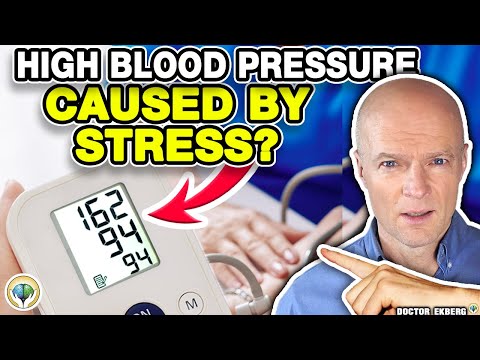
Well, here’s the kicker. Stress doesn’t just mess with your mind; it can actually impact your body, too. You might have heard of hypertension—high blood pressure—which can creep in without you even realizing it.
So, what’s the connection between stress and hypertension? And why does it seem like some people handle stress better than others?
Let’s dig into this together and explore how those pesky psychological triggers could be playing a role in raising your blood pressure.
Understanding the Link Between Psychological Stress and High Blood Pressure: Causes and Implications
Understanding the Link Between Psychological Stress and High Blood Pressure
Let’s talk about stress and its sneaky connection to high blood pressure. You might not think of your emotional state as a big player in your physical health, but the truth is, they’re way more intertwined than you might imagine. So, here’s the deal: when you’re under psychological stress, your body goes into fight-or-flight mode. This means your heart rate speeds up, blood vessels constrict, and—yep—you guessed it—your blood pressure can spike.
So, what are the main causes behind this link?
- Cortisol and adrenaline: When stressed out, your body releases hormones like cortisol and adrenaline. These hormones prepare you to deal with danger, but if they hang around too long because of chronic stress, they can mess with your blood pressure.
- Increased heart rate: Stress causes your heart rate to go up. The harder and faster your heart works, the greater the pressure on those arteries. And over time? That can lead to hypertension.
- Unhealthy coping mechanisms: Sometimes when we’re stressed, we don’t exactly make the best choices—think junk food or skipping exercise. These habits contribute to high blood pressure.
- Lack of relaxation: If you’re constantly stressed out, you might forget how to relax. This makes it even harder for your body to return to a normal state after a stressful event.
Now let’s get real for a sec: not everyone experiences stress in the same way. Some people might be more prone to stress-induced hypertension due to genetic factors or previous health issues. That’s just how it goes!
The implications of this connection can be pretty serious.
When psychological stress leads to consistently high blood pressure, it puts you at risk for some major health problems down the line – think heart disease or stroke. You really don’t want that! Plus, living with elevated blood pressure can be exhausting mentally and emotionally—it’s like carrying around an invisible weight.
Here’s a little story: imagine Sarah, who juggles work deadlines while caring for her aging parents. She often feels overwhelmed and anxious. Over time, she noticed that her head felt tight and her heartbeat was racing all the time—not exactly signs of chill vibes! After a routine check-up revealed elevated blood pressure levels, she realized her daily stress was taking a toll on her body.
It’s important to recognize these patterns because understanding them is half the battle! One way forward could be finding healthier ways to manage that psychological stress. Think mindfulness practices like meditation or yoga—they really help some folks find their zen again.
So yeah! The link between psychological stress and high blood pressure is real and something we shouldn’t ignore. Making changes in how we approach our mental health can have great effects on our physical well-being too!
Understanding Stress-Induced Hypertension: Symptoms, Causes, and Management
Stress-induced hypertension is more common than you might think, and it can sneak up on you during tough times. Basically, when you’re stressed out, your body goes into overdrive. Your heart races, your blood vessels tighten, and voilà—your blood pressure spikes. But let’s break this down a bit.
What is Stress-Induced Hypertension?
This type of hypertension isn’t a permanent condition like regular high blood pressure may be. Instead, it’s a reaction to stressors—things that make you feel pressured or anxious. So when you’re juggling work deadlines or dealing with family drama, it can temporarily raise your blood pressure levels.
Symptoms
You might not even realize you’re dealing with stress-induced hypertension at first. Some common signs include:
- Headaches
- Dizziness
- Nosebleeds
- Shortness of breath
- Anxiety or nervousness
So imagine you’re preparing for a big presentation at work. Your heart starts racing, you feel lightheaded, and that annoying tension creeps into your neck and shoulders. These are all signs that stress is affecting your body—your blood pressure could be climbing as well.
Causes of Stress-Induced Hypertension
Now let’s chat about what triggers this condition in the first place. Lots of things can set off your stress response:
- Work Pressure: Tight deadlines and heavy workloads can create constant anxiety.
- Life Changes: Significant events like moving to a new city or dealing with loss can shake things up.
- Poor Coping Skills: If you don’t have healthy ways to deal with stress, it builds up.
- Lack of Support: Feeling alone in tough situations can amplify stress responses.
For instance, if you’ve just lost a loved one or are going through a breakup without having someone to talk to about it, that pent-up emotion is going to mess with both your mental state and your blood pressure.
Management Strategies
The good news is there are ways to manage this issue! Here are some effective strategies:
- Meditation & Mindfulness: Taking time each day to breathe deeply can really help calm your mind.
- Your Diet Matters: Eating balanced meals rich in fruits and veggies helps keep stress levels down.
- You Should Move!: Regular exercise releases endorphins that improve mood and lower blood pressure.
- Sufficient Sleep: A good night’s rest helps restore both mental clarity and physical health.
Think about taking walks outside when you’re feeling overwhelmed or finding time just for yourself after a stressful day—those little changes add up!
In wrapping this up, remember that while stress-induced hypertension might seem daunting at times, recognizing the triggers is the first step toward feeling better. By managing stress effectively through lifestyle changes and coping strategies, you’re not just helping your blood pressure; you’re enhancing overall well-being too!
“Effective Strategies to Manage Blood Pressure Anxiety and Improve Your Well-Being”
Managing anxiety around blood pressure can feel like trying to hold water in your hands. It slips through your fingers when you’re stressed, right? This kind of anxiety is often linked to stress-induced hypertension, which can be tricky. Let’s break down some effective strategies to tackle that anxiety head-on.
1. Understand Your Triggers
The first step is knowing what gets you all worked up. Maybe it’s crowded places or that outstanding project at work. Identifying these triggers is crucial because it helps you prepare mentally and emotionally. For instance, if a crowded elevator spikes your blood pressure, you could opt for the stairs—an exercise win-win!
2. Deep Breathing Techniques
You’d be surprised how something as simple as breathing can impact your body. When anxious, our breath gets shallow and fast, which isn’t great for our hearts! Practice deep breathing exercises. A classic method is the 4-7-8 technique: inhale for 4 seconds, hold for 7, and exhale slowly over 8 seconds. It calms the nervous system down, helping to take the edge off stress.
3. Mindfulness and Meditation
This one’s all about being present instead of letting your mind race ahead with worries about blood pressure readings or future outcomes. Try simple mindfulness practices like focusing on your surroundings or meditating for a few minutes daily. Just sitting quietly and observing what’s around you can make a world of difference.
4. Regular Physical Activity
You don’t have to become an athlete overnight! Just getting moving—whether it’s walking around the neighborhood or dancing in your living room—can help reduce anxiety levels significantly. Exercise releases endorphins that improve mood and ease stress related to hypertension.
5. Healthy Eating Habits
Your diet can play a big role too! Foods rich in potassium (like bananas and sweet potatoes) can help manage blood pressure while also offering nourishment that fights stress.
- Avoiding excessive salt helps maintain healthy blood pressure levels.
- Nuts and whole grains are amazing options for snacking without guilt!
- Staying hydrated with water keeps you energized and focused.
6. Seek Support from Others
You don’t have to go it alone! Talk about what you’re feeling with friends or family members who understand what you’re going through—it really lifts a weight off your shoulders sometimes just sharing those feelings!
7. Consider Professional Help if Needed
If anxiety feels overwhelming, seeking help from a psychologist might be worth considering—they’re like personal trainers for your mind! They can provide techniques tailored just for you, especially if root issues need addressing.
Coping with blood pressure anxiety doesn’t have to be so daunting! By understanding what’s triggering your stress and utilizing some practical strategies mentioned above, you’ve got some tools at hand that can genuinely improve both your mental well-being and physical health over time.
Stress-induced hypertension is one of those topics that feels like it’s creeping up on a lot of us, right? You know, when life gets busy or overwhelming, and suddenly your blood pressure is doing that wild roller coaster thing? Let’s unpack this a bit.
Think about a time when you were super stressed out—maybe it was finals week back in school or dealing with a tough situation at work. Your heart races, your muscles tense up, and you feel generally on edge. That’s stress kicking in, and it doesn’t just mess with your mood or sleep. It can really spike your blood pressure too.
So, what actually triggers this? Well, stress activates the body’s fight-or-flight response. Basically, your brain senses something threatening—maybe it’s a looming deadline—and boom! Your body goes into high gear releasing cortisol and adrenaline. These hormones are like a turbo boost for your system; they get your heart pumping faster and raise your blood pressure.
It’s interesting to think about how this might play out in everyday life. Picture someone juggling work deadlines while trying to manage family responsibilities. That person may not even realize how all this stress is piling up until they visit the doctor and find out their blood pressure has shot up. It sneaks up on you, just like that.
Moreover, different people react to stress in various ways. Some might shut down completely, while others become extra irritable or start taking it out on those close to them. It’s all connected! Stress can influence not just our bodies but also our behaviors and relationships—making everything feel more intense.
There’s also the role of lifestyle choices here too. If you’re stressed out all day every day and then decide to unwind with junk food or skip the gym, that can make matters worse over time—a vicious cycle if there ever was one!
Talking about it really gets me thinking about self-care strategies too—simple stuff like taking deep breaths or going for a walk can help manage stress levels before they escalate into something more serious like hypertension.
It kind of boils down to being aware of what’s going on inside you emotionally because that emotional overload can manifest physically before you even realize it. So next time you’re stressed to the max—a little reflection on how it’s affecting you could be just the thing to help keep both your mind and body in check!