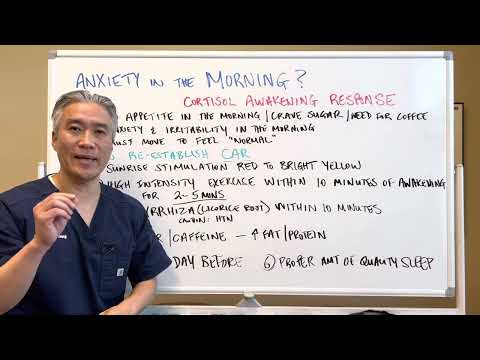
Hey, you know those days when everything feels like way too much? Like, the stress is piling up, and anxiety starts creeping in, right?
Well, it’s not just you. A lot of folks go through this rollercoaster of emotions. Sometimes it’s tough to tell where stress ends and anxiety begins—or if they’re dragging along a friend named depression.
But here’s the thing: you’re not alone in this. We all have our battles. Understanding what’s going on in your head can make such a difference.
We’ll dig into how stress, anxiety, and depression mess with us and explore some ways to cope that might actually help. So grab a seat, let’s chat about what goes on in our minds!
Effective Strategies for Managing Severe Depression and Anxiety: A Comprehensive Guide
Severe depression and anxiety can feel like this heavy, dark cloud that just won’t go away. It’s tough, isn’t it? You wake up some days feeling like you just can’t even. But there are ways to tackle it, and here are some strategies to consider.
1. Talk it out
Seriously, talking about what you’re feeling can be such a relief. Whether it’s with friends, family, or a professional, sharing your thoughts helps lift some weight off your shoulders. You might find that others have gone through similar struggles.
2. Routine is key
Creating a daily routine can provide structure when everything feels chaotic. Even simple things—like getting up at the same time every day or having breakfast—can give you a sense of control.
3. Set small goals
When everything seems overwhelming, break your tasks into tiny pieces. Instead of saying “I need to clean the whole house,” try “I’ll clean one room today.” Small wins can build your confidence.
4. Movement matters
You don’t have to run marathons or hit the gym hard; even a walk around the block counts! Physical activity releases those feel-good chemicals in your brain called endorphins that help fight off negative feelings.
5. Mindfulness and meditation
This is all about being present in the moment instead of getting lost in worries about tomorrow or regrets from yesterday. Apps for mindfulness might help guide you through meditation or breathing exercises.
6. Limit alcohol and caffeine
It’s easy to turn to these substances for comfort, but they can actually make anxiety worse in the long run. Try swapping that coffee for herbal tea—it might do wonders!
7. Healthy eating
A balanced diet impacts how you feel too! Foods rich in omega-3 fatty acids (like salmon) and plenty of fruits and vegetables could boost your mood.
8. Sleep well
Lack of sleep can worsen symptoms of depression and anxiety significantly! Aim for 7-9 hours if you can—creating a calming bedtime routine might help you wind down at night.
9. Seek professional help
This one’s huge: if things become too much, don’t hesitate to reach out for professional support! Therapists have tools and techniques that specifically target severe mental health issues.
10. Connect with others
- If you’re feeling isolated, connecting with support groups (in person or online) where people understand what you’re going through can be uplifting!
- Sometimes just knowing someone else gets it makes all the difference.
The journey with severe depression and anxiety isn’t easy; it takes time, patience, and sometimes lots of trial and error with these strategies to notice changes.
You’re not alone in this fight—remember to be kind to yourself along the way!
Effective Coping Tools for Managing Anxiety and Depression: A Comprehensive Guide
Managing anxiety and depression is something a lot of people deal with, and finding effective coping tools can seriously make a difference. It’s not about waving a magic wand to make feelings disappear; it’s more like having a toolbox filled with different strategies. Here are some tools you might want to consider:
Mindfulness and Meditation
Practicing mindfulness helps you stay present. Ever find yourself spiraling into what-ifs? Mindfulness pulls you back to the moment. It can be as simple as taking a few deep breaths or focusing on your surroundings for a couple of minutes. Try sitting quietly, noticing your breath, or engaging your senses—what do you hear, see, or smell around you?
Physical Activity
Exercise does wonders for the mind. Seriously! When you’re active, your brain releases endorphins—the feel-good chemicals. You don’t have to run a marathon; even going for brisk walks or dancing in your living room counts! Remember that one time when you felt lighter after moving around? That’s not just in your head!
Journaling
Writing down thoughts can be super cathartic. You might jot down what’s bothering you or even list things you’re grateful for. It’s like getting all that clutter out of your mind and onto paper. Plus, later on, looking back might give you insight into how far you’ve come.
Social Support
Reach out to friends, family, or even support groups. Sometimes just talking it out helps clear the foggy feelings in your mind. Have you ever caught up with an old friend and felt instantly lighter? That connection matters more than we often realize.
Cognitive Behavioral Techniques
Cognitive Behavioral Therapy (CBT) is all about recognizing negative thought patterns and flipping them around. For example, if you think “I always mess things up,” try turning it into “I’ve made mistakes before but I also learn from them.” Changing how we frame our thoughts changes how we feel!
Establishing Routine
Creating a daily routine brings structure—something anxiety loves to disrupt! Even small tasks like making your bed or planning meals can help ground you throughout the day.
Nurturing Interests
Engaging in hobbies is essential for mental health! Whether it’s painting, knitting, gaming—you name it! Doing things that bring joy reminds us there are pockets of happiness worth chasing.
You know what? Coping isn’t about doing everything right all the time; it’s okay if some days feel heavier than others. Just remember that it’s perfectly normal to struggle sometimes; acknowledging those feelings is already a step forward.
Incorporating these tools into daily life doesn’t require perfection either—like anything else, practice makes progress!
Understanding Stress Management Strategies in Psychology: Effective Coping Mechanisms
Stress is something we all deal with, right? But figuring out how to manage it effectively can sometimes feel overwhelming. Stress management in psychology is all about finding coping mechanisms that work for you—not every strategy will vibe with everyone. Let’s break it down.
Understanding Stress
Stress usually pops up when we feel like we can’t handle a situation, whether it’s work deadlines, relationship issues, or financial worries. Basically, it’s like our body goes into overdrive, making things harder to deal with.
Coping Mechanisms
In psychology, there are a few different strategies people use to cope with stress. These can help calm your mind and give you a clearer perspective. Here are some of the most common ones:
- Problem-focused coping: This is about tackling the issue head-on. If you’re stressed about an assignment at school, you might create a study schedule to break it down into manageable parts.
- Emotion-focused coping: Sometimes stress comes from feelings rather than problems themselves. You might talk to a friend or journal your thoughts and emotions to process what’s going on inside your head.
- Avoidance coping: This isn’t always bad if used wisely! It might mean taking a break from stressful situations for a bit—like binge-watching your favorite show or going for a walk.
Relaxation Techniques
Now, let’s dive into details about some relaxation techniques that can really help relieve stress:
- Meditation: Just 10 minutes of mindfulness can change your perspective. Focus on breathing in and out; it’s like hitting the refresh button on your brain!
- Deep breathing: When life gets hectic, take a moment to breathe deeply—slowly inhale through your nose and exhale through your mouth. You’ll be surprised how much this helps calm the storm.
- Exercise: Seriously! Moving around releases endorphins—those feel-good hormones that act like natural stress relievers.
Cognitive Behavioral Strategies
Sometimes we get stuck in negative thought patterns when we’re stressed out. Cognitive-behavioral strategies can help you shift those gears:
- Cognitive restructuring: This involves recognizing negative thoughts and replacing them with more realistic ones. Instead of thinking «I can’t do this,» try «I’ll do my best and that’s enough.»
- Psychoeducation: Learning about stress responses helps you understand what’s happening in your body and mind during stressful moments—it’s kind of empowering!
The Importance of Social Support
You know how sometimes just talking things through with friends makes everything seem less daunting? That’s social support doing its magic! Connecting with others can provide encouragement and new perspectives.
When I was juggling college courses and part-time work, I found myself feeling completely overwhelmed. A friend suggested grabbing coffee and just venting for an hour—all that stress was lifted as I voiced my worries aloud!
Bouncing Back: Resilience
Resilience is basically our ability to bounce back from tough times. It’s not something you either have or don’t—it can be developed over time! Try engaging in activities that make you feel good, building connections with others, or even taking lessons from past experiences.
Stress management isn’t one-size-fits-all; it’s more like finding what fits just right for you! Whether you’re mindful meditation or leaning on friends during tough times, these strategies can help navigate through life’s ups and downs better.
Stress, anxiety, and depression—these three buzzwords often swirl around like they’re best friends crashing a party. You know, one minute you’re just chilling, and the next, they show up uninvited and take over your vibe.
I remember a time when I had a huge project due at work. The stress kicked in like an old rival showing up at a reunion. I couldn’t sleep, my mind was racing with all the “what-ifs,” and I felt this weight on my chest that made it hard to breathe. Luckily, I found some little tricks to cope—like taking walks or doodling in a notebook. It didn’t solve everything overnight, but it helped me regain some control.
Now, let’s break it down a bit. When you’re stressed out about something—like deadlines or personal issues—it can spiral into anxiety pretty quickly. Anxiety is that nagging feeling that won’t let you relax; it’s like always having one eye on the exit door. In small doses, stress can actually be motivating—a little push to get things done or perform better. But when it’s constant? That’s where things get tricky.
Depression often tags along with stress and anxiety as well. It’s like this heavy curtain comes down on everything you used to enjoy. You feel low energy and may even struggle with motivation to do basic things like getting out of bed or meeting friends.
So what can help? Well, everyone has their own go-to strategies—some people find comfort in talking with friends or family about their feelings while others might pick up meditation or journaling as outlets for their thoughts. Even simple activities like gardening or cooking can be a form of therapy—they bring focus and calmness.
There’s really no one-size-fits-all approach here; what works for you might not work for someone else—and that’s totally fine! The important part is finding those little moments of relief amid the chaos.
In essence, it’s all about giving yourself grace when these feelings creep in because they will sometimes! Embracing those difficult emotions instead of pushing them away might just lead you to discover new ways of coping and understanding yourself better along the way. So next time life feels overwhelming, remember: you’re definitely not alone in this journey!