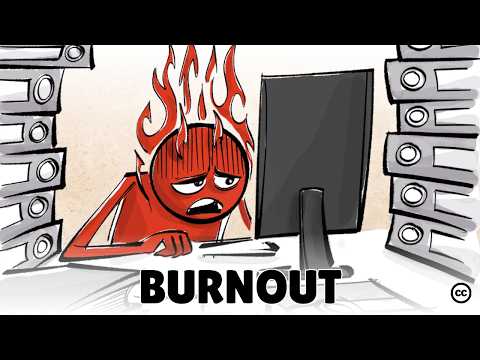
You know that feeling when your boss drops a huge project on you last minute? Yeah, stress levels go through the roof. Work can feel like a never-ending rollercoaster sometimes.
But here’s the thing: stress isn’t just about tight deadlines or annoying coworkers. It messes with your head and your body, and understanding it from a psychological angle can really help.
Imagine being able to spot the signs of stress before it totally wrecks your day—or week, or month. Sounds good, right?
Let’s unpack how to manage that workplace chaos and keep your sanity intact!
Effective Workplace Stress Management: 5 Strategies for a Healthier Work Environment
Workplace stress is something we all face at some point. Whether it’s deadlines, demanding bosses, or just the usual hustle and bustle of office life, it can really take a toll on our well-being. Let’s break down some effective strategies that can help you manage that stress and create a healthier work environment.
- Open Communication
First off, let’s talk about communication. You know how sometimes just talking about what bugs you can lighten the load? Having open lines of communication with your colleagues and supervisors can make a big difference. Like, if you’re feeling overwhelmed with tasks, just having a chat with your boss about workload priorities could help clear things up. You might find they didn’t realize you were swamped!
- Mindfulness Practices
Next up is mindfulness. Ever noticed how taking even a minute to breathe deeply or focus on the moment can ground you? Mindfulness practices—like meditation or simple breathing exercises—can be amazing tools for reducing stress. Imagine stepping away from your desk for five minutes to clear your mind. It’s like hitting refresh on your brain!
- Team Building Activities
Now, let’s consider team building activities. These aren’t just for fun—they’re vital! When teams engage in activities together, it helps build trust and camaraderie. A more relaxed environment means less tension when work gets tough. Think of it as creating an emotional safety net; when you know your team has your back, everything feels a little lighter.
- Time Management
Time management strategies can also be game-changers. You ever have one of those days where everything seems to go wrong because there’s just too much on your plate? Prioritizing tasks using methods like the Eisenhower Matrix (where you sort tasks by urgency and importance) can help cut through the chaos. This way, you tackle what really matters first and avoid that last-minute panic.
- A Healthy Work-Life Balance
The last point is all about achieving a healthy work-life balance. It might seem simple but setting boundaries between work time and personal time is crucial for mental health. Have you ever found yourself working late into the night? Yikes! Make it a rule to log off after hours or dedicate weekends to relaxation and recharge—your sanity will thank you!
You see? Managing workplace stress doesn’t have to feel insurmountable. A few adjustments in communication, mindfulness practices, team relationships, time handling, and striking that balance can truly transform how we feel at work. Stress may pop up now and then, but with these strategies in hand, you’re more equipped to deal with whatever comes next!
Effective Strategies for Managing Workplace Stress: A Comprehensive PDF Guide
Managing workplace stress can feel like juggling flaming torches while riding a unicycle, right? You want to keep it all balanced, but sometimes it can get overwhelming. Let’s break down some effective strategies that can seriously make a difference.
1. Identify Stress Triggers
First things first, you gotta know what stresses you out in your workplace. Is it tight deadlines, difficult coworkers, or maybe just way too many meetings? Take a moment and think about those situations that make your heart race or your palms sweaty. Once you know what triggers your stress, you can start tackling them head-on.
2. Practice Mindfulness
Have you ever tried mindfulness? It’s like hitting pause on life for a bit. Just taking a few moments to focus on your breathing or being aware of your surroundings can help calm those racing thoughts. Seriously, even if it’s just five minutes at your desk with your eyes closed (not napping though!), this technique can work wonders.
3. Set Boundaries
You might feel like saying “yes” to everything makes you look good at work. But overcommitting is a quick road to burnout! It’s okay to set boundaries and say no when you’re feeling overloaded. You’ll be amazed at how liberating it feels when you only take on what you can handle.
4. Connect with Others
Talking things out is so underrated! Connecting with coworkers or friends about what’s stressing you can lighten the load significantly. Maybe grab lunch with someone who gets what you’re going through; sharing experiences creates solidarity and can often lead to solutions.
5. Get Moving
Physical activity isn’t just about losing weight or looking buff; it’s also an incredible stress reliever! Going for a quick walk during lunch or doing some stretches at your desk helps release endorphins—the “feel-good” chemicals in your brain—helping you tackle the rest of the day with more ease.
6. Prioritize Time Management
Ever feel like you’re drowning in tasks? That’s why time management is key! Using tools like calendars or to-do lists helps keep things organized and manageable. Break larger projects into smaller steps so they don’t overwhelm you—think of them as tasty little bites instead of one big meal.
7. Seek Professional Help if Needed
Sometimes, stress gets too tough to handle alone and that’s completely okay! Reaching out for support from a professional is nothing to be ashamed of—it’s just another tool in your toolbox for coping better.
So there ya go—some solid strategies for managing workplace stress through a psychological lens! It might take some trial and error to see what works best for you, but sticking with these tips could lead to a happier and healthier work life overall! Remember, taking care of yourself should always come first; after all, well-being at work is not just important—it’s essential!
Effective Strategies for Reducing Workplace Stress: Download Your Free PDF Guide
Workplace stress can seriously mess with your day, right? The deadlines, the meetings, and just the overall hustle can add up. But there are ways to tackle it without feeling overwhelmed. So let’s talk about some effective strategies for reducing workplace stress!
First off, understanding what triggers your stress is key. Take a moment to think about what situations stress you out. Is it tight deadlines? Noisy coworkers? Once you identify those triggers, you can start finding ways to deal with them.
- Time Management:
You know how sometimes just looking at a long to-do list makes your head spin? Breaking tasks into smaller bits can really help. Set realistic goals for yourself daily, and prioritize what needs immediate attention versus what can wait. - Set Boundaries:
It’s totally okay to say no sometimes! Overcommitting can spread you thin. So, when requests flood in, don’t hesitate to set boundaries and stick to them. It’s your time too! - Practice Mindfulness:
Oh man, mindfulness is like a superpower for reducing stress! Taking a few minutes each day to focus on your breathing or even just doing something creative helps calm that racing mind. - Take Breaks:
You might feel guilty taking breaks but trust me—your mind needs that breather! Short walks or just stepping away from your desk can recharge you and boost productivity when you return. - Sociability Counts:
Connect with coworkers! Whether it’s grabbing coffee or chatting during lunch breaks—it helps lighten moods and build supportive relationships at work. - Acknowledge Your Feelings:
Don’t bottle things up; if you’re feeling stressed or overwhelmed, share it. Talking about what you’re going through can make a world of difference. It might surprise you how many share the same feelings!
When we take these steps seriously, we create an environment where we feel more in control and less like we’re drowning in work chaos. Also, remember that it’s perfectly normal not every day will be easy-peasy—what matters is how we manage those tough days.
So yeah, managing workplace stress is an ongoing journey—not a destination. You follow me? By being conscious of our mental space and having tools at hand to tackle challenges as they come up makes all the difference!
Workplace stress can really get to you, can’t it? Juggling deadlines, meetings, and just trying to keep up with the endless emails can feel like it’s all piling on. You’re not alone in feeling this way; it’s something many people deal with.
When we talk about managing that stress from a psychological perspective, it starts with understanding what causes those feelings in the first place. Think about it: Is it the workload? Maybe it’s difficult coworkers or that nagging pressure to perform perfectly. It’s like there’s this invisible weight that just drags you down.
You know how sometimes you have a really tough day and come home feeling completely drained? I remember after one particularly hectic week at work, I just wanted to collapse on my couch and forget about everything. But then, instead of moping, I thought about why I felt that way and what I could do differently. That’s when things started to shift for me.
Cognitive-behavioral techniques can be super handy here—like breaking negative thought patterns or reframing how you see tasks at work. For instance, instead of thinking “I’ll never finish this project,” try saying “I’m making progress every day.” A little shift in your mindset can change everything!
And let’s not forget about the importance of taking breaks—seriously! Your brain needs space to breathe. Ever notice how stepping outside for a minute or two makes you feel more energized? That’s your body saying “thank you!”
Building strong relationships with coworkers also makes a difference. Having someone to vent to or share ideas with can lighten the load and help put things into perspective. You know that saying «a problem shared is a problem halved»? Well, there’s some truth there!
But here’s the kicker: sometimes workplace stress isn’t just about what happens at work; it spills into your personal life too. When stress builds up over time without release, it could lead to burnout or even physical health problems.
So, managing workplace stress isn’t just one thing; it’s more like a combination of understanding your own reactions, employing coping strategies, maintaining connections with others, and creating boundaries between work and home life.
Next time you’re feeling overwhelmed at work, take a step back and check in with yourself. What are your triggers? What coping strategies help you? It’s all about finding what works best for you—you got this!