You know those days when everything feels like it’s piling up? Like, you can’t catch a break? It’s no surprise that stress can sneak in and mess with your body. One minute you’re breezing through life, and the next, you’re feeling your heart racing like it’s trying to run a marathon.
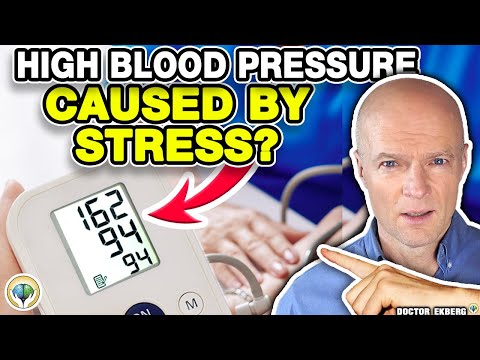
But here’s the thing—stress doesn’t just mess with your mood. It can also play a big part in your blood pressure. That pressure we often ignore until it hits us hard. What’s wild is how our thoughts and emotions are super connected to this whole situation.
So let’s chat about what really goes down when our minds start to race. You’ll see how psychology and physiology are kind of best buddies when it comes to stress and blood pressure. Buckle up for this ride; it’s more interesting than you’d think!
Understanding the Impact of Stress on Blood Pressure: Key Insights and Research Findings
Stress is one of those things we all deal with, and its impact on blood pressure is pretty significant. Basically, when you’re stressed, your body releases hormones like adrenaline and cortisol. These guys are responsible for that fight-or-flight response we all know too well. They might help us in tough situations but can really mess with our blood pressure in the long run.
So here’s the lowdown: when you face stress, your heart rate speeds up, and your blood vessels narrow. This combo causes your blood pressure to spike. It’s like a short-term boost—useful if you’re running from a tiger but not so great if it’s happening every day, right?
- Chronic Stress: If stress hangs around too long—like that annoying friend who overstays their welcome—it can lead to consistent high blood pressure. Studies have shown that people under constant stress often have higher blood pressure readings.
- Psychological Factors: Anxiety and depression play big roles too. When you’re feeling anxious or down, it can trigger a similar cascade of hormones. This means more potential for higher blood pressure over time.
- Lifestyle Choices: Stress can also lead to unhealthy habits. You might find yourself eating junk food, drinking more coffee or soda than usual, or skipping exercise—all of which can worsen hypertension.
Let’s chat about a classic example: imagine you’ve just finished a really stressful day at work. Maybe you had an argument with a colleague or missed an important deadline—totally relatable stuff! Your body kicks into high gear; your heart races, and the last thing on your mind might be managing your stress levels or grabbing that healthy snack instead of chips.
Research backs this up; studies show that after stress-inducing events, people usually show an increase in systolic blood pressure (that’s the top number) compared to their baseline measurements taken during calmer moments.
An interesting tidbit? Some folks seem more resilient to stress than others due to genetic factors or even how they process emotions. This doesn’t mean they won’t feel stressed ever; it just means they might handle the aftermath better than others do.
- Meditation and Relaxation Techniques: Engaging in mindfulness practices can help reduce stress levels significantly over time and manage your blood pressure effectively.
- Sufficient Sleep: Not getting enough shut-eye ramps up your body’s stress response. A good night’s sleep helps regulate hormones better.
The bottom line is this: staying aware of how stress affects our bodies, including our blood pressure, is crucial for long-term health. Managing it could mean finding balance through lifestyle changes and support systems—whatever works best for you!
This isn’t about stressing even more over our health! But knowing how these things connect can lead to making smarter choices down the road.
Understanding Stress-Induced Hypertension: Common Symptoms and Management Strategies
Stress-induced hypertension is like that annoying friend who shows up uninvited. You didn’t ask for it, yet here it is, causing all sorts of trouble. This condition happens when stress raises your blood pressure, and it’s more common than you might think.
When we experience stress, our body goes into fight-or-flight mode. This means our heart rate goes up, and so does our blood pressure. Over time, this can lead to **hypertension**, which isn’t just a fancy term for high blood pressure—it’s a serious health risk if left unmanaged.
Common Symptoms
So what should you look out for? Well, stress-induced hypertension might not show big signs at first. But there are some symptoms that could signal a problem:
- Headaches: These can be persistent or come and go.
- Dizziness: Feeling lightheaded? That might be your body signaling distress.
- Nosebleeds: Yep, they can be related to high blood pressure.
- Shortness of breath: If you’re feeling winded for no good reason, pay attention!
- Chest pain: This one’s serious; don’t ignore it.
You know how sometimes you get butterflies in your stomach when nervous? That’s kind of a mild version of what your body goes through with stress—it cranks everything up a notch. Think about that time you had a huge presentation at work and couldn’t sleep the night before. Your heart was racing, right? Well, that’s just a taste of how stress can mess with your blood pressure.
Management Strategies
Now that we’ve covered the symptoms, let’s chat about how to manage this pesky condition. Luckily, there are quite a few strategies to help keep things in check:
- Mindfulness and Meditation: Seriously! Just taking a few minutes each day to breathe deeply can make a world of difference.
- Physical Activity: Whether it’s yoga or just going for walks—moving your body helps reduce stress and lower blood pressure.
- Sufficient Sleep: Don’t skimp on sleep! A well-rested mind is less likely to trigger your body’s stress response.
- Adequate Nutrition: Eating healthy foods fuels your body right; think of fruits and veggies as allies against stress!
- Saying No!: Sometimes you need to set boundaries—don’t overcommit yourself! It’s okay to put yourself first.
Let’s get real: Managing stress is not always easy. You might feel overwhelmed some days—like when life throws you curveballs left and right. Remember that friend I mentioned earlier? Well, addressing these symptoms is like kicking them out before they crash the party again.
If you’re feeling really stuck or struggling with severe symptoms like chest pain or persistent headaches, reaching out for help is totally okay too! It’s all about finding what works best for you.
Understanding the relationship between psychological factors and hypertension gives insight into how important mental well-being really is. Stress isn’t just something we brush off; it’s worth paying attention to because it can impact our whole lives—body included!
Take Control: Effective Strategies to Manage Blood Pressure and Reduce Anxiety
Managing blood pressure while keeping anxiety in check can feel like a balancing act sometimes. You might find yourself feeling stressed and then, bam! Your blood pressure shoots up, creating a cycle that’s tough to break. Let’s talk about some strategies to gain control over both your blood pressure and anxiety. Hopefully, this will help you to feel more in charge of your health.
Take a Breath – Seriously, deep breathing is like magic. When you’re anxious, your body goes into fight-or-flight mode, right? That makes your heart race and can bump up your blood pressure. So just sitting down for a few minutes to focus on your breath can help so much. Picture this: you’re sitting at work feeling overwhelmed. Just take five minutes to breathe deeply—in through your nose, hold it for a second or two, and out through your mouth. It really helps calm the storm inside.
- Exercise Regularly – This isn’t about turning into a gym rat; regular walks or mild workouts can do wonders for both anxiety and blood pressure. When you exercise, the body releases endorphins—the feel-good hormones! Just think how great it feels after a jog or yoga session.
- Nutrition Matters – Eating healthy foods isn’t just about looking good; it affects how you feel too! Foods rich in potassium—like bananas—or magnesium—like nuts—can help lower blood pressure and even ease anxiety levels.
- Stay Hydrated – Drinking water might seem basic but being dehydrated can actually raise your blood pressure and make you more anxious. Keep that water bottle nearby—you might be surprised how much better you feel!
- Sleep Well – Lack of sleep is like the enemy of all things healthy! Not getting enough rest raises stress levels and can contribute to higher blood pressure. If you’re tossing and turning at night, try establishing a calming bedtime routine.
- Meditation & Mindfulness – Practicing mindfulness trains your brain to focus on the present rather than worrying about the future or reliving the past. This works wonders for reducing stress—and guess what? It helps keep that pesky blood pressure down too!
Now think back to last week when you were stressed out over that big project at work. What if instead of stressing all night long, you’d taken ten minutes each day just to clear your head? Maybe used some guided meditation apps they have these days? It’s like giving yourself an emotional spa day!
Connect with Others. Humans are social creatures, after all! Talking with friends or family when you’re feeling overwhelmed can lighten the load significantly. Just knowing someone is there to listen makes everything more manageable.
While these strategies sound simple enough, it’s important not to overlook them because they really pack a punch when used together consistently over time. Like building muscle—you don’t see gains overnight but with effort and patience? You’ll feel stronger mentally and physically.
So remember: taking control of stress doesn’t just benefit your peace of mind; it’s also fantastic for keeping that blood pressure in check! Take it one step at a time; you’ve got this!
You know, stress is one of those things that just creeps up on you. Like, one moment you’re chilling, and the next you’re overwhelmed with everything life throws your way. It can affect so many parts of your body—it’s seriously crazy. I mean, when you’re stressed out, it not only messes with your mind but also does a number on your physical health, including blood pressure.
Let’s say you’ve had a long day at work. You come home feeling frazzled and just need a minute to breathe. If you’ve ever felt that tight chest or racing heart, that’s stress kicking in! It’s like an alarm system going off in your body. When stress hormones—like cortisol and adrenaline—surge through you, they prepare you to run away from danger or fight back. It’s called the “fight or flight” response. But in today’s world? Most of us aren’t exactly getting chased by wild animals; instead, we’re dealing with emails, bills, and endless responsibilities.
Now think about how we often deal with these pressures. Some people might go for a jog to blow off steam while others might binge-watch their favorite show as a distraction. And then there are those who turn to unhealthy habits—like junk food or skipping sleep—to cope. Each response has its own set of consequences for our bodies.
The thing is—chronic stress can lead to high blood pressure over time. It’s like building up this pressure cooker inside you without letting any of that steam escape! When you’re constantly under pressure, your heart works harder than it should be. This can lead to serious health issues down the road if left unchecked.
I remember once feeling super anxious before an exam in college. I could literally feel my heart racing as I sat there studying late into the night instead of sleeping! My blood pressure must have been off the charts…or at least that’s how it felt! In retrospect, I wish I had taken breaks and used some relaxation techniques instead of letting it spiral out of control.
Stress doesn’t spare anyone; whether you’re a student cramming for finals or someone juggling work and family life, it’s there lurking around the corner ready to pounce if we’re not careful! So learning how to manage our stress levels isn’t just good for our minds but crucial for keeping our bodies healthy too.
It’s all about finding what works for you—maybe it’s meditation one day or a walk in nature the next. The key is to be aware that those little moments can make a big difference over time in managing both stress and blood pressure effectively!