You know that feeling when everything just feels like too much?
Like you’re carrying this invisible backpack stuffed with worries and stress? Ugh. That’s your emotional load, and trust me, we all have one.
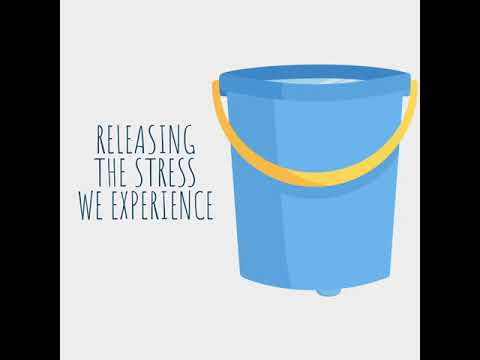
There’s this cool idea out there called the stress bucket concept. It’s kinda like a metaphor for understanding how we handle our emotions. Picture a bucket, right?
Every little bit of stress fills it up until—bam! The thing overflows. Now, who wants that mess?
So let’s chat about how to manage that emotional load before it spills everywhere! Sound good?
Understanding the Stress Bucket Concept: A Practical Guide to Managing Emotional Load (PDF Download)
The stress bucket concept is a pretty neat way to visualize how we handle stress and emotions. Imagine your mind as a bucket. Over time, this bucket fills up with stress from different sources: work, relationships, or even that annoying traffic jam you hit this morning. If the bucket gets too full, it overflows, causing emotional chaos. You feeling me?
So, how do we manage this emotional load? It’s all about recognizing what fills your bucket and figuring out how to make room for more positive stuff while releasing the negative.
Here’s a quick breakdown of some key points related to the stress bucket concept:
- Sources of Stress: Think of everything that adds weight to your bucket—work deadlines, family issues, or even just everyday annoyances. Each of these contributes to filling up your emotional space.
- Releasing Pressure: Just like you wouldn’t want water spilling out all over the place, you need ways to drain that stress periodically. This could be through exercise, talking it out with friends, or practicing mindfulness.
- Emotional Awareness: Knowing what fills your bucket is crucial! Journaling can help you identify triggers and patterns in your stress levels.
- Positive Additions: Fill your bucket back up with good stuff! Engaging in hobbies, spending time with loved ones, or just enjoying a quiet moment can make all the difference.
Let’s say you had a rough week at work—your boss is breathing down your neck about projects that feel impossible. That pressure fills up your bucket quickly! But maybe you take time out on Friday evening to have dinner with friends who always lift you up. Suddenly the weight feels lighter.
Or think about when you’re overwhelmed by family responsibilities. Instead of letting that pile on top of existing stressors, carving out some «me time» can help balance things out.
It’s also important to realize that everyone has different thresholds for what will fill their buckets. Some people might be okay managing high-stress jobs while others struggle even in calmer situations.
The goal here? Keeping that mental bucket from overflowing while actively working on draining it regularly as life tosses challenges at you.
By applying this understanding every day—recognizing what fills and drains your stress—you get better at managing your emotional load more effectively!
Effectively Managing Emotional Stress: Understanding the Stress Bucket Concept
So, let’s talk about stress. It’s something we all deal with, right? Sometimes it feels like we’re carrying this heavy bucket around. This isn’t just some random metaphor. It’s actually a really helpful way to think about how we handle emotional stress.
The Stress Bucket Concept basically illustrates how each of us has an emotional bucket that fills up with everything that stresses us out. When you face challenges—like work deadlines, relationship issues, or health concerns—stressors trickle into your bucket. Sounds familiar? If you’re like most people, you probably know that feeling when the bucket gets too full.
Now, here’s the twist: everyone has a different-sized bucket. Some folks have really big buckets; they can handle a lot of stress without feeling overwhelmed. Others have smaller ones and might feel stressed out even with just a few drops in there.
- Emotional Overflow: When your bucket overflows, that’s when things get messy! You might feel anxious or irritable and even lash out at people for no reason.
- Coping Strategies: The key is to manage what goes into your bucket and find ways to drain it before it overflows. Think about activities that help you relax, like exercise or talking to a friend.
- Acknowledging Stressors: It’s super important to recognize what fills your bucket. Is it work pressure? Family responsibilities? Once you know what those stressors are, you can start figuring out how to deal with them better.
Here’s an example: imagine you’re juggling work deadlines and personal commitments at the same time. Each task adds weight to your bucket. One day, when a friend asks for help moving houses on top of everything else… bam! Your bucket spills over! You might snap at them or feel completely overwhelmed.
The thing is, it’s totally okay to need help managing this stuff! Like I said before, draining your emotional bucket can look different for everyone. For some people it might be yoga or meditation; for others it could be watching a funny movie or going for a long walk outside.
You might also need to create boundaries in your life so you don’t keep filling that bucket nonstop. Saying no sometimes is crucial and helps keep some space between the stresses coming in and what’s already filled up.
The Stress Bucket Concept isn’t just about dealing with stress but also understanding ourselves better. Why do certain things push us closer to overflowing? What strategies genuinely help us feel lighter? Being mindful of these questions can lead us down the path of effective emotional management!
An overflowing stress bucket doesn’t have to be your reality though! By recognizing what’s filling it up and finding effective drain strategies, you’re more in control than ever!
Downloadable Stress Bucket Worksheet PDF for Effective Stress Management
When you think about stress, it can feel like you’re carrying around a heavy backpack, right? Well, the Stress Bucket Concept is basically a way of visualizing how we experience and manage that stress. Imagine your emotions and stressors filling up a bucket; once it’s overflowing, that’s when you really start feeling overwhelmed.
So, let’s break down this idea. Your stress bucket fills up with different things:
- Daily hassles: Small annoyances like traffic jams or work deadlines.
- Big life events: Major changes like moving to a new city or losing a job.
- Your own thoughts: Negative self-talk or worries about the future.
- External pressure: Expectations from family or society that feel heavy.
The cool thing about this concept is recognizing that everyone has their own unique bucket. Some people might have bigger buckets, while others have smaller ones. Knowing how much your bucket can hold helps you understand when you’re reaching your limit.
You ever find yourself snapping at someone over something minor? Like the dishes piling up? That’s often because **the bucket’s full**! It’s not just about the dishes; it’s everything else you’ve been holding in that finally bubbles over.
Now, coming to the Downloadable Stress Bucket Worksheet PDF, this can be super helpful for practically managing your emotional load. It acts as a written check-in for what’s filling your bucket at any given moment.
With the worksheet, you can:
- Identify stressors: Write down what’s making your bucket fill up.
- Assess your feelings: Rate how these stressors impact you emotionally and physically.
- Brainstorm solutions: Think of ways to empty some of that stress out of your bucket—maybe through exercise or talking to a friend.
- Create action steps: Set specific goals to handle stressors before they overflow.
Using such tools makes everything feel more tangible. Instead of just feeling overwhelmed with no end in sight, you’ve got something concrete to work on. It puts *you* back in control.
Let’s say you fill out this worksheet after a tough week at work. You jot down **heavy project deadlines** and **miscommunication with a coworker** as major contributors to your stress level. That visualization of those items piling into your bucket starts making things clearer: «Okay, I need to talk it out with my coworker!»
Managing our emotional load doesn’t have to be complicated. Having strategies like these gives us clarity and reminds us we’re not alone in dealing with stress. So next time life feels too intense, grab that worksheet! It might just give you the insight needed to lighten your load a bit.
Alright, so let’s talk about this idea of the «stress bucket,» which is just a way to think about how we handle our emotions and stress. Imagine you have a bucket in your life. This bucket collects everything that stresses you out—work issues, family drama, financial worries, and even those pesky little annoyances that seem to pop up every day. It fills up over time with all these emotions and experiences.
Here’s where it can get tricky: if your bucket gets too full and there’s no way for the stress to spill out or be emptied, well… that’s when things start getting overwhelming. You might find yourself feeling burnt out or just not yourself anymore. Trust me, we’ve all been there!
I remember a time when I was juggling work deadlines and personal stuff at home. It felt like my stress bucket was overflowing. I’d wake up feeling like I hadn’t slept at all, and little things would just set me off—like missing a coffee spill on the counter or forgetting my keys. It felt ridiculous! But honestly? That was just my brain saying, “Hey! We’re full here! Time to unload!”
So how do you manage this emotional load? First off, it’s really important to recognize when your bucket is close to overflowing. You know that feeling when you’re irritable or anxious for no clear reason? Yeah, that’s often a signal. What helps is finding ways to release some of that stress before it becomes too much—like talking it out with a friend, getting some exercise, or even just taking a break from everything.
It’s not always easy though! Life can be messy and stressful at times. It needs practice to figure out what works best for you in terms of emptying that bucket a little bit more regularly. Some folks might find journaling super helpful—writing down thoughts can really lighten the load! Others might need meditation or hobbies as an escape route.
In the long run, it’s about finding balance and not letting things pile up too high until you hit a tipping point where it’s hard to cope anymore. Think of your emotional health as something you constantly tend to—drain your bucket regularly so life doesn’t feel like an endless cycle of stress after stress piling on top of one another.
So yeah, managing your emotional load isn’t just about surviving; it’s about thriving while keeping that pesky stress bucket from overflowing over time!