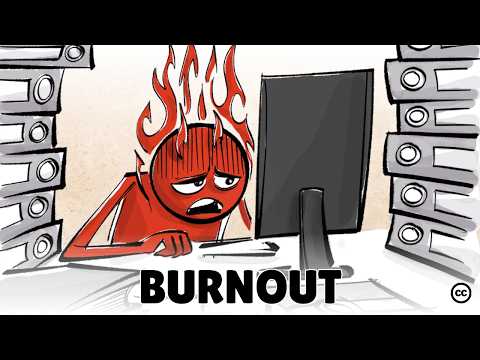
You know that feeling when you just can’t take it anymore? Like the weight of the world is crushing you? Stress burnout is real, and a lot of us have been there.
It sneaks up on you, like that unexpected pop quiz in school. One minute you’re fine, and the next, you’re overwhelmed.
But what really causes this burnout? It’s not just about working too hard or juggling responsibilities. There’s more going on under the surface.
Let’s chat about those psychological roots of stress burnout. They’re often tangled up in our thoughts, feelings, and even our habits. So grab a cozy drink and let’s break it down together.
Understanding Maslach Burnout Theory: Comprehensive PDF Guide and Insights
Understanding Maslach Burnout Theory is kind of a big deal when talking about stress and burnout in many work environments. So, let me break it down for you in a way that feels easy and relatable.
What is Burnout?
Burnout isn’t just feeling tired after a long day—it’s way deeper than that. It’s like hitting a wall where everything feels overwhelming, and you end up feeling drained, cynical, and not really effective at your job. You know that feeling when even getting out of bed feels like climbing a mountain? Yep, that’s burnout.
The Three Components of Burnout
According to Christina Maslach, who kinda pioneered the whole discussion on this topic, burnout has three main components:
Think of it this way: imagine working on a project for weeks but feeling like no one appreciates your work at all. You’d probably start questioning if you’re even good at what you do.
The Psychological Roots of Stress Burnout
So why does burnout happen? Well, there are some common triggers:
To put things into perspective: let’s say you’re working late every night because your boss piles on extra projects without asking how you’re managing things. Over time, it starts to wear on your mental health!
Coping with Burnout
Recognizing signs of burnout is crucial if you want to tackle it head-on. Some steps that might help include:
In one case I heard about from a friend—she was totally burned out at her job until she started taking short walks during lunch breaks with coworkers. Just stepping away made her feel so much better!
The Bottom Line
Burnout is real—and understanding Maslach’s theory helps shed light on why we feel this way sometimes. Recognizing those emotional signs and finding ways to cope can make all the difference in keeping our spirits high and our productivity flowing smoothly!
Understanding Burnout: A Comprehensive Definition and Its Implications in Psychology
Burnout is one of those buzzwords we hear all the time, but what does it really mean? It’s not just being tired after a long day at work. Burnout is like a slow leak in your emotional tank. Over time, if you’re under constant stress—whether from work, family demands, or even just life’s daily grind—you can feel completely drained.
So, here’s the deal: burnout typically stems from prolonged periods of stress. Your brain can only handle so much before it says, “Enough already!” When that happens, you might start feeling overwhelmed and unable to meet demands. And this isn’t just about feeling tired; it goes deeper than that.
You might find yourself experiencing emotional exhaustion. This means you’re emotionally spent and feel like you have nothing left to give. Maybe you used to love your job or hobbies, but now they feel like chores. And let’s talk about cynicism. It’s when negativity creeps in and changes how you view everything around you. You start doubting your abilities and feeling detached from your work or relationships.
There are definitely some signs to watch out for when it comes to burnout, like:
- Chronic fatigue: Feeling exhausted no matter how much sleep you get.
- Sleep issues: Struggling to fall asleep or stay asleep can happen.
- Irritability: Little things start getting on your nerves way more than usual.
- Lack of accomplishment: Feeling ineffective in both work and personal life.
What happens is—over time—the physical toll can be pretty harsh too. You might notice headaches, stomach problems, or even a decline in your immune system; basically, everything takes a hit.
Now, a friend of mine went through this whole burnout saga at work last year. He was pushing himself harder than ever trying to climb the corporate ladder while neglecting his well-being. He started feeling physically sick and emotionally drained until he recognized he was burned out. Once he started addressing the imbalance between his work and personal life—like setting boundaries and taking dedicated “me time”—things slowly improved for him.
The root causes of burnout are usually tied into our environment and expectations we place on ourselves or that others place on us—as well as our coping strategies under pressure. Some people might tackle stress by overworking themselves instead of finding healthy outlets like talking with friends or exercising.
Understanding burnout isn’t just critical for individuals either; it’s also essential for organizations. Companies should recognize the impact of chronic stress on employee turnover and productivity. Addressing mental health honestly can lead to better workplaces where everyone thrives.
In essence, understanding burnout means recognizing its implications not just for ourselves but also for others around us—friends, coworkers—they’re all part of this human experience too!
Understanding the Causes of Burnout: Key Factors and Solutions
Burnout is a hot topic these days, and for good reason. It’s like that feeling when you’re all out of gas but still have to keep driving. You know, that overwhelming fatigue and stress that makes you feel stuck? Let’s break down what causes it and, more importantly, how to handle it.
First off, what even causes burnout? Well, there are several key factors at play here:
- Chronic Stress: If your stress is like that pesky fly buzzing around at a barbecue—always there—it can wear you down. Long-term exposure to stressors at work or home can lead to feelings of hopelessness and exhaustion.
- Lack of Control: Picture this: you’re working on a project but someone else keeps changing the rules. Frustrating, right? When you feel you don’t have control over your work or life decisions, it can lead to resentment and burnout.
- Poor Work-Life Balance: Balancing work and personal life sometimes feels like juggling watermelons while riding a unicycle! If work takes up all your time and energy, there’s hardly any left for yourself or your loved ones.
- Unrealistic Expectations: Ever had a boss who expects you to perform miracles daily? When expectations are set too high with little support, it’s like climbing an endless mountain—you’re bound to feel defeated.
Now let’s dig into some emotional patterns linked with burnout. Often people who experience burnout might also grapple with feelings of inadequacy or perfectionism. You might find yourself thinking, “I should be doing better,” which just adds fuel to the fire. In my friend Sarah’s case, she was constantly pushing herself in her career until one day she hit a wall and didn’t want to get out of bed. That was her wake-up call!
So what can we do about it? Here are some ideas:
- Set Boundaries: It’s okay to say no! Protecting your time is crucial for reducing stress.
- Focus on Self-Care: Simple things like taking short breaks throughout the day or treating yourself to something small can really help reset your mood.
- Seek Support: Talking about what you’re going through can provide relief. Friends, family or even colleagues may offer perspectives you hadn’t considered.
- Pace Yourself: Remember that it’s not a race! Break your tasks into smaller steps and enjoy small wins along the way; they add up!
Keep in mind that overcoming burnout isn’t about accomplishing more in less time—it’s about re-evaluating your priorities and listening to yourself. People often overlook how essential it is just to pause and breathe when everything feels overwhelming.
At the end of the day, if you’re feeling burnt out—it’s completely okay not be okay sometimes. Recognizing those feelings is the first step towards making changes that can help light back up that fire within you!
Stress burnout is one of those terms we hear a lot nowadays, right? It’s like a buzzword, but the deeper thing is that it really touches on how we handle pressure in our lives. When you think about it, stress isn’t just this annoying feeling that pops up during a busy week; it can actually wear you down over time.
You know, I recently talked to a friend who had been juggling work and family responsibilities. She’d always been the go-to person for everyone—taking on extra projects at work, helping her kids with schoolwork, and even organizing family gatherings. But slowly, she started feeling overwhelmed. The fun in her life began to fade away, and she felt trapped in an endless cycle of tasks: wake up, work, take care of the family, repeat. That’s stress burnout knocking at your door.
It’s interesting how psychological roots play into this whole situation. A lot of times, people don’t realize they’re burning out until they hit that wall—emotionally and physically drained. When you’re constantly pushing yourself or when life throws curveballs your way (a job loss here, health issue there), your mind goes into overdrive. You might start feeling anxious or down because there’s always something hanging over your head.
But let’s not forget about expectations—both from ourselves and others. Ever feel like you need to show up perfectly? This keeps that stress dial cranked up high. It’s almost like you’ve got a little voice in your head that’s saying you should always be productive or successful; otherwise, what’s the point? This pressure adds to emotional exhaustion and can lead to resentment toward things you once loved.
And then there’s the whole social comparison thing; scrolling through social media while seeing everyone else looking so put together adds fuel to the fire. You may not even notice it at first but gradually it builds that heaviness inside.
Feeling burnt out isn’t just about being tired; it’s more like being emotionally hollowed out by constant demands and expectations that seem never-ending. Recognizing these psychological roots is key to breaking free from them! Sometimes just giving yourself permission to slow down or even ask for help can change everything.
So yeah, understanding stress burnout means taking a good look at how we relate to all those pressures in our lives—it’s not easy but definitely worthwhile!