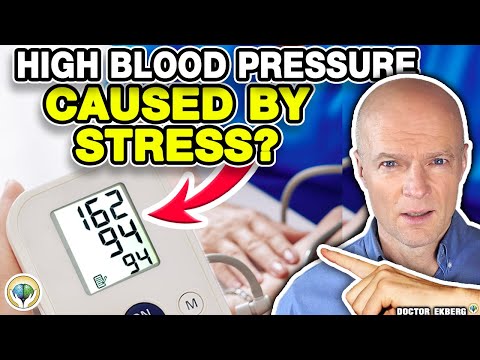
So, let’s talk about stress. You know that feeling when your brain is racing, and it seems like everything is piling up at once? It’s exhausting, right?
Well, here’s the thing: that stress can do more than just mess with your mood. It can sneak in and throw a wrench in your physical health too.
High blood pressure isn’t just about salt and cholesterol. Stress might be lurking behind the scenes, pulling the strings. Imagine it as that friend who always shows up uninvited to a party—pretty annoying but hard to ignore!
Stick around; I’ll break down how this whole stress thing works and why it matters for your heart.
Understanding Blood Pressure: Essential Insights to Alleviate Your Concerns
When we talk about blood pressure, it’s easy to get lost in the numbers, but there’s way more to it than just reading those stats. You know how when you get stressed out, your body acts like it’s in some sort of survival mode? Well, that response plays a huge role in how your blood pressure is affected.
To break it down, blood pressure measures the force of your blood against the walls of your arteries. It’s given in two numbers: systolic (the top number) and diastolic (the bottom number). High blood pressure, or hypertension, can be sneaky—often no symptoms show up until it’s a problem. And that’s where psychological stress comes into play.
Stress triggers your body to release hormones like adrenaline and cortisol. These hormones are basically your body’s «let’s fight or flee!» signals. They make your heart beat faster and can tighten up your blood vessels, which raises that all-important blood pressure number. So when life throws you curveballs—whether it’s work deadlines or personal issues—your body responds accordingly.
The connection between stress and high blood pressure can show up in various ways:
- Coping mechanisms: Sometimes people deal with stress by turning to unhealthy habits like smoking or overeating. Both can mess with your heart health.
- Lack of exercise: When you’re stressed, getting off the couch might seem less appealing. But regular exercise is key for managing both stress and blood pressure!
- Sleepless nights: Stress often equals sleepless nights; you know that feeling? Not getting enough rest can raise cortisol levels, putting further strain on your body.
You might think of stress as just a mental thing—but it’s physical too! For instance, remember that time you had a big presentation coming up? Your stomach felt like it had butterflies? That anxiousness was not just an emotional experience; it was affecting how your heart pumped blood!
If you’re looking for some manageable ways to handle this, mindfulness practices like meditation or deep breathing exercises can really help chill out that overactive stress response. Even just going for a walk outside works wonders for clearing the mind! Plus, staying connected with friends helps lift those emotional weights too.
The thing is, managing psychological stress is crucial not only for keeping your mood balanced but also for keeping a healthy blood pressure. When you tackle those worries head-on instead of bottling them up, you’re doing yourself a huge favor—not just mentally but physically too!
You see? Blood pressure isn’t merely about what you eat or how much you exercise; it intertwines with everything—especially our emotions and mental health! Keep an eye on those feelings, learn to manage them better, and you’ll likely notice a positive shift in those numbers.
Understanding the Impact of Stress on Blood Pressure: Key Insights and Research
Stress is one of those things we all deal with, right? It can sneak up on you when you’re juggling work, family, or just life in general. But here’s the kicker: that stress doesn’t just mess with your mind; it can mess with your body too. Specifically, it can have a pretty big impact on **blood pressure**.
When you’re stressed out, your body goes into what’s called the «fight-or-flight» mode. It releases hormones like adrenaline and cortisol. These guys are meant to help you react quickly to danger, but they can also cause your heart rate to increase and blood vessels to constrict. This means your blood pressure shoots up.
You might be thinking, “Okay, but how does this play out long-term?” Well, if stress is constant—like during tough life events or chronic job pressure—it can lead to persistent high blood pressure (**hypertension**). And that’s not something you want to mess around with.
Consider this: let’s say you’re going through a rough patch at work. Every day feels overwhelming. Your body stays in high alert mode for days, weeks, or even longer. Over time, this constant stress can lead to some serious health issues like heart disease or strokes.
It’s also interesting how our coping mechanisms play into this whole situation. Some folks might lean toward unhealthy behaviors when stressed—like overeating or smoking—because they think it helps them manage their feelings. But these habits can actually worsen blood pressure problems.
Now let’s break down some key insights about this relationship between stress and blood pressure:
- Short-term spikes: Stress can cause temporary increases in blood pressure that usually go back down once the stressor is gone.
- Chronic effects: Long-term stress keeps your blood pressure elevated over time.
- Coping strategies matter: Positive coping methods like exercise or mindfulness can help lower stress-induced spikes.
- Risk factors: If you already have other risk factors for hypertension—like being overweight or having a family history—the effects of stress are even more pronounced.
Some research suggests that managing stress effectively could significantly lower the risk of developing hypertension overall. Activities like yoga and meditation are gaining attention for their ability to calm both the mind and body. And hey, who wouldn’t want to reduce their blood pressure while feeling more relaxed?
In summary, recognizing the link between psychological stress and high blood pressure isn’t just important—it’s crucial for maintaining overall health! Paying attention to both mental wellbeing and physical health gives you a leg up in managing blood pressure levels effectively over time. So next time you’re feeling overwhelmed, take a step back and consider how that might be impacting your health in ways you didn’t realize before!
Understanding the Connection Between High Blood Pressure, Depression, and Anxiety: Impacts and Management Strategies
The connection between high blood pressure, depression, and anxiety is pretty complex. They all play off each other in a way that can make life feel like a rollercoaster. Let’s break this down and see what’s going on.
First up, high blood pressure, or hypertension as the docs call it. It’s not just about the numbers; it can seriously affect how you feel both physically and mentally. When your blood pressure’s high, your body is under stress. This stress releases chemicals like adrenaline, which can ramp up your heartbeat and make you feel anxious or even restless. Imagine being stuck in a traffic jam with that horn blaring—it’s hard to relax, right?
Now let’s talk about depression. It’s more than just feeling sad; it can drain your energy and motivation to do everyday stuff. You might start avoiding things you used to enjoy. It’s like a fog settling in, making everything seem harder than before. Research has shown that people dealing with depression are at a higher risk for developing high blood pressure. Why? Because when you’re feeling low, your body might react with increased stress hormones that can raise that pesky blood pressure.
And then we have anxiety—common but often misunderstood. Think of it as that incessant monkey chatter in your head that won’t let you chill out. Anxiety disorders often go hand-in-hand with hypertension too because the constant worry keeps your body on alert mode all the time. That means more stress hormones swirling around causing things like rapid heart rate or even headaches.
So here’s how they’re intertwined:
- Chronic stress from anxiety can lead to high blood pressure.
- High blood pressure might worsen feelings of depression.
- Depression itself can create more feelings of anxiety.
But hey, what do we do about it? How can we manage these tricky connections? Here are some strategies to consider:
1. **Stay Active**: Exercise is huge! It helps release those feel-good endorphins which are like nature’s pick-me-up.
2. **Mindfulness Practices**: This includes meditation and deep breathing exercises which help calm the mind and lower stress levels.
3. **Talk Therapy**: Whether it’s group therapy or one-on-one sessions, talking helps you sort through emotions and tackle underlying issues head-on.
4. **Healthy Lifestyle Choices**: Eating well and keeping an eye on sodium intake not only helps control blood pressure but also boosts overall mood!
5. **Regular Check-ups**: Keeping tabs on both mental health and physical health ensures early detection of any spikes in either direction.
Connecting these dots reminds us how our bodies work as a unit—you can’t just treat one without looking at the others too! It’s easy to overlook how psychological stress sneaks in as a major player behind high blood pressure issues.
So remember, if you’re feeling overwhelmed by any combination of these health concerns, reaching out for help is always a good step!
You know, it’s kind of wild how stress can sneak into our lives and set up camp without us even realizing it. Like, we might be racing around, juggling a million things—work deadlines, family obligations, social media scrolls—and all that pressure builds up. It’s not just about feeling overwhelmed; it can actually mess with your body in some serious ways.
Think about a time when you were super stressed out. Maybe you had that awkward conversation with a friend or dealt with an impossible work task. You probably noticed your heart pounding or felt that tightness in your chest. It’s this crazy fight-or-flight response kicking in—your body getting ready to handle whatever’s coming at you. But if that stress sticks around for too long? Well, that’s where high blood pressure can creep in.
See, when you’re under stress, your body releases hormones like adrenaline and cortisol. This is meant to help you deal with immediate threats, but when those hormones are constantly pumping through your system? It puts extra strain on your heart and blood vessels. So yeah, over time, this can lead to hypertension—or high blood pressure—as the body struggles to keep everything in check.
But here’s the kicker: many folks don’t realize they’re stressed out until some physical symptoms pop up. Like my buddy Bob—always seemed cool on the surface but was silently battling work anxiety. One day during a routine checkup, his doctor mentioned his blood pressure was sky-high! Bob was shocked because he thought he was managing things just fine. Turns out he’d been stressing over deadlines and family finances without even noticing its impact on his health.
It’s a bit of a wake-up call for all of us—mind-body connection is real! The thing is, taking care of the mental side of things can make such a difference for your physical health too. Finding little ways to unwind—whether it’s practicing mindfulness, getting lost in a good book, or just taking deep breaths—can really help take some weight off those shoulders (and stabilize that blood pressure while you’re at it).
So next time you feel that knot forming in your stomach or tension building up in your neck after a long day, maybe take a moment to check in with yourself. A little awareness goes a long way in keeping both our minds and bodies healthy!