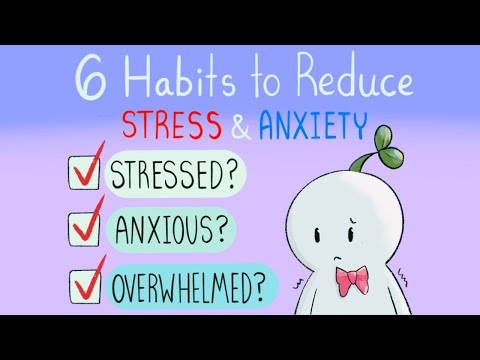
You know those days when everything feels just a bit too much? Yeah, we all have them. Stress can creep in like an uninvited guest, grabbing hold of your thoughts and emotions.
It can mess with your sleep, drain your energy, and even impact your relationships. Seriously, it’s wild how something that starts in your head can spill over into every corner of your life.
But here’s the thing: you’re not alone in this. Everyone grapples with stress at some point. The good news? There are ways to cope that don’t involve drastic changes or fancy retreats.
Let’s talk about how we can tackle this together and reclaim our well-being!
10 Effective Strategies to Manage Stress: Practical Tips for Everyday Life
Managing stress is like trying to tame a wild animal. It has its ups and downs, but with the right strategies, you can learn to cope better. Everyone deals with stress in their own way, but there are some practical tips that can help you navigate through those tough times.
- Deep Breathing: Seriously, just focusing on your breath can do wonders. Taking a few moments to breathe in deeply through your nose and out through your mouth helps calm your mind. Think of it as hitting the reset button.
- Exercise: Moving your body releases endorphins, which are basically nature’s happy pills. Whether it’s running, dancing, or even just walking around the block, getting active can totally shift your mood.
- Meditation: It sounds fancy, but meditation is just about taking a break to be quiet and focus on the present. You don’t have to sit cross-legged on a mountain; just five minutes of quiet reflection can help clear mental clutter.
- Time Management: Often feeling overwhelmed is about not managing time well. Break tasks into smaller chunks and prioritize them. You know how satisfying it is to check things off a list? It makes you feel accomplished!
- Saying No: This one can be hard! But if you’re already stretched thin, it’s okay to decline extra commitments. Your time is valuable—guard it fiercely!
- Connect with Others: Sharing what’s stressing you out with friends or family helps lighten the load. Sometimes just venting can make all the difference. Plus, others might offer perspectives you hadn’t thought of.
- Avoid Unhealthy Coping Mechanisms: It’s tempting sometimes—like reaching for ice cream or zoning out in front of the TV for hours—but these aren’t real solutions! They might provide temporary relief but could end up causing more stress later.
- Practice Mindfulness: This means being aware of the moment without judgment. Whether you’re eating, walking, or even washing dishes, paying attention fully can really ease anxiety.
- Create Boundaries: Knowing when to step back from certain situations or people that drain your energy is crucial for maintaining well-being. Protecting your emotional space isn’t selfish; it’s necessary!
- Cultivate Hobbies: Engaging in activities you love brings joy and distracts from stress. Whether it’s painting, gardening, or gaming—do more of what makes you happy!
Stress won’t disappear completely; that’s just part of life! But using these strategies regularly can make its effects less overwhelming and keep you grounded during turbulent times. You’ll see changes in how you respond when life throws curveballs at you! So go on—give some of these a try!
Top 5 Stress Management Techniques for Legal Professionals: Enhance Your Well-Being
Stress is like that annoying friend who just doesn’t get the hint to leave you alone. For legal professionals, it can feel like a constant companion, especially given the high stakes and tight deadlines they often work with. So, let’s talk about a few ways to manage that stress better and enhance your well-being.
1. Adopt Mindfulness Practices
Mindfulness is like training your brain to focus on the present moment. You can start with simple breathing exercises or meditation. Just sit comfortably, close your eyes, and take deep breaths. Imagine inhaling calmness and exhaling tension. It sounds simple, but seriously, even five minutes can help clear your head when things get overwhelming.
2. Stay Organized
Having a cluttered workspace? That might be adding to your stress without you even realizing it! Keeping things organized—whether it’s digital files or physical paperwork—can help you feel more in control of your workload. Consider using a planner or project management app to keep track of deadlines and prioritize tasks. Like, nothing feels better than crossing things off a list!
3. Set Boundaries
It’s super important to know when to say no. Legal professionals often wear many hats and take on too much work out of fear of letting someone down or missing an opportunity. But overcommitting can lead to burnout! Establish clear boundaries around work hours and stick to them as best as you can—this helps protect your personal time for relaxation or fun activities.
4. Physical Activity
You might not think hitting the gym is related to stress management, but trust me on this one—exercise releases endorphins that boost your mood! It doesn’t have to be intense; even a daily walk during lunch breaks can do wonders for clearing your mind and rejuvenating your spirit. Plus, it’s a great way to disconnect for a bit from all that legal jargon.
5. Seek Support
Don’t shy away from talking about what you’re feeling! Sharing with friends or colleagues can lighten the load considerably—even if it’s just venting about a tough day at court or discussing strategies for handling stressful clients. Sometimes just knowing someone else gets what you’re going through makes all the difference.
Incorporating these techniques into your routine might seem challenging at first—you know how habits can be tricky—but even small changes can have meaningful effects over time! And hey, remember: finding ways to cope with stress isn’t just about surviving in this field; it’s also about thriving in it!
Mastering Stress Management: The Essential Role of Effective Coping Mechanisms
Stress is an unavoidable part of life. You know, everyone experiences it in one way or another. But here’s the kicker: not all stress is created equal. There’s good stress, like the excitement before a big event, and then there’s bad stress, which can really take a toll on your well-being if you don’t know how to manage it effectively.
When dealing with stress, it’s super important to have some **effective coping mechanisms** up your sleeve. These are basically strategies that help you handle stress in a healthier way. Let me share some common approaches:
- Problem-solving: This involves addressing the cause of your stress directly. For example, if work is overwhelming you because of deadlines, maybe breaking tasks into smaller parts can help.
- Emotional support: Talking to someone about what you’re going through can make a huge difference. Just sharing your feelings with a friend or family member can lighten the load.
- Distraction: Sometimes, putting your mind on something else—like watching a funny movie or diving into a good book—can give you the breather you need.
- Mindfulness and relaxation: Techniques like meditation or deep breathing exercises can help calm your mind and reduce anxiety. Seriously, taking just five minutes to breathe deeply can change your day.
- Physical activity: Ever notice how going for a run or even just taking a walk feels good? Exercise releases endorphins that lift your mood and reduce stress levels.
Now imagine this: Picture yourself feeling overwhelmed by work and personal obligations. You’ve got that nagging tension in your shoulders and you’re just exhausted — both mentally and physically. But then you remember to take 10 minutes to breathe deeply, focusing only on your breath as it flows in and out. It’s like magic! Suddenly, things feel more manageable.
The thing is, finding the right coping mechanism for you might take some trial and error. What works wonders for one person might not resonate at all with another. That’s completely normal! The key is being open to trying new strategies.
Additionally, keeping an eye on **self-care** is crucial too! Skipping meals or cutting back on sleep because you’re stressed isn’t going to help anyone; it’s more likely gonna spiral into even more stress later on! Nourishing yourself properly—eating well and sleeping enough—is foundational.
Finally, don’t forget about setting boundaries too! Sometimes we take on too much because we feel guilty saying no to others’ requests. Learning when to say “not right now” can save you from drowning in obligations.
In summary, mastering stress management really comes down to knowing which coping mechanisms work best for you—and giving yourself permission to use them without guilt! By being proactive about how we handle stressors in our lives, we set ourselves up for better emotional health and overall happiness long-term. So next time you feel that familiar tension creeping in, remember: you’ve got options!
Stress, man. It’s like that unwanted guest who shows up uninvited and just won’t leave. We all feel it, right? Sometimes it sneaks up on you when you’re juggling deadlines at work or dealing with a family crisis. You know the feeling—like your heart’s racing and your brain’s running a marathon while you’re just sitting there, trying to chill.
The thing is, stress isn’t just an annoyance; it can really mess with your head and your body if it sticks around too long. You might get headaches or feel more irritable than usual. Remember that time when you snapped at a friend over something trivial? Yeah, that might’ve been stress working behind the scenes.
Coping with psychological stress is about finding ways to deal with it—like picking up tools in your mental toolbox. Some people swear by exercise, while others find peace in hobbies like painting or gardening. I once had a buddy who started baking as a way to escape his work-related anxiety. He’d whip up these incredible cakes! Baking became his little sanctuary where he could focus on something sweet instead of the heavy stuff pulling him down.
But here’s where it gets tricky: not all coping mechanisms are created equal. Some folks might turn to unhealthy habits like binge-watching shows for hours or scrolling endlessly through social media as a distraction. It feels good in the moment, but they usually end up feeling worse later on—more stressed and even guilty about not being productive.
And let’s talk about sleep! Stress can rob us of those precious Z’s, and trust me when I say that lack of sleep makes everything feel ten times worse. When you’re exhausted, even minor challenges seem overwhelming.
Looking out for yourself becomes super important when life gets rough. Talking things over with someone—a friend or family member who’ll listen without judgment—can be such a relief. There’s something magical about putting your feelings into words; it lightens the load a bit.
Ultimately, stress affects us all differently based on our personalities and what’s going on in our lives. But over time, learning to cope effectively can really boost our overall well-being. Just don’t forget: you’re not alone in this wild ride called life! Finding balance takes time and practice, but every little step counts toward feeling better.