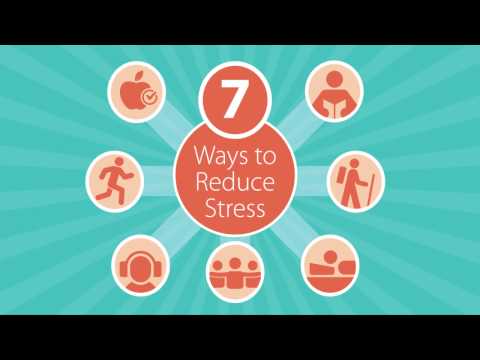
Feeling overwhelmed, huh? It happens to the best of us. Life’s got a way of piling up stress like those dishes in the sink you keep avoiding.
But what if I told you there are some pretty cool tricks to help you chill out? Seriously, it doesn’t have to be all about meditation or yoga—though those can help too!
Imagine sitting back, taking a deep breath, and just letting go of all that tension. Sounds good, right? Let’s chat about some simple ways to tackle that stress monster lurking around. You’re not alone in this!
Top 5 Stress Management Techniques: Effective Strategies for Legal Professionals
Stress is a common companion for legal professionals—really, it’s like that one friend who overstays their welcome. But managing stress is super important for your well-being and performance. Here are some techniques that might just help you keep the pressure in check.
Meditation is like a reboot for your mind. Seriously, taking just a few minutes to focus on your breath can help clear the mental clutter. Imagine sitting quietly with your eyes closed, breathing slowly. It’s amazing how this can make everything feel a bit more manageable. With consistent practice, it can really lower anxiety levels.
Physical Activity can’t be overlooked. When you move, whether it’s a brisk walk or hitting the gym after work, your body releases those nifty chemicals called endorphins. You know, the “feel-good” hormones? Plus, it gives you a break from those never-ending legal documents. Just think about how good it feels to shake off the day’s stress by getting active.
Time Management is crucial in the legal world. It’s like trying to juggle flaming torches while riding a unicycle—pretty tricky if you don’t have a solid plan! Using tools like calendars or apps to prioritize tasks can make all the difference. When deadlines loom large, breaking tasks into smaller chunks can help dodge that overwhelming feeling of doom.
A Healthy Support System matters too! Chatting with peers or friends who understand your world can be comforting. Sharing experiences offers relief and maybe even some laughs over shared stressors (like long hours and tight deadlines). It’s great to let off steam with someone who gets what you’re dealing with.
Finally, Mindfulness Practices should not be ignored. This involves being present and fully engaged in whatever you’re doing—it could be as simple as sipping coffee mindfully rather than gulping it down while reading emails at lightning speed! Practicing mindfulness helps reduce distraction and promotes clarity of thought—perfect for complex legal issues that need your full attention.
Incorporating these techniques into your daily life might take some effort but trust me; they can seriously ease the stress that comes with being in the legal profession. So, give them a try and see what works best for you!
Effective Strategies for Quick Stress Relief: Your Guide to Managing Tension
Stress. We all feel it sometimes, don’t we? Honestly, it can hit you like a wave—unexpected and overwhelming. But don’t sweat it; there are plenty of effective strategies to help you chill out quickly when tension starts to rise. Let’s break this down together.
Deep Breathing is one of the simplest yet most effective ways to calm yourself down. When stress hits, your body goes into fight-or-flight mode, which messes with your breathing. Try this: inhale deeply through your nose for a count of four, hold for four, and then exhale through your mouth for another count of four. Seriously, just a few cycles of this can work wonders.
Another great technique is Progressive Muscle Relaxation. This is where you intentionally tense and relax different muscle groups in your body. Start from your toes and work up to your head. You’ll notice areas that hold tension, like your shoulders or jaw. Just focusing on relaxing those muscles can help ease the overall stress you’re feeling.
Then there’s Meditation. I know what you might be thinking—“I can’t sit still!” But meditation doesn’t have to mean sitting on a mountain top for hours. Even five minutes can help clear your mind and lower those stress levels. Just find a quiet spot, close your eyes, and focus on your breath or a simple mantra like “I am calm.”
Also consider Mindfulness Techniques. These involve paying attention to the present moment without judgment. It could be as simple as savoring the taste of food while you eat or focusing on how the ground feels under your feet during a walk outside. It’s all about grounding yourself in the here and now—a total game changer when you’re feeling overwhelmed.
Now let’s not forget about Physical Activity. It doesn’t have to be an intense workout; even just walking can get those endorphins flowing and clear your head. Trust me; moving around helps shake off that nervous energy.
And hey, don’t underestimate Social Support. Sometimes talking it out with someone who gets you can lighten that heavy weight on your shoulders. A quick chat with a friend or family member can make all the difference.
Finally, keep an eye on Your Environment. Sometimes stress comes from external chaos—so if you’re in a cluttered space or loud environment, take some time to tidy up or find some peace and quiet.
In short, finding ways to relieve stress quickly is totally doable! The key is figuring out what works best for you because everyone’s different. So give these strategies a shot next time life throws some tension your way! You might find that they make things feel just a bit more manageable.
10 Effective Strategies to Manage Stress and Enhance Well-Being
Sure! Let’s chat about some effective strategies to manage stress and boost your well-being. Life can be overwhelming sometimes, right? But there are ways to tackle that stress and feel better. Here we go!
1. Deep Breathing
One of the simplest ways to calm your mind is through deep breathing. Seriously, take a moment to just breathe deeply in and out. It sounds easy, but it really helps slow down your heart rate and reduce tension.
2. Mindfulness Meditation
This isn’t just a trendy thing; it actually works! Mindfulness means focusing on the present moment. You can sit quietly for a few minutes and pay attention to your thoughts without judgment. It helps you step back from stressors.
3. Regular Exercise
Moving your body can be a game changer for stress relief. Whether it’s jogging, dancing, or even just taking a walk around the block, exercise releases endorphins that boost your mood.
4. Connect with Others
You know how talking things out with friends makes you feel lighter? That’s because social connections are super important for mental health. Share what’s bothering you or just have some fun together—either way, it helps!
5. Set Boundaries
Sometimes you gotta say no! If you’re overwhelmed with tasks or responsibilities, learn to set limits on what you can handle without feeling like you’re drowning.
6. Pursue Hobbies
Engaging in activities you love throws some joy into your day-to-day life! Whether it’s painting, knitting, or playing an instrument, spending time doing what makes you happy can seriously reduce stress.
7. Get Enough Sleep
Never underestimate the power of sleep! Not getting enough rest can make everything feel worse than it really is. Aim for those recommended 7-9 hours to help reset your mind and body.
8. Nutrition Matters
Eating well not only fuels your body but also your brain! Foods rich in omega-3s (like fish) and antioxidants (like berries) can improve mood and reduce anxiety.
9. Time Management
Feeling stretched thin? Often it comes down to how we manage our time! Make lists or use planners to organize tasks so they don’t pile up unexpectedly—leading to less stress overall.
10. Seek Professional Help When Needed
There’s no shame in reaching out for help if things get too heavy to carry alone! Therapists or counselors provide tools and strategies that are tailored for you personally.
So there you have it—ten strategies that can help bring some balance back into your life when stress starts creeping in! Remember, it might take some trial and error before finding what works best for you, but that’s totally okay too!
Stress is like that uninvited guest who just won’t leave the party, right? We all feel it at some point, whether it’s from work deadlines, family issues, or just life throwing us a curveball. Honestly, finding effective stress relief feels like searching for a comfortable couch in a cluttered room. You know it’s there; you just have to dig a little.
There are plenty of psychological techniques out there that can help you tackle stress head-on. One of the most popular ones is mindfulness. It’s like hitting pause on your busy thoughts and focusing on the present moment. Imagine being at a coffee shop, sipping your drink, and instead of letting your mind race with worries about tomorrow, you just soak in the aroma and feel the warmth of the cup in your hands. It’s pretty refreshing!
Then there’s cognitive restructuring. That sounds fancy, but really it’s about changing how you think about stressful situations. So instead of saying, “I can’t handle this,” try thinking “This is tough, but I can get through it.” I remember when I had to give a presentation in college. My brain was screaming «disaster!» but I flipped that script and told myself it was an opportunity to share ideas. And guess what? It went way better than I anticipated.
Another good one is deep breathing—all those calming breaths really do work wonders! Picture this: you’re stuck in traffic after a long day. Instead of fuming about being late (which isn’t fun), take a few deep breaths in through your nose and out through your mouth. Suddenly, that traffic jam becomes less of a personal vendetta against you and more like just another part of the journey.
And let’s not forget about social support; talking things out with friends or family can be incredibly comforting. Sometimes just venting helps to lighten that load we carry around daily.
So yeah, stress relief isn’t one-size-fits-all; what works for one person might not resonate with another. The key is trying different techniques until you find what clicks for you!