Stress, right? It’s that annoying little monster lurking around in our lives. One minute you’re chilling, and the next? Bam! You’re juggling deadlines, family squabbles, or even a worldwide pandemic.
You know that feeling when your heart races, your palms sweat, and you just want to scream? Yeah, that’s stress doing its thing. It’s like a switch flips inside you—your brain goes into overdrive, and suddenly everything feels overwhelming.
But wait! There’s more to it. Ever wonder why some people handle stress like pros while others crumble? It all comes down to how we react and cope with those tough moments.
Let’s chat about what’s going on inside our heads when stress kicks in and the different ways we deal with it. Trust me; it’s a wild ride worth exploring together!
Essential Coping Mechanisms: Strategies for Managing Stress and Enhancing Well-Being
Stress is like that uninvited guest who shows up at the party and just won’t leave. It can sneak up on you, pile on anxiety, and make you feel overwhelmed. But here’s the thing: we all have ways to deal with this pesky visitor. These strategies are called coping mechanisms, and they’re essential for managing stress and boosting well-being.
1. Healthy Distraction
Sometimes, you just need to take your mind off things. Engaging in a hobby or an activity you enjoy can lift your mood. Whether it’s painting, playing an instrument, or even diving into a good book, these fun escapes can give your brain a break from stress.
2. Mindfulness and Meditation
Ever tried just sitting still and focusing on your breaths? Mindfulness helps you stay present instead of worrying about the past or future. You don’t have to be a guru; even five minutes of deep breathing can ground you when life gets hectic.
3. Physical Activity
Remember that time when you felt all pumped after a workout? Exercise is like magic for stress relief! It releases endorphins—those feel-good chemicals that lift your spirits. A simple walk around the block or dancing in your living room can work wonders.
4. Social Support
Talking it out with friends or family can lighten the load. Just knowing someone’s got your back feels good! Whether it’s venting about a rough day or sharing laughs over coffee, connection matters.
5. Time Management
Got too much on your plate? Organizing tasks helps prevent overwhelm. Make lists (even if they’re just scribbled notes). Prioritize what needs doing now and what can wait—breaking things down makes them feel more manageable.
6. Positive Self-Talk
What do you say to yourself during tough times? Negative self-talk can be nasty! Instead of putting yourself down, try flipping that script with positive affirmations—it changes everything! Remind yourself of past successes; boost your confidence as if you’re rooting for a friend.
7. Professional Help
Sometimes, dealing with stress alone isn’t enough—you know what I mean? Seeking help from a therapist or counselor isn’t a weakness; it’s strength! They offer new perspectives and tools tailored just for you.
Feeling stressed is part of being human; everyone experiences it differently based on their lives and personalities—that’s normal! By grabbing onto these coping mechanisms, you’re not only managing stress but enhancing overall well-being too!
So go ahead—try adopting some of these strategies into your daily routine! There’s no one-size-fits-all here; personalize them as needed! You got this—the key is in finding what works best for you.
Effective Coping Mechanisms: Practical Examples for Stress Management and Emotional Resilience
Coping with stress is something we all deal with, right? Whether it’s a tough day at work, family drama, or just the everyday hustle, knowing how to manage stress can really help maintain your emotional balance. So let’s break down some effective coping mechanisms that can bolster your resilience and help you ride out those waves of anxiety.
Understanding Stress Reactions is key to knowing how to cope. When you’re stressed, your body goes into “fight or flight” mode. This means that your heart races, your muscles tense up, and your brain gets super alert—like being chased by a bear! It’s natural but not always helpful in our modern lives. You want to turn off that alarm bell in a healthy way.
One great way to cope is through mindfulness and meditation. This isn’t just for yoga enthusiasts! You can simply sit quietly and focus on your breath for a few minutes. It’s amazing how slowing down can help clear the mental clutter. Research shows that practicing mindfulness can lower cortisol levels—the stress hormone—and enhance overall wellbeing.
Another solid strategy involves physical activity. When you exercise, your body releases those feel-good chemicals called endorphins. Think about going for a jog or just dancing around in your room—it gets the blood pumping and helps shake off tension. Seriously, even a brisk walk around the block can make a difference.
Then there’s social support. Connecting with friends or family during stressful times can really boost your mood. Just chatting about what’s bothering you—whether it’s venting or laughing together—can lighten the load. Remember that feeling of relief when you tell someone what’s on your mind? That’s not just coincidence; it works wonders.
Now, let’s talk about time management. Life gets busy, doesn’t it? Juggling work deadlines and personal obligations can feel overwhelming. An effective way to cope is by prioritizing tasks and breaking them down into smaller steps. Instead of thinking “I have so much to do,” try focusing on one task at a time—like finishing that report before diving into emails.
Another tool in the kit is positive self-talk. The voice in your head matters! If you keep saying “I can’t handle this,” guess what? Your brain believes it! Shift gears and say things like “I’ve got this” or “I can take this one step at a time.” It sounds simple but really impacts how you respond to challenges.
Lastly, don’t underestimate the power of creative outlets. Engaging in hobbies—be it painting, writing, or playing music—can be incredibly therapeutic. Expressing yourself through creativity helps release pent-up emotions and feels cathartic.
So yeah, using these coping mechanisms might not make life perfect—but they definitely give you tools to manage stress more effectively. The thing is, it takes practice. Just like getting good at anything else! Try mixing different strategies until you find what clicks for you—it might end up being a fun journey of self-discovery along the way!
The Body’s Natural Reaction to Stress: Understanding the Fight-or-Flight Response
Stress can hit you like a ton of bricks, right? One moment you’re going about your day, and then boom! You’re tossed into chaos. What you’re feeling is your body’s natural reaction to stress, often referred to as the fight-or-flight response. It’s like an internal alarm system that gets triggered when you’re facing a threat.
So, what is this fight-or-flight thing, anyway? Basically, it’s your brain sending signals to your body that something’s up. When you encounter a stressor—like maybe you’re about to give a presentation or see a dog barking at you—your body gets ready to react. Your heart races, breathing speeds up, and muscles tense. This response kicks in thanks to our trusty hormone buddies: adrenaline and cortisol. These hormones prepare you for action.
Let’s break it down a bit more:
- Adrenaline: This hormone gives you that jolt of energy. It’s like someone slapped an extra shot of espresso in your coffee! Your heart rate goes up, and blood flow increases so your muscles are ready for anything.
- Cortisol: Often called the stress hormone, cortisol helps regulate how your body uses energy during stressful times. It keeps things running while you’re on high alert but too much can be harmful.
- Physical symptoms: You might notice sweating, chills, or even butterflies in your stomach when stress hits. These are all part of getting you ready for whatever comes next!
Imagine this: You’re walking in the park and suddenly spot a snake slithering across the path. Instantly, your brain sends out those signals. You might freeze for a second or decide to bolt away from it! That reaction is primal; it’s built-in survival gear from our ancestors who needed it when faced with predators.
But not all stress is bad—some of it can actually help! Think about how athletes channel that fight-or-flight response before an important game or competition. They harness that rush to perform at their best.
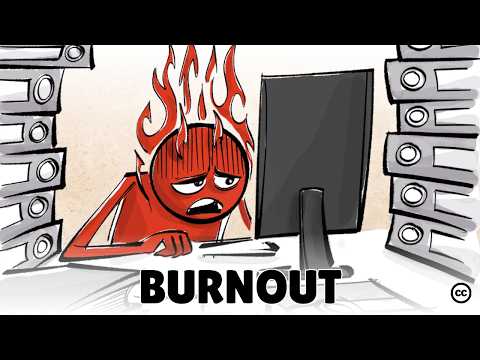
Now here’s where it gets tricky: if you’re constantly stressed—like during exams or tough work situations—the fight-or-flight response can become overactive. This could lead to long-term health issues like anxiety or burnout because the body isn’t meant to stay in that state forever.
You know what else? Coping mechanisms play a huge role here too! Whether it’s talking things out with friends or finding time for some yoga or mindfulness practices, these strategies help balance our reactions when life throws curveballs our way.
In short, understanding this body’s natural reaction is key because it helps us manage stress better. You get what’s happening inside when panic strikes—it’s not just chaos; it’s biology doing its job! When we grasp how things work under pressure, we’re better equipped to face those oh-no moments head-on without losing our cool completely.
Stress is a topic we all know too well, right? It’s like that annoying friend who shows up uninvited and just won’t leave. You might feel your heart racing, your palms sweating, or even that sinking feeling in your stomach when stress kicks in. But here’s the thing: stress isn’t just about what’s happening around you; it’s also about how your mind and body react to it.
Let’s say you’re cramming for a big exam. Your brain senses the pressure and suddenly goes into overdrive. That’s your body’s way of saying, «Hey there, we need to get ready to tackle this!» It releases hormones like cortisol and adrenaline, which can give you a boost of energy but also amplify anxiety. It’s like revving an engine—sometimes you need that power to get moving, but too much can lead to overheating.
Now think about how you typically cope with stress. Some people go for a run or hit the gym when they’re feeling overwhelmed. Others might binge-watch their favorite series or grab some junk food for comfort. These coping mechanisms are basically our way of dealing with the chaos around us. They can be healthy or not-so-healthy, depending on what you choose.
I remember one time, I was juggling work deadlines and personal issues all at once. I felt like I was drowning in my own thoughts! My initial reaction was to isolate myself—just curl up with a blanket and zone out on my phone for hours. But eventually, I realized that wasn’t helpful at all! So I hit the gym instead—turns out sweating it out does wonders for clearing the mind.
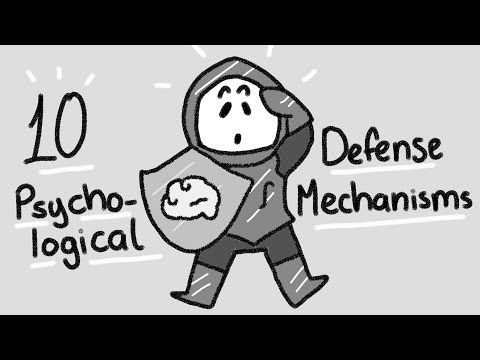
That little shift made me realize something important about coping: it’s really about finding what works for you personally. There are these psychological mechanisms at play behind our reactions too—like problem-solving strategies or emotional regulation techniques—that influence how we handle stressors.
In a nutshell? Stress can push us into fight-or-flight mode. But how we cope—whether by seeking support from friends or losing ourselves in another season of our favorite show—is totally up to us! It’s all part of being human, navigating through this beautiful mess we call life where one moment you’re stressed out, and the next you may find calmness in unexpected places. So embrace those coping strategies and take care of yourself!