Stress, right? It’s like that annoying friend who just won’t leave you alone. Everyone feels it, and honestly, it can be overwhelming sometimes.
You might be juggling work, family stuff, maybe a million little worries swirling in your head. Yep, I get it. Those days can feel like a lot.
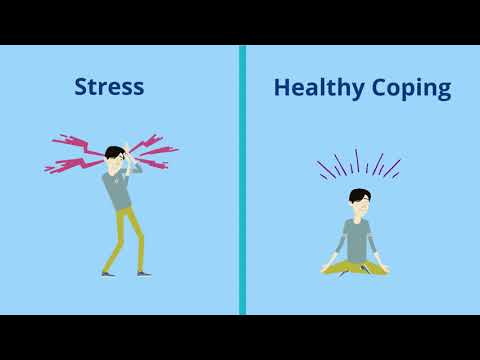
But here’s the thing: stress doesn’t have to run the show. We all have our ways of coping—some healthier than others. So let’s chat about some of those mechanisms we use to deal with it.
From laughing at silly memes to taking a breather in nature, there’s a whole toolbox out there waiting for you. So grab your favorite drink, and let’s explore how we can tackle this stress together!
Understanding Psychological Coping Mechanisms for Effective Stress Management
Stress, huh? It’s something we all deal with, and honestly, it can be a real pain. But there’s a toolbox we all have – those are our **coping mechanisms**. They’re like emotional first-aid kits that help us manage stress in different ways. Let’s break it down.
Coping mechanisms are strategies people use to deal with stress and difficult emotions. They can either be adaptive or maladaptive. Adaptive ones help you grow and handle stress better, while maladaptive ones might feel good at the moment but usually lead to more problems later on.
So, what are some examples? Here are a few:
- Problem-focused coping: This is all about tackling the issue head-on. For instance, if you’re stressed about an upcoming exam, studying can alleviate that pressure.
- Emotion-focused coping: Sometimes you can’t change the situation but need to deal with how it makes you feel. Think about talking to a friend after a bad breakup; it’s comforting and helps release those pent-up feelings.
- Avoidance coping: This is when you ignore the problem instead of facing it. Maybe binge-watching Netflix instead of dealing with overdue work sounds tempting—but it won’t make things go away!
- Seeking social support: Connecting with friends or family provides comfort during tough times. Remember when your buddy brought ice cream after a rough day? That’s support in action.
Now, let me tell you something personal here. I remember this one time when I was swamped with deadlines and felt overwhelmed—like seriously drowning in stress! Instead of diving into writing (which I dreaded), I took a break and tapped into some mindfulness techniques: just breathing deeply and letting my thoughts float away for a bit helped clear my head. It’s amazing how stepping back can give you fresh perspectives!
Self-care is super important too! Things like exercising, getting enough sleep, or even treating yourself to your favorite meal can work wonders for stress management.
And let’s not forget creative outlets! Whether it’s drawing, cooking, or dancing in your living room—expressing yourself can really help lift your spirits and distract from stress.
But here’s the thing: not every coping mechanism works for everyone or every situation. Sometimes it’s trial and error to find what fits best for you! Just think about what feels right for your unique situation.
In wrapping this up (kind of!), understanding these psychological coping mechanisms helps pave the way for better stress management. The more tools you have in your toolbox, the better prepared you’ll be when stress knocks at your door again!
Top 4 Effective Coping Mechanisms for Managing Stress in Legal Practice
Stress is a real thing, especially in the legal world. With deadlines looming, high-stakes cases, and long hours, managing stress becomes super important. If you’re balancing all this, some coping mechanisms can really help keep your head level. Here’s a look at four effective ways to deal with stress in legal practice.
- Mindfulness and Meditation: Taking a few minutes to focus on your breath or engage in mindfulness exercises can work wonders. Think about it: when you concentrate on what’s happening right now—like feeling your feet on the ground or noticing sounds around you—it helps pull you out of that relentless cycle of worry. Someone I know started meditating during lunch breaks and found it not only calmed her mind but also made her more focused for the rest of the day.
- Time Management: You might think this is just about planners and to-do lists, but it’s deeper than that. Knowing how to prioritize what needs your attention can significantly reduce stress. Imagine feeling overwhelmed by a case, but then realizing you can break it down into smaller tasks. It feels way less daunting! One lawyer I spoke with said using digital tools for task management helped him feel more in control.
- Physical Activity: Taking care of your body goes hand-in-hand with mental health. Regular physical activity—whether it’s hitting the gym or just taking brisk walks—releases endorphins that can lift your mood and reduce anxiety. A fellow attorney shared that he started jogging every morning, and he noticed he felt much clearer headed throughout long court days.
- Social Support: Don’t underestimate the power of friends, family, or colleagues who understand what you’re going through; having someone to talk to really makes a difference! Sharing stories over a coffee break or even venting about tough moments can relieve tension. I’ve seen how just chatting about challenges with coworkers creates camaraderie—and makes everyone feel like they’re not alone.
Finding which coping mechanisms work for you takes time and practice. Not every method will fit perfectly into your life right away—or ever—but experimenting is key. So give these techniques a try; who knows? You just might find a way to navigate stressful days more smoothly!
Effective Coping Strategies for Stress: Downloadable PDF Guide
Stress is something we all face, right? Whether you’re running late to work, juggling deadlines, or dealing with personal challenges, it can feel overwhelming at times. But don’t worry! There are ways to handle stress more effectively. Let’s break down some effective coping strategies that you can use.
Understanding Stress
So first off, what’s stress? It’s basically your body’s response to pressure. When faced with challenging situations, your brain releases hormones like cortisol and adrenaline. These chemicals prepare you to “fight or flight.” But when stress becomes chronic, it can lead to serious health issues. That’s why having good coping mechanisms is key.
Healthy Coping Strategies
1. Breathing Exercises: This is super simple but powerful! When you feel overwhelmed, try taking a few deep breaths. Inhale slowly through your nose for 4 seconds, hold for 4 seconds, and exhale through your mouth for another 4 seconds. It brings calmness.
2. Physical Activity: Get moving! Whether it’s a brisk walk, yoga, or dancing in your living room—exercise releases endorphins that boost your mood. Plus, it’s a great way to clear your mind.
3. Mindfulness Meditation: Mindfulness helps you focus on the present moment rather than worrying about the future or ruminating on the past. Just find a quiet place and observe your thoughts without judgment.
4. Talking It Out: Sometimes sharing what you’re going through can lighten the load significantly! Reach out to friends or family members who are good listeners. They might offer perspectives that help.
5. Journaling: Writing down your thoughts and emotions can be therapeutic! You don’t have to be Shakespeare; just let it flow on paper—it’s like talking but without a filter!
6. Setting Boundaries: Knowing when to say «no» is crucial if you’re feeling stretched thin. It protects your time and energy so you can manage stress better.
7. Pursuing Hobbies: Engaging in activities you enjoy—like painting, knitting or cooking—can act as a great distraction from stressors.
8.Sufficient Sleep: Never underestimate the power of sleep! A well-rested mind handles stress way better than one that’s tired and cranky.
9.Nourishing Your Body: Eating balanced meals plays a vital role in how you feel mentally too! Some foods can uplift your mood while others might drag it down.
10.Avoiding Substance Abuse:This one’s major—a glass of wine after a tough day might feel nice but relying on alcohol or drugs can lead to bigger problems down the line.
Coping with Stress: Real-Life Example
Imagine Sarah: she was feeling overwhelmed by work deadlines and personal issues—all at once! Instead of letting it consume her, she started practicing mindfulness meditation for ten minutes each morning and took up jogging after work each day. Not only did she feel more grounded during stressful moments at work but running also gave her an awesome sense of achievement!
The Bottom Line
Coping with stress doesn’t have one-size-fits-all solutions—you’ve gotta find what works best for you! Remember that it’s completely normal to seek help if things ever get too heavy—it doesn’t mean you’re weak; it’s just being human!
So next time life throws curveballs at you, armed with these strategies—you got this!
Stress, man. It’s like that annoying friend who just won’t leave you alone, right? Seriously, we all deal with it in different ways and sometimes it can feel pretty overwhelming. But here’s the thing: how you handle stress can really shape your mood, your health, and pretty much every part of your life.
Let’s say you’ve had a rough week—work deadlines piling up, maybe a family issue on top of that. One night, instead of hitting up your favorite comfort food or binge-watching a show for hours (which is tempting, for sure), you decide to go for a run. It’s chilly outside and the air feels fresh against your skin. As you run, it’s like the weight on your shoulders just starts to lift. That right there is one kind of coping mechanism—using physical activity to clear your mind and release some endorphins.
But not everyone finds solace in exercise. Some people might turn to artsy stuff like painting or writing their feelings down. You know that feeling when you put pen to paper and suddenly everything makes sense? It’s almost magical! Or maybe you’re more of a «call my best friend» type; talking it out can be super cathartic. Sharing what’s bothering you sheds light on those dark thoughts swirling around in your head.
Now let’s talk about less healthy ways we cope—like binge drinking or scrolling endlessly through social media. Yeah, they might feel good in the moment but often leave us feeling worse later. It’s kind of like putting a Band-Aid on a bigger wound instead of actually treating it.
There are also coping mechanisms that rely on mental strategies—or cognitive approaches if we’re being formal about it! Think positive affirmations or reframing negative thoughts into something more positive. When life throws lemons at you (and believe me, sometimes it feels like they’re aiming), telling yourself something empowering can help shift your perspective.
So what’s the takeaway here? Well, every person has different ways to tackle stress; there isn’t a one-size-fits-all plan. It’s all about finding what works best for you—and yeah, sometimes it’s trial and error! Experimenting with different methods can help reduce anxiety and build resilience over time.
Next time you’re feeling overwhelmed, think about how you’d rather cope—what do you think will help rather than hurt? Even if it’s picking up that old guitar or doodling in a sketchbook. Embracing those coping mechanisms might just turn that pesky stress into something manageable instead!