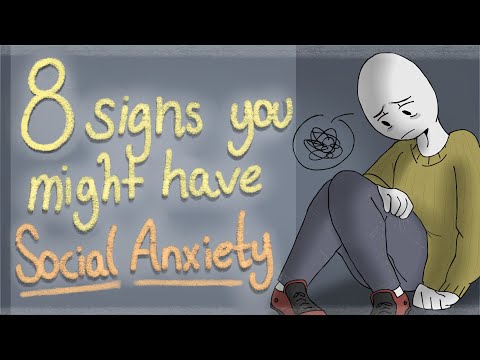
Hey! So, let’s talk about anxiety for a sec. You know how sometimes it feels like your brain just won’t chill? Yeah, that’s anxiety creeping in. It can pop up outta nowhere—maybe before a big presentation or even when you’re just chilling at home.
But here’s the deal: you’re not alone in this. Seriously, a ton of folks deal with it. And guess what? There’s some pretty cool research out there that can help us make sense of it all and find ways to cope.
We’ll dive into some insights from experts who study this stuff, and trust me, they have tips that might just help you breathe a little easier. So hang tight; we’re gonna tackle this together!
Understanding Anxiety: Definitions and Perspectives from Leading Authors
Anxiety can feel like this overwhelming wave that hits you out of nowhere, right? It’s that feeling when your heart races before giving a presentation or when you’re waiting for a big test result. So, let’s break down what anxiety really is and how it’s viewed by some leading authors in the psychology field.
Firstly, anxiety is often described as a normal response to stress. Think about it—when you’re faced with something challenging or threatening, your body gears up to handle it. There are two main types we usually talk about: state anxiety, which is temporary and linked to a specific event, and trait anxiety, which feels more like part of who you are over a longer period.
Leading authors have different takes on anxiety. For instance, Sigmund Freud, the father of psychoanalysis, believed that anxiety arises from unresolved internal conflicts. He thought it’s basically our subconscious trying to protect us from things we might not even realize are bothering us. Seriously, that’s the foundation of so much in psychology!
Cognitive behavioral theorists offer another perspective. They focus on how our thoughts influence our feelings and behaviors. According to them, anxious thoughts can create a cycle where you feel anxious about being anxious—it’s like getting stuck in quicksand! This perspective helps explain why we might avoid certain situations if they trigger those feelings.
- Anxiety as an exaggerated response: Leading thinkers like Aaron Beckemphasize that sometimes our minds blow situations out of proportion. You know when you’re convinced everyone is judging you at a party? Yup, that might be an example of distorted thinking feeding your anxiety.
- The physiological aspect: Others, including Diane Chuan, have pointed out the body’s physical responses—like sweating or shaking—as part of the equation. When your body thinks it’s in danger, it kicks into overdrive!
- Anxiety disorders: People will sometimes experience anxiety at such an intense level that it becomes disruptive. Authors like Ellen Springerfocus on these disorders—like generalized anxiety disorder (GAD) or panic disorder—and how they significantly affect daily life.
Coping with anxiety isn’t just about knowing what it is; it’s also about finding ways to manage it. Researchers suggest practices such as mindfulness and cognitive restructuring can help people reframe their anxious thoughts into something more manageable.
I remember once feeling totally overwhelmed before a big exam. I couldn’t sleep for days! But then I realized focusing on my study plan and breathing techniques helped calm my mind—it made such a difference! So yeah, while understanding how anxiety works is crucial, finding what helps you deal with it is also equally important.
The bottom line? Anxiety isn’t just one thing; it’s multi-faceted and viewed through various lenses by different experts. It’s all about figuring out which approach resonates with you and helps navigate those choppy waters when they come up!
Exploring the Different Types of Anxiety Disorders in Psychology: Understanding Symptoms and Treatments
Anxiety is one of those things that can really mess with your life, right? It’s not just about feeling nervous before a big presentation or a first date. It can be a serious condition that takes many forms. Let’s break down the main types of anxiety disorders, their symptoms, and some treatment options.
Generalized Anxiety Disorder (GAD) is when you feel excessive worry about everyday things. We’re talking about work, health, family—every single little thing can become a source of stress. You might find yourself constantly thinking, «What if?» This overwhelming worry can lead to physical symptoms like fatigue and muscle tension.
Then there’s Panic Disorder. With this one, you experience unexpected panic attacks—intense bouts of fear that come on suddenly. These attacks might make your heart race, cause sweating, or even make you feel like you’re choking. It’s super scary! People might avoid places where they previously had attacks because they fear having another.
Another type is Social Anxiety Disorder. If you have this, social situations feel terrifying. You might be overly worried about being judged or embarrassed in public. Imagine feeling paralyzed at the thought of speaking up in class or meeting new people at a party—it’s tough!
Specific Phobias are another category altogether. This is when there’s an intense fear of a specific object or situation—like spiders or flying. Even just thinking about the phobia can trigger anxiety. It’s not fully rational; it goes way past normal fear levels.
Now let’s touch on Obsessive-Compulsive Disorder (OCD). People with OCD often have unwanted thoughts that lead to compulsive behaviors—like excessive hand washing or needing everything in order. It’s like being stuck on a hamster wheel where you can’t get off until things feel “just right.”
Lastly, there’s Post-Traumatic Stress Disorder (PTSD), which can develop after experiencing or witnessing something traumatic. Symptoms often include flashbacks to the event and severe emotional distress at reminders of it.
When it comes to treatments for these disorders, they typically fall into two main categories: therapies and medications.
For many folks, Cognitive Behavioral Therapy (CBT) works wonders! This type of therapy helps change harmful thoughts and behaviors associated with anxiety. Think of it as retraining your brain to respond differently to stressors.
Then you have medications like SSRIs (selective serotonin reuptake inhibitors) which help balance chemicals in your brain that affect mood and anxiety levels. They can take time to kick in but are often effective alongside therapy.
And remember—everyone experiences anxiety differently! Finding the right strategy for coping is crucial. You might find mindfulness techniques help you chill out before anxious situations or maybe expressing yourself through journaling helps clear your mind.
Understanding these different types of anxiety disorders and their treatments isn’t just academic—it could really change how someone lives day-to-day! So if you think you’re struggling with any form of anxiety disorder, don’t hesitate to reach out for support from professionals who understand what it’s like.
Exploring the Latest Findings in Anxiety Research: A Comprehensive Review of Scholarly Articles
Anxiety research has been a hot topic in psychology lately. New findings pop up all the time, and they offer some real insights into how we cope with anxiety. So, what’s the latest buzz?
First off, researchers have been digging deep into the neuroscience of anxiety. They’ve found that certain brain areas, like the amygdala—yep, that little almond-shaped part—is super active when we’re feeling anxious. It’s like this alarm bell ringing in your brain saying, «Hey! Something’s wrong!» This can lead to physical reactions too; you know, that heart-pounding feeling when you’re stressed out.
Now, coping strategies are also getting a spotlight. Studies show that mindfulness techniques can be seriously helpful. It’s kind of like taking a mental timeout. When you focus on your breath or just chill out for a moment, it actually helps calm down that overactive amygdala. Think about how you feel after just a few minutes of deep breathing—you start to feel more grounded.
Another key point researchers are looking at is the relationship between anxiety and social support. Turns out having buddies around can make a massive difference in how we handle anxious feelings. When you talk it out with friends or family, your brain releases feel-good chemicals like oxytocin which help reduce stress levels. Suddenly those worries don’t seem so overwhelming anymore.
But here’s where it gets interesting: not all coping mechanisms are equal! Some studies suggest that while distraction can be helpful in the short term, it might not work long-term. For example, binge-watching your favorite show might take your mind off things for an hour or two—but what happens after? Those nagging thoughts often come creeping back!
And let’s talk about exposure therapy—it’s making waves in anxiety treatment research. Basically, this method involves gradually exposing yourself to things that make you anxious in a controlled way until they don’t freak you out as much anymore. It’s like learning to ride a bike; at first, it feels scary but over time it gets easier and less intimidating.
Also worth mentioning is the role of genetics—yup! Some folks might be more prone to anxiety due to their genes. Knowing this can really shift how people approach their own feelings of anxiousness and seek help.
Finally—and I think this is crucial—self-compassion has emerged as a game-changer in coping strategies. Instead of beating yourself up when anxiety strikes (which honestly never helps), researchers say treating yourself with kindness makes a huge difference in managing those feelings effectively.
In summary, there’s so much happening in anxiety research these days! From understanding brain activity to testing new coping strategies and emphasizing social connections—the insights from these studies give us powerful tools for managing anxiety better than ever before!
You know, anxiety is something that almost everyone deals with at some point, right? It can be that feeling of tightness in your chest when you’re about to give a presentation or the overwhelming urge to escape a crowded space. I remember the first time I felt it. It was during finals week in college. My heart raced, my thoughts were all over the place, and it felt like I was stuck in this loop of worry. I thought, «What if I fail? What if I forget everything?» It’s rough!
When we look at what psychological research says about coping with anxiety, it turns out there’s quite a bit of useful stuff out there. For one, researchers have found that understanding your triggers can be super helpful. Like when you’re aware of what specifically spikes your anxiety—be it social situations, deadlines, or something else—you can start to build strategies around them.
One interesting approach is called cognitive-behavioral therapy (CBT). Basically, it’s all about identifying negative thought patterns and flipping them on their heads. Instead of thinking “I’m going to mess up,” you could reframe it as “I’ve prepared for this.” Little shifts like that can ease the tension.
Also, mindfulness has been a hot topic in research lately. The idea is to stay present and notice your thoughts without judgment. You can take a few deep breaths and focus on sensations around you—like how warm the sun feels or the sound of birds chirping outside. Sounds simple but really works!
And get this: physical activity isn’t just for building biceps! Studies show that exercise releases endorphins which help boost your mood and reduce stress levels. So maybe hitting the gym or just taking a brisk walk could work wonders when anxiety creeps in.
But hey, let’s not forget about social support either! Having friends or family who get what you’re going through makes such a difference. There’s something comforting about knowing you’re not alone in facing those anxious moments.
In essence, anxiety might feel heavy and suffocating sometimes, but there are ways to navigate through it with awareness and practice. You don’t have to go through this journey solo either; reaching out for support is totally okay! So if you’ve got some tools in your toolbox—whether it’s talking things out with someone or tapping into mindfulness—you’ve already laid down some solid groundwork for coping with whatever life throws your way.