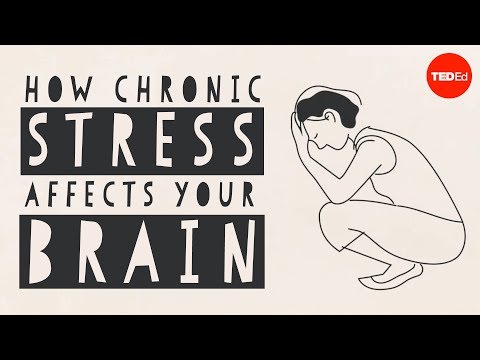
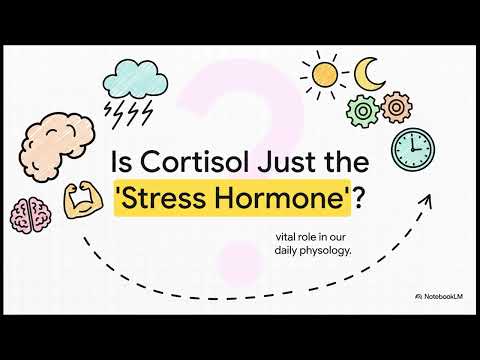
Hey! So, let’s chat about something that’s been on a lot of folks’ minds lately—cortisol. You know, that sneaky little hormone that spikes when we’re stressed?
It can totally mess with your mood, sleep, and even your health. Not cool, right?
But here’s the thing: there are ways to help keep cortisol in check.
We’ll look into some psychological strategies and even some supplements. Easy peasy!
By the end of this chat, you’ll be armed with some solid ideas to chill out that cortisol and feel a bit more like yourself again. Sounds good?
Effective Supplements for Lowering Cortisol and Reducing Belly Fat: A Comprehensive Guide
So, let’s talk about cortisol and that pesky belly fat, okay? Cortisol is often called the «stress hormone.» When you’re stressed out, it peaks in your body and can lead to a whole bunch of stuff, like weight gain—especially around the belly. Now, some people think that supplements can help manage it. But what’s really effective? Let me break it down for you.
First off, what do we really know about cortisol? Well, it plays a key role in your metabolism and helps manage stress responses. However, when it hangs around too long because of stress—like from work or personal issues—it can cause your body to store fat. Imagine eating pizza after a rough day; that’s cortisol messing with your choices!
Now onto those supplements. Here are some you might want to consider:
- Phosphatidylserine: It’s a natural phospholipid that helps lower cortisol levels and enhance cognitive function. Some studies suggest that taking it can help reduce stress and improve mood.
- Omega-3 fatty acids: Found in fish oil, these are known for their anti-inflammatory properties. They can also help reduce stress and may assist with lowering cortisol levels.
- Rhodiola rosea: This adaptogen herb is used to enhance resilience against stress. It might improve physical performance and also help lower cortisol.
- L-theanine: Commonly found in tea leaves, this amino acid promotes relaxation without drowsiness. It could potentially help balance cortisol levels during stressful situations.
- Magneisum: This essential mineral plays a role in hundreds of biochemical reactions in your body. Low levels have been linked with higher stress responses.
Okay, so let’s not forget the importance of a balanced diet and exercise. Seriously! Supplements alone won’t do the job if you’re eating junk food all the time or living on the couch.
You might be asking yourself how does all this really work? Well, imagine you’re feeling stressed out at work; maybe there’s a deadline looming over you like a dark cloud. Your body ramps up cortisol production as part of its fight-or-flight response. If this happens too often without an outlet—like exercising or chilling with friends—it leads to more fat storage.
Here’s the thing: alongside these supplements, mindfulness practices, like meditation or yoga, can be super helpful too! Taking just 10 minutes each day to breathe deeply or stretch can help lower those cortisol levels naturally.
In summary (not that I’m wrapping things up too neatly), managing cortisol involves both sensible supplementation and taking care of your mind as well as your body. So next time you’re feeling overwhelmed at work or home, remember those little changes make a huge difference!
Understanding the Symptoms of Elevated Cortisol Levels in Women: Key Insights and Implications
Cortisol, you know, is often called the «stress hormone.» It’s released by your adrenal glands and plays a crucial role in how your body responds to stress. But when cortisol levels are too high, especially in women, it can lead to some pretty uncomfortable symptoms.
So what’s going on when cortisol is elevated? Well, if you’re dealing with prolonged stress or anxiety, that can set the stage for an uptick in cortisol. Imagine your body being like a car stuck in high gear—running fast but not really going anywhere productive.
Here are some common symptoms of elevated cortisol levels:
- Weight Gain: Particularly around the abdomen. You might notice that despite eating well and exercising, it feels like those extra pounds just won’t budge.
- Sleep Issues: Insomnia or restless sleep can become frequent companions. Your mind races at night, making it hard to find that peaceful snooze.
- Mood Swings: You might feel irritable or anxious for no clear reason. It’s like being on an emotional rollercoaster.
- Fatigue: Even after a full night’s sleep, you might wake up feeling exhausted. It’s as if you’ve run a marathon in your dreams!
- Digestive Problems: Cortisol can mess with your gut health, leading to issues like bloating or even IBS symptoms.
This whole thing can feel overwhelming. Maybe you’ve found yourself snapping at friends or co-workers over little things? Or perhaps you’ve been struggling to focus on tasks because there’s this constant cloud of anxiety hanging above your head? These situations highlight just how deeply cortisol can impact both physical and mental health.
The implications of long-term elevated cortisol are significant. Chronic high levels can lead to serious health conditions like heart disease and diabetes over time. Plus, it’s not just about the physical—you might find yourself withdrawing socially or feeling less motivated overall.
If you’re wondering about strategies to bring those pesky cortisol levels down, there are a few options out there. Consider incorporating relaxation techniques into your routine: think yoga or meditation that helps quiet the mind and reduce stress. Also, regular exercise isn’t just good for the body; it helps lower cortisol levels too!
- Nutritional Supplements: Some people find relief using supplements like ashwagandha or omega-3 fatty acids which may promote lower cortisol levels.
- Adequate Sleep: Prioritizing good sleep hygiene is key—your body needs that restorative rest to regulate hormone production better.
If you ever feel stuck in this cycle of high stress and elevated cortisol, know that you’re not alone! Lots of people face these challenges at some point in life. Understanding what’s happening under the surface is half the battle; once you’re aware of those signs and symptoms, it’s easier to take steps towards balance.
The bottom line? Elevated cortisol isn’t something to ignore—it affects both physical well-being and mental health. So keeping an eye on stress levels and finding ways to manage them is super important!
Natural Supplements for Cortisol Reduction: Effective Solutions for Stress Management
Stress is one of those unavoidable parts of life, right? And when you’re stressed, your body produces more cortisol, often called the «stress hormone.» Too much cortisol can lead to a whole range of problems, including anxiety, insomnia, and even weight gain. You definitely don’t want that! So let’s take a closer look at some natural supplements that might help in reducing cortisol levels and managing stress.
First off, you’ve probably heard about ashwagandha. This herb has been used in traditional medicine for ages. It’s really thought to help balance cortisol levels. Some studies suggest that it can lower cortisol by up to 30%. Imagine feeling more relaxed just by adding this plant to your routine. A friend of mine tried it during exam season and talked about how it helped him chill out instead of freaking out.
Another one to consider is rhodiola rosea. This adaptogen helps your body adapt to stress and can enhance mood and energy levels. It’s like having a little cheerleader for your brain! Rhodiola may also improve stamina but remember every person’s body reacts differently.
Then there’s phosphatidylserine. It’s a fancy-sounding supplement that’s actually a phospholipid found in your cells. Some research shows it can help lower cortisol levels after intense exercise or stressful situations. So if you’re hitting the gym hard or feeling the pressure at work, this might be worth checking out.
Let’s not forget about fish oil. You know how everyone talks about the amazing benefits of omega-3 fatty acids? Well, studies have shown that they may also influence cortisol response during stressful times. Plus, they’re great for heart health too!
Oh! And then there’s L-theanine, an amino acid often found in tea leaves. Many people swear by its calming effects without making them drowsy—perfect for those moments when you need to stay focused but feel overwhelmed.
Despite all these options, you should keep in mind that **not all supplements work alike** for everyone. What helps one person might not do anything for another. It’s super important to listen to your body and see what feels right for you.
Also, combining these supplements with other strategies could be beneficial too! Things like meditation or deep breathing exercises can pack quite a punch against stress as well.
So yeah, natural supplements can be helpful tools in reducing cortisol levels and managing stress effectively. But remember: finding what works best for you is key!
Cortisol, huh? That pesky stress hormone has this way of sneaking up on us when life gets a bit too hectic. You know the deal: deadlines, family drama, traffic jams. It’s like cortisol is just waiting for the right moment to swoop in and mess with our chill. So when we talk about strategies to keep that cortisol in check, it’s not just about popping pills or taking some fancy supplements; it’s really about creating a lifestyle that hits the brakes on stress.
Let me share a little story. A friend of mine went through an intensely stressful period at work—long hours, demanding boss, and all that jazz. She started feeling exhausted all the time, and her doctor casually mentioned how high her cortisol levels were. Instead of just focusing on meds or supplements, she decided to try some practical changes. She started practicing mindfulness meditation—just ten minutes a day to calm her racing thoughts—and took up yoga because she heard it could help release tension. Slowly but surely, she began to feel more grounded.
So what can you actually do? Well, first off, let’s talk about lifestyle stuff like sleep and exercise. Those two are big players in managing cortisol levels. If you’re not getting enough sleep or if your workouts are lacking, your body might turn up the cortisol dial without you even noticing. Plus, regular physical activity helps your body deal with stress better; it’s like giving your brain a workout too!
Nutrition also plays a role here. Some foods can be really helpful in balancing hormones and keeping cortisol from crashing your party. Omega-3 fatty acids found in fish or flaxseeds? Totally beneficial! And don’t forget about those adaptogenic herbs like ashwagandha or rhodiola—they’ve gained popularity for good reasons since they might help lower those cortisol levels.
But here’s where it gets interesting: it’s not just about what you put into your body but also what you put into your mind! Regularly checking in on your mental health is key here too; make time for activities that make you feel good—whether that’s binge-watching cheesy rom-coms or getting lost in nature with friends.
And let’s remember the power of connection! Chatting with friends or family can act almost like therapy; sometimes a good laugh or venting session is all we need to lower that stress hormone a bit.
So yeah, tackling high cortisol levels isn’t just about grabbing supplements off the shelf—it’s like piecing together a puzzle with various approaches and being kind to yourself every step of the way. Maybe next time life tries to throw those stressors at you, consider how little changes can add up over time for some serious mental clarity and balance!