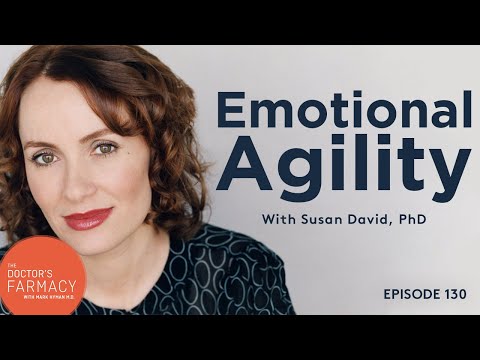
You ever feel like life’s tossing curveballs at you all the time? One minute you’re on top of the world, and the next, you’re stuck in a funk. Yeah, we’ve all been there.
Resilience is that nifty little skill that helps you bounce back. It’s about rolling with the punches, but it’s not just some magical trait you’re born with. So, what’s the secret sauce? Emotional agility!
Basically, it’s about how flexibly you handle your feelings and thoughts. Think of it as your emotional superpower. You’ve got ups and downs, sure, but with emotional agility, you can navigate through those waves a bit smoother.
In this chat, we’re diving into how to build that resilience through feeling and understanding your emotions better. Let’s unpack this together!
Mastering Emotional Agility: Understanding the 4 C’s for Personal and Professional Growth
Emotional agility is all about being flexible with your emotions. It’s that skill you need to handle life’s ups and downs without getting stuck in a rut. And while it might sound like a fancy term, at its core, it’s really about being aware of your feelings and using them as tools for growth. You know, instead of letting them dictate your actions.
Now, when you break it down, mastering emotional agility involves understanding the **4 C’s**: **Courage**, **Compassion**, **Curiosity**, and **Connection**. Let’s unpack these.
- Courage: This one is tricky but essential. Courage isn’t just about being brave; it’s also about facing your feelings head-on. Imagine you’re dealing with stress from work or school. Rather than shoving those feelings aside, you take a moment to sit with them. You ask yourself what they’re really trying to tell you. It’s like looking in the mirror and, instead of dodging your reflection, saying, “Okay, I see you.”
- Compassion: You gotta be kind to yourself. Picture this: you’re running late for a meeting and spill coffee on your shirt. Ouch! Instead of beating yourself up over it—like saying «I’m so clumsy»—you might think “Hey, everyone makes mistakes.” Compassion helps you treat yourself like you would treat a good friend who’s having a rough day.
- Curiosity: This one’s about exploring your emotions without judgment. Think of it as being an emotional detective! When you’re feeling down or anxious, instead of just trying to push those feelings away or hide them under the rug, get curious about what’s going on inside you. Ask questions! “Why am I feeling this way? What triggered this?” This approach can lead to greater self-understanding.
- Connection: Humans are social creatures after all! Sharing how you’re feeling with someone else can lighten the load and provide perspective. If something’s bothering you at work or home and you’ve been keeping quiet about it for too long, talking to a buddy can help diffuse that tension.
So picture this scenario—you’ve just had an argument with a close friend. Instead of sulking alone (which we all do sometimes), imagine if you took a breath (that’s courage!), allowed yourself not to feel ashamed (compassion), wondered why that argument upset you so much (curiosity), and reached out later to reconnect with your friend (connection). That shift can change everything!
The beauty of mastering these **4 C’s** is that they create resilience over time. Resilience isn’t just bouncing back; it’s learning how to adapt when things go sideways—a vital skill both in personal life and at work.
Think about times when you’ve felt overwhelmed by life’s challenges or work’s pressures. The odds are high that if you’d tapped into these four skills then, you’d have navigated things more smoothly.
All said and done, mastering emotional agility isn’t something you’ll achieve overnight—it takes practice! But once you’ve got the hang of it? Well, trust me when I say life will start feeling more manageable…not perfect but definitely more flowing!
Understanding Emotional Resilience: Key Strategies for Personal Growth and Well-Being
Emotional resilience is like a superpower you can develop over time. It’s all about bouncing back from life’s ups and downs. Think of it as your emotional spring that helps you recover when things get tough. You know those moments when everything feels heavy? That’s when resilience kicks in.
So, what exactly is emotional agility? Well, it means being in tune with your feelings without getting stuck in them. Like, imagine you’re feeling down about a job interview that didn’t go well. Instead of spiraling into self-doubt, you acknowledge that feeling and move on to focus on what you can learn from the experience.
Here are some key strategies for building that resilience muscle:
- Practice Self-Awareness: This means checking in with yourself regularly. Sit quietly for a minute and ask, «How am I really feeling?» Knowing your emotions helps you understand what triggers them.
- Stay Flexible: Life throws curveballs; it’s part of the game! The more adaptable you are, the easier it is to manage change. When plans fall through, embrace the twist; look for new opportunities instead.
- Seek Support: You don’t have to do it alone! Share what you’re going through with friends or family. Just talking about stuff can lighten the load.
- Focus on Solutions: Instead of dwelling on problems, shift your energy towards finding solutions. For instance, if you’re stressed about finances, brainstorm ways to save or increase income.
- Cultivate Optimism: It might sound cheesy, but looking for the silver lining can really help. When something goes sideways, try to find one positive aspect of the situation.
- Practice Mindfulness: You know those moments when you’re just lost in your thoughts? Mindfulness helps reel those thoughts back in. Simple breathing exercises or meditation can ground you and bring clarity.
To illustrate this point further—imagine Sarah who lost her job during an economic downturn. She felt crushed at first but leaned into her emotional agility by embracing her feelings instead of avoiding them. She reached out to friends for support and spent time reflecting on her skills and interests. Instead of getting stuck in despair about job hunting, she took online courses to expand her skills and ended up landing an even better position later!
Another important thing is self-compassion. Be kind to yourself during rough patches! Everyone has setbacks; you’re not alone in this journey.
Resilience isn’t something magical; it’s a skill set that involves practice and patience. So take small steps every day toward becoming more resilient! Whether it’s journaling your thoughts or reaching out for help, each little effort counts big time.
In essence, cultivating emotional resilience not only aids personal growth but also enhances well-being overall—a win-win situation!
Enhancing Emotional Intelligence and Resilience: A Comprehensive PDF Guide
Emotional Intelligence, or EQ, is all about understanding and managing your emotions and the emotions of others. You know, it’s that awareness that helps when you’re navigating tricky social situations or even just dealing with your own feelings. When you have a high EQ, you’re usually more in tune with what you’re feeling and why. This means you can respond to challenges in a healthier way.
Now, let’s talk about resilience. This is your ability to bounce back from setbacks. Life throws curveballs at everyone—job loss, relationship troubles, health issues—and resilient people seem to handle these better than others. They don’t just get back up; they often come out stronger.
So how do these two connect? Well, emotional agility is like the bridge between emotional intelligence and resilience. It’s about being flexible with your thoughts and feelings instead of getting stuck in negative patterns. When you practice emotional agility, you’re better equipped to face challenges without letting emotions control you.
Here are a few key points relating to cultivating both emotional intelligence and resilience through emotional agility:
- Acknowledge Your Emotions: You can’t manage what you don’t recognize. Start by naming what you’re feeling. If you’re anxious before a big presentation, say it out loud: «I’m feeling anxious.» Acknowledging this can sometimes take the sting out of it.
- Practice Empathy: Try stepping into someone else’s shoes for a moment. If your friend is upset over a breakup, don’t just offer solutions—listen to their feelings first. This builds your EQ and strengthens social connections.
- Reframe Negative Thoughts: Let’s say you bombed an interview—you could think «I’m terrible at this,» or instead «I have room to grow.» This simple shift can boost not only your mood but also your resilience.
- Create a Support Network: Having people who understand what you’re going through makes a world of difference. Friends or family who offer support can help reinforce both emotional intelligence and resilience.
- Practice Mindfulness: Being present helps ground you during emotional storms. Simple breathing exercises or even short meditations can enhance your awareness of emotions in real-time.
Let me tell you a little story here that might hit home: I once knew someone who lost their job unexpectedly. Instead of spiraling into panic (which would have been easy), they took some time to feel their emotions—anger, sadness—you name it! But then they quickly shifted gears towards planning their next steps instead of wallowing in despair. They used this setback as fuel for growth, taking courses related to their field until they landed an even better job! That’s some serious resilience fueled by emotional intelligence.
It’s all connected—the way we feel impacts how we respond when something goes wrong in our lives. Enhancing both emotional intelligence and resilience through practices like those mentioned above can really set you on the right path for tackling life’s ups and downs with grace! By building these skills together, not only do we improve ourselves but also create more meaningful connections with others around us—super powerful stuff!
Alright, let’s chat about resilience and emotional agility. You know, it’s like those moments when life throws something totally unexpected at you. Maybe it was a tough breakup or losing your job—things that feel like they hit you right in the gut. Remember my friend Jess? She went through a rough patch when her dad got sick. One minute, she was laughing and enjoying life, and the next, she had to deal with all this stress and uncertainty.
What really helped her was this idea of emotional agility. It’s kind of like being able to bounce back after getting knocked down but with an added twist. Instead of just shrugging things off or pretending everything’s okay, it’s about acknowledging how you feel—like really feeling those emotions instead of shoving them under the rug.
Emotional agility is about flexibility with your feelings. So let’s say you feel anxious about a big presentation at work. Instead of letting that anxiety consume you or pushing it away, emotional agility encourages you to accept it as part of your experience. You might think to yourself, “Hey, I’m anxious right now because this matters to me.” When you do that, you’re not just sitting in your emotions; you’re working through them.
Now here’s where resilience kicks in. By allowing space for those feelings without judgment, you’re actually building strength over time. It’s like lifting weights for your emotional muscles! You become more adaptable to change and better equipped to handle whatever life decides to throw at you next.
Being emotionally agile doesn’t mean you’re never going to feel down or overwhelmed; it just means you’ll have the tools to navigate those feelings more effectively. Think about Jess again—she started journaling her thoughts and even talking through her worries with friends instead of bottling things up. That openness helped her get out of that dark place faster than if she had just tried to tough it out alone.
So basically, cultivating resilience through emotional agility is a process that takes practice but can make a world of difference when times get tough. Acknowledge what you’re feeling and give yourself permission to navigate those feelings without guilt or shame—it’s a game changer!