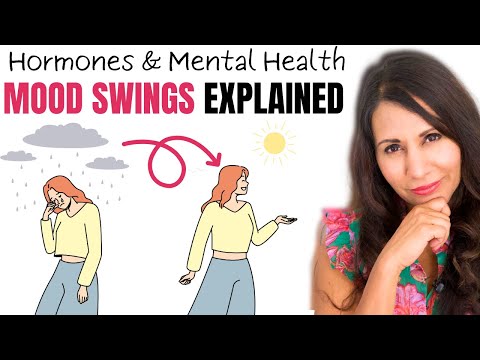
Have you ever noticed your friend acting really differently? Like, one minute they’re super hyped, and the next, they seem totally down?
That rollercoaster of emotions might be more than just teenage mood swings. Turns out, it could be something called bipolar disorder. And yeah, it’s not just an adult thing.
Adolescence is a tricky time. Everything feels amplified—happiness, sadness, you name it. But for some teens, those feelings can swing way too far in either direction.
So, how do you tell if it’s just typical teen drama or something deeper? Let’s unpack that!
Identifying Bipolar Disorder Symptoms in Teenage Girls: A Comprehensive Guide
Identifying bipolar disorder in teenage girls can be tricky. Sometimes, the signs can easily get mixed up with typical teen drama. But, knowing what to look for can really make a difference.
First off, let’s clarify what bipolar disorder is. It’s a mental health condition that causes unusual shifts in mood, energy, and activity levels. Basically, people with this disorder experience extreme highs (called mania or hypomania) and lows (depression).
One important thing to remember is that the symptoms can vary widely from person to person. In teenage girls, you might notice a number of telltale signs:
- Mood Swings: One moment they’re on top of the world—super energetic and chatty—and then they might crash into sadness for days. This isn’t just regular teenage moodiness; it’s more intense.
- Changes in Sleep Patterns: During manic phases, they might sleep less and feel fine. But during depressive times, they could sleep excessively or have trouble falling asleep.
- Risky Behavior: A girl experiencing mania might engage in reckless activities—like partying too hard, skipping school, or even impulsive spending—that she wouldn’t normally do.
- Difficulty Concentrating: In both manic and depressive phases, focusing on schoolwork or everyday tasks may become overwhelming. This could lead to lower grades or unfinished assignments.
- Irritability or Anger: A teenager might feel unusually irritable or angry during a mood shift. Little things that wouldn’t upset her before suddenly become huge deals.
Think about a girl named Sarah who seemed perfectly normal one week. She was excited about school plays and hanging out with friends. Then out of nowhere, she became withdrawn and stopped caring about things she used to love. Her parents noticed she was sleeping all day but couldn’t stay awake at night when her friends would text her.
Now the important thing is that these symptoms need to be consistent over time to consider it as bipolar disorder—not just a phase that lasts for a few days or weeks.
If you suspect someone close to you is dealing with this kind of challenge, it’s essential not to jump into conclusions right away but rather approach the situation gently. Starting an open conversation about feelings could help them feel safe sharing their experiences.
Additionally, reaching out for help from a mental health professional is key if symptoms seem severe or persistent. Only trained professionals can offer an accurate diagnosis after evaluating all the factors involved.
In essence, being aware of these signs can help identify bipolar disorder earlier in teenage girls and pave the way for effective management strategies down the line—because everyone deserves support when dealing with mental health challenges!
Identifying Early Signs of Bipolar Disorder in Young Adults: A Comprehensive Guide
Identifying early signs of bipolar disorder in young adults can be challenging, but it’s important. Getting the right insights can help with early intervention. Bipolar disorder often shows up in late adolescence or early adulthood. So, recognizing the symptoms early could be crucial.
Understanding Mood Swings
One of the first signs is extreme mood changes. You might notice someone going from really happy and energetic to feeling really low or irritable pretty quickly. These shifts can happen over days or even hours. For example, a friend might seem on top of the world one day, throwing a party and making big plans, then suddenly withdraw and seem depressed.
Increased Activity Levels
During manic episodes, people may experience increased energy. They might be more talkative than usual, sleep less, and chase after new ideas or projects that can feel a bit excessive. Imagine someone who starts several new hobbies at once but can’t stick with any of them because they get distracted so easily.
Impulsivity
Another sign can be acting on impulse without thinking things through. This could mean spending money they don’t have or engaging in risky behaviors like driving recklessly or substance use. Like that time your friend dropped a big chunk of cash on something completely unnecessary just because they were feeling invincible!
Changes in Sleep Patterns
Sleep issues are common too. During manic phases, they might not need much sleep at all—like going to bed at 3 a.m. and waking up full of energy just a few hours later! On the flip side, during depressive episodes, sleeping too much becomes a problem.
Difficulty Concentrating
You may notice difficulty focusing during these mood swings as well. They might jump from one thought to another without finishing what they started or struggle with tasks that require sustained attention—like studying for exams when their mind is racing.
Emotional Sensitivity
Emotional responses can also become heightened. A small criticism could feel like a huge blow during low phases while their joy during high phases might feel overpowering and euphoric.
The Importance of Early Recognition
Catching these symptoms early is key! Understanding what’s happening helps pave the way for better conversations about mental health among friends and family. If you notice these patterns in someone you care about, it could be helpful to gently bring it up without judgment.
Let’s face it: mental health discussions can feel awkward but keeping things open creates space for support! It’s all about fostering understanding rather than fear around moods and behaviors that seem intense or confusing.
If you’re feeling uncertain about what you’re seeing, talking to someone knowledgeable about mental health—like a counselor—can really help figure out next steps in a supportive way without jumping to conclusions too quickly.
Recognizing bipolar disorder isn’t about labeling anyone; it’s about compassionately understanding what’s going on beneath the surface!
Assessing Bipolar Disorder in Children: Comprehensive Quiz for Concerned Parents
Assessing bipolar disorder in children can be quite a ride. If you’re a parent feeling worried about your child’s mood swings, you’re not alone; many parents share these concerns. Recognizing the signs early on is crucial, and sometimes it starts with asking the right questions, you know?
When we talk about bipolar disorder, we’re usually referring to extreme shifts in mood, energy, and activity levels. It can look different in kids compared to adults. Kids might have periods of intense happiness or irritability followed by deep sadness or lack of energy. These shifts can happen quickly and may last for hours or even days.
Now, assessing this in children often begins with a **quiz** or checklist that focuses on various symptoms. Here are some key aspects to consider:
It’s important to keep track of how often these symptoms occur and how long they last. Sometimes kids have ups and downs due to typical developmental changes, but if it feels different—like way more intense—you’re right to pay attention.
An anecdote: I knew this kid named Jamie who was always either super happy or really low. At school, he’d go from cracking jokes one minute then being withdrawn the next. His teachers noticed it too—they kept seeing shifts that didn’t seem normal for his age group.
Well, when it comes to getting help, reaching out is key. A mental health professional can help sort through all these signs and get a clearer picture. They might use specific diagnostic tools tailored for young ones because what works for adults doesn’t always apply.
Being proactive is essential; don’t just brush it off as «a phase.» Talking openly about your concerns with doctors who specialize in children’s mental health could lead you toward understanding what’s happening with your child.
In sum, assessing bipolar disorder means watching for those patterns in moods and behaviors that seem out of place compared to other kids their age. Keeping an eye on changes will guide you as you seek help—a journey worth taking if it leads to better days ahead for your child!
You know, recognizing bipolar disorder symptoms in adolescents can be a bit of a tricky thing. One minute, your kid might seem like they’re on top of the world, bursting with energy and ideas. The next minute? They could crash into a slump that feels like a heavy blanket weighing them down. It’s really tough as a parent or caregiver to navigate those ups and downs without feeling completely lost.
Think about it: teenagers are already dealing with so much – school stress, friendships that can turn on a dime, and all those changes happening in their bodies. So when you add mood swings that feel more extreme than the typical teen angst, it can look just like regular teenage behavior at first glance. You might see them bouncing off the walls one day and then withdrawing into their room for days on end. It’s hard not to jump to conclusions or chalk it up to typical teenage drama.
I remember talking to a friend about her son who seemed fine one week but then started having these huge mood swings. He’d go from feeling invincible—taking risks like he was on top of the world—to crashing into deep sadness where nothing seemed to matter anymore. For her, figuring out what was going on felt like trying to solve a puzzle with missing pieces.
So what are some signs you might notice? Well, during those high-energy phases—called manic episodes—adolescents might talk really fast or have racing thoughts. They may get super irritable and do stuff that seems out of character for them; you know? Like spending money they don’t have or engaging in risky behaviors because they just feel invincible. Then flip it around and during depressive phases, they could struggle with low energy and have trouble concentrating or finding joy in things they once loved.
It’s important to remember that not every mood swing means there’s something serious going on. Teens can go through emotional turmoil for all sorts of reasons—it’s just part of growing up! But if those swings feel extreme or last longer than what seems normal for your kiddo, it might be time to pay attention.
Checking in with trusted professionals who understand mental health can help you figure things out—it’s definitely not about labeling but more about understanding how best to support your teen when they need it most. Awareness is key; recognizing these patterns early can bring some comfort and guidance not only for them but also for you as someone who’s there for them through thick and thin.
So when in doubt? Just keep talking with them and creating an open space where they feel safe sharing what they’re going through—even if at times it feels like you’re living in an emotional roller coaster! It’s all about connection and support during this crazy journey called adolescence.