Okay, so, let’s chat about something that doesn’t get enough airtime—bipolar disorder in women. You know, it’s one of those things that can really mess with your head.
Imagine feeling on top of the world one minute and then crashing down the next. It’s like riding an emotional rollercoaster you never signed up for!
And the tricky part? Women often have different experiences with it than men do. Like, hormonal changes and life events can really stir things up.
So, how do you spot the signs? Let’s break it down together and shine a light on this important topic.
Understanding the Thought Processes of Individuals with Bipolar Disorder: Insights and Perspectives
Understanding what goes on in the minds of individuals with bipolar disorder can be quite complex. Basically, it’s like living in a world where your emotions are on a crazy rollercoaster ride. You know what I mean?
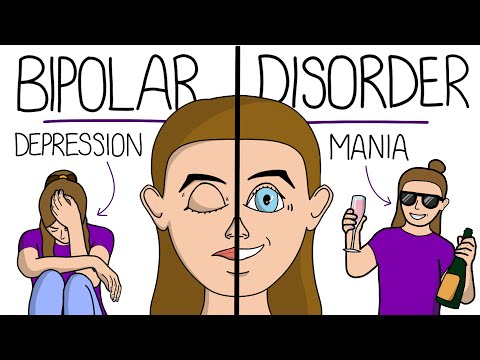
Bipolar disorder is often characterized by intense mood swings, and these swings can vary widely. You might experience feelings of extreme happiness or energy, often called mania, which can last for days or weeks. Then, there’s the other side: deep periods of depression that can feel like you’re stuck in mud that just won’t budge.
During manic episodes, people might feel invincible. They could have tons of ideas and projects they want to start but may not finish anything because their focus can shift quickly. For instance, let’s say someone gets super excited about writing a novel. They might stay up all night pumping out pages but then suddenly crash into a feeling of hopelessness days later when they struggle to write anything at all.
When it comes to depression, it’s like everything is dull and grey. Tasks feel overwhelming—simple things like getting out of bed or even showering seem monumental. It’s hard to understand how a person who was just so full of life could suddenly feel this way, but that’s the reality for many.
Now, let’s talk about women specifically because their experiences with bipolar disorder can differ from men’s in several ways:
- Hormonal fluctuations: Changes during menstrual cycles, pregnancy, or menopause can exacerbate symptoms.
- Social expectations: Women often face pressure to fulfill roles that might add to stress during mood changes.
- Diagnosis delays: Sometimes, symptoms are overlooked or misdiagnosed because they align too closely with “typical” emotional responses women are expected to have.
It’s really important to recognize these points and understand how unique each person’s experience can be. The thought processes during these ups and downs are shaped by many factors—like social situations or even personal history.
For instance, during mania, some individuals might take risks they wouldn’t usually consider—like quitting their job impulsively or making large purchases without thinking things through. On the flip side, during depressive states, negative thoughts can spiral out of control; you know, self-doubt creeps in and takes over.
In relationships, navigating this condition can be tough both for those with bipolar disorder and their loved ones. Sometimes loved ones struggle to comprehend why someone isn’t acting «normal,» leading to frustration or even creating distance in those relationships.
Awareness is key here! Understanding the thought processes involved helps create empathy—not just for those experiencing bipolar disorder but also for people around them trying to support them through these fluctuations.
At the end of the day though—recognizing symptoms early is crucial! Early recognition allows for better management strategies and treatment plans tailored specifically for individuals’ needs. So staying informed about what bipolar disorder looks like—especially in women—is an essential step in fostering understanding and compassion around mental health issues.
Understanding Bipolar Disorder Symptoms in Females: Key Insights and Significance
Bipolar disorder can be a real challenge, especially for women. It’s crucial to understand how it works and what symptoms to look for. So, let’s break it down a bit.
Bipolar disorder is characterized by extreme mood swings that can include emotional highs (mania or hypomania) and lows (depression). These shifts can affect how you feel, think, and behave. For females, the signs might show up differently than they do in males.
- Manic episodes: During a manic phase, you may feel overly energetic or excessively happy. Think of it like when you’re on a sugar rush, and everything feels possible. You might take on too many projects or spend money without thinking twice.
- Hypomanic episodes: This is a milder version of mania. You may still feel really good but not quite as intense as full-blown mania. It’s like being excited about your birthday but without the wild cake-eating frenzy.
- Depressive episodes: On the flip side of the coin, depressive phases can hit hard. You could feel sad, tired, and lose interest in things you used to enjoy—like binge-watching your favorite show or hanging out with friends.
Women are often diagnosed with bipolar disorder later in life compared to men. Maybe it’s because symptoms can overlap with other issues like anxiety or hormonal changes related to menstruation or pregnancy.
Another thing? Women might experience more intense mood swings during their menstrual cycle due to hormonal fluctuations. This can complicate things further. Imagine trying to figure out if your mood is swinging because of bipolar disorder or just that time of the month.
Stress is another big player here. Women often juggle multiple roles—caregivers, workers, friends—and this can trigger episodes. Like that one time when Sarah was dealing with her job stress while caring for her kids; she had a manic episode followed by a deep depressive slump.
Recognizing these patterns is key! If you’re noticing extreme changes in yourself or someone close to you—like going from super productive to completely shut down—it could point towards bipolar disorder.
Treatment is essential for managing symptoms effectively. Many people find relief through therapy and medication designed specifically for bipolar disorder.
In summary, understanding how bipolar disorder manifests in women is vital for getting the right support and treatment. Don’t underestimate the importance of recognizing these signs early!
Understanding the 7 Types of Bipolar Disorder: A Comprehensive Guide
Bipolar disorder is one of those mental health conditions that can be quite complex. It’s not just a single type, but actually has several different forms. Here’s a straightforward look at these seven types of bipolar disorder and how they relate to recognizing symptoms, especially in women.
Bipolar I Disorder is maybe the most well-known. This involves experiencing at least one manic episode that lasts at least seven days, or so severe that you may need immediate hospital care. You might also have depressive episodes lasting at least two weeks. It can be really tough, as the swings can feel extreme.
Bipolar II Disorder is a bit different. People with this type experience a pattern of depressive episodes and hypomanic episodes, but they never reach the full-blown mania found in Bipolar I. Hypomania feels like high energy and increased productivity, but it’s not as intense or disruptive.
Then we’ve got Cyclothymic Disorder. If you’ve been feeling moody for at least two years (one year in children and teens) with periods of hypomania and depressive symptoms that don’t quite meet the criteria for full-blown episodes, you might be dealing with this less severe form. It’s like riding a rollercoaster without going too high or too low.
Next up is Other Specified and Unspecified Bipolar and Related Disorders. These are essentially catch-all categories when someone experiences symptoms characteristic of bipolar disorder but doesn’t fit neatly into the above categories. For instance, maybe someone has manic-like symptoms lasting only two days—the specifics just don’t check all the boxes.
Now let’s talk about Bipolar Disorder Due to Another Medical Condition. This happens when mood changes are caused by a medical issue or another mental disorder, like thyroid problems or certain neurological conditions. It’s vital for doctors to identify this properly since treatment would focus on the underlying condition rather than just mood swings.
Substance-Induced Bipolar Disorder refers to mood disturbances resulting from drug use—whether it’s recreational drugs or medications. If someone develops manic or depressive symptoms while under the influence or during withdrawal from substances, this diagnosis might apply.
Lastly, we have Bipolar Disorder Not Otherwise Specified (NOS). This means that while symptoms exist, they don’t meet all criteria for any other specific bipolar diagnoses. Sometimes people experience unusual patterns or mixed features that puzzle even seasoned professionals.
Recognizing these types is important because **women’s expressions** of bipolar disorder can sometimes differ from men’s due to hormonal fluctuations connected to their menstrual cycle, pregnancy, or menopause. They might experience more rapid cycling between moods or more intense depressive states.
Understanding these nuances can lead to better support and treatment options for women dealing with bipolar disorder—and it’s crucial for loved ones to be aware as well! Each person’s experience is unique; recognizing individual patterns makes all the difference in managing their mental health effectively.
So there you have it! A glimpse into the world of bipolar disorder types—complex stuff but super important when it comes to getting help and understanding what someone might be going through.
Bipolar disorder can be a tough topic to navigate, especially when it comes to women’s mental health. The symptoms often fluctuate, and that can make it really tricky to spot. Picture this: you might be in a great mood one minute—feeling on top of the world—then suddenly, you crash into a deep low where getting out of bed feels like climbing Mount Everest. It’s not just a simple case of mood swings; it’s way more complex.
For women, hormonal changes can throw another layer into the mix. You know how our cycles can affect our emotions? Well, those shifts can sometimes mimic or even exacerbate bipolar symptoms. So imagine if you’re already dealing with feelings of sadness or irritability because of your period, and then you have to sort through whether it’s just typical PMS or something deeper like bipolar disorder. That confusion is all too real for many.
Let’s talk about something personal for a second. I remember my friend Sarah going through this whirlwind where she’d launch into these intense creative projects and then spiral down into feelings of worthlessness—all within weeks. It wasn’t obvious at first; she seemed so invigorated when she was high-energy! But as her lows got deeper and more frequent, we started discussing it seriously. It was eye-opening to see how characteristics like impulsiveness during manic phases could cause issues in her life—like spending sprees that she would regret later.
And there’s this stigma around mental health that makes it harder for women to speak up about their experiences. Society often expects women to be the caregivers, the nurturers, and if they don’t fit that mold because they’re having a tough time mentally, they may feel even more isolated or ashamed.
Catching these signs early is crucial, though—not just for the person experiencing them but also for friends and family who care about them. Do they have sudden bursts of energy followed by periods of extreme fatigue? Are they feeling excessively happy only to crash later? Sometimes it helps simply being there—listening without judgment can go a long way.
So yeah, recognizing bipolar disorder symptoms in women isn’t just about spotting mood swings; it requires understanding context, emotional patterns, and personal experiences too. It’s complicated for sure! But having open conversations about emotions is key in breaking down those barriers so we can support each other better on this journey.