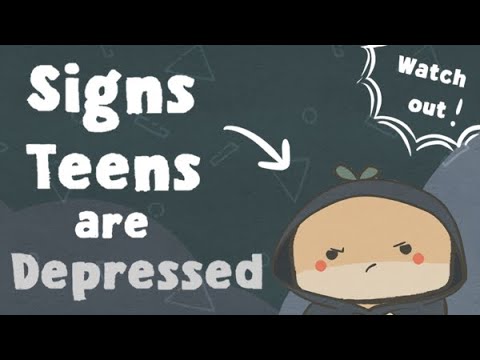
So, let’s chat about something that’s really important but often gets swept under the rug: adolescent depression. You know how it feels when a friend seems off but you can’t quite put your finger on why? It’s kind of like that.
Imagine a teenager who used to laugh at everything suddenly becoming quiet and withdrawn. What the heck happened? Maybe they’re just dealing with classic teenage angst, or maybe it’s something deeper.
Figuring out what’s going on isn’t easy. It can be tough for both the kids and those around them. There’s this weird mix of stress, identity struggles, and hormones swirling around, making things even murkier.
Recognizing the signs of depression in young people is super crucial. Sometimes they show up in ways you wouldn’t expect—like changes in sleep or mood swings that seem off the charts. So let’s break it down together and see what to look for. Sound good?
Exploring the 5 Key Characteristics of Adolescence in Psychology
Adolescence is one of those wild rides in life, right? It’s a time full of changes—not just physically, but emotionally and socially too. Understanding its key characteristics can really help when you start noticing things like depression symptoms in young people. So, let’s break this down.
1. Physical Development
You’ve got these huge growth spurts. Teens can go from looking like kids to young adults seemingly overnight. And it’s not just about height or getting acne; it’s all the hormones kicking in, which can really mess with emotions. A friend of mine went from being the shy kid to a tall, confident teen who suddenly struggled with anxiety when talking to girls. It’s all part of the crazy physical changes going on.
2. Cognitive Development
This is where things get interesting! Teens start thinking more abstractly and critically. They begin questioning things—like authority or social norms—which can lead to intense debates at home or school. You know, they want to establish their own beliefs and opinions, but sometimes that leads to confusion or frustration because they still don’t have all the answers yet.
3. Emotional Development
Adolescents can experience feelings more intensely than before—they’re navigating through new emotions that might feel overwhelming at times. One minute they’re on top of the world; the next, they’re sad for no clear reason. This emotional rollercoaster makes it easier for symptoms of depression to sneak in without anyone really noticing at first.
4. Social Development
Friendships take on an entirely new level of importance during adolescence. They often seek peer approval and may distance themselves from family a bit—like they suddenly think their friends are way cooler than their parents (shocking, right?). But this need for acceptance can lead to issues like anxiety or depression if they feel rejected or isolated.
5. Identity Formation
This is the major project for adolescents—figuring out who they are! They explore different roles and even experiment with various looks or interests (think bright hair colors or extreme fashion). Sometimes this journey leads them into darker places if they’re unsure about where they fit in or face bullying for being different.
When you pull these five characteristics together, it’s easy to see why adolescents might struggle with mental health issues like depression. The combination of changing bodies, intense emotions, peer pressure, and self-discovery creates a perfect storm for some kids.
If you keep an eye on these developmental factors alongside any signs of emotional distress, you might be able to spot when someone is struggling before it gets too serious—because catching those signs early makes all the difference!
Understanding the PHQ-4 for Adolescents: A Comprehensive Guide to Mental Health Screening
The **PHQ-4** is a really handy tool for understanding how teenagers are feeling mentally. It stands for the **Patient Health Questionnaire-4**, and it’s designed to screen for both depression and anxiety. Since teenagers face so many challenges—school pressure, social dynamics, and changing bodies—the PHQ-4 helps in identifying emotional struggles early on.
Basically, the PHQ-4 includes two questions about depression and two about anxiety. Each question asks how often someone has experienced certain feelings lately. These feelings can be things like sadness or worry. Respondents choose from options like “not at all,” “several days,” “more than half the days,” and “nearly every day.” This way, it captures how intense those feelings are over time.
Why is this important? Well, identifying symptoms early can be crucial. Depression in adolescents can look different than what we expect. It might show up as irritation rather than sadness. Or it could mean withdrawing from friends instead of crying all the time. By using the PHQ-4, caregivers can get a clearer picture of what’s going on.
Think about Sarah, a 16-year-old who used to be super social but suddenly stopped hanging out with her friends. She feels exhausted all the time and has trouble concentrating in class. By going through the PHQ-4 with a trusted adult or school counselor, they could pinpoint if her feelings align more with depression or anxiety—maybe even both!
When teens answer these questions honestly, it opens up conversation about mental health without lots of pressure or stigma attached. Here’s what you might find when using the PHQ-4:
- Emotional Symptoms: Questions will address feelings of sadness and hopelessness.
- Anxiety Symptoms: They’ll also explore feelings of nervousness or worry.
- Frequency of Symptoms: Understanding how often these feelings happen helps gauge severity.
- Next Steps: If scores indicate significant distress, this can lead to further assessment or support.
It’s important to remember that this screening tool isn’t a diagnosis; it merely points towards potential issues that might need attention. If someone scores significantly high on either part, it could signal that it’s time to reach out for more help.
Also worth noting is that participating in such screenings should always feel safe and easygoing—seriously! Teens should feel secure when discussing these feelings since mental health matters can be sensitive territory.
In summary, the **PHQ-4** stands as an accessible entry point into understanding adolescent mental health issues like depression and anxiety. Using an approach that feels non-threatening makes it easier for young people to express what they are going through, paving the way for healthier conversations around mental wellness down the line!
Understanding the Psychological Symptoms of Depression: Key Insights and Impact
Alright, let’s talk about depression, especially in teens. It can be tough to pin down, right? Sometimes, it feels like you’re living in a fog, or like there’s this heavy weight on your chest that just won’t budge. But understanding the psychological symptoms can help shed some light on what’s going on.
When we think about depression in adolescents, the symptoms aren’t always super obvious. It’s not just feeling sad or down all the time—there’s a lot more at play. Here are a few key things to look out for:
- Persistent sadness: This isn’t just your run-of-the-mill bad day. If a teen seems down most of the time over several weeks, that could be a sign.
- Lack of interest: If they seem to lose interest in activities they once loved—like sports or hanging out with friends—that’s definitely something to pay attention to.
- Changes in sleep: Depression often messes with sleep patterns. Some might sleep way too much while others can’t seem to catch any Zs at all.
- Fatigue: Feeling tired all the time? That could stem from emotional exhaustion and not just lack of sleep.
- Irritability: Some teens might get more easily frustrated or angry instead of showing sadness. You know how it goes; they might snap at little things.
- Difficulties concentrating: If someone seems lost in thought or struggles with basic tasks at school, it can point to a deeper issue.
You see, these symptoms can vary from one teen to another. For example, you might know someone who’s usually upbeat but suddenly seems withdrawn and uninterested in everything. That shift is worth noticing!
You may wonder why it matters so much if we catch these signs early. Well, without intervention, those feelings can become more intense and lead to serious consequences like poor academic performance or problems with relationships. It’s kind of a snowball effect—you know?
The impact of depression goes beyond just feeling sad; it affects how one thinks and functions daily. They might start feeling hopeless or worthless, which makes even small tasks feel overwhelming. Imagine trying to get out of bed when you feel like you’re wading through molasses! It’s rough.
If you think someone is struggling, open up that conversation! Sometimes all it takes is letting them know you care and are willing to listen without judgment.
Understanding these psychological symptoms not only helps the person experiencing them but also spreads awareness among peers and parents alike.
The journey through adolescent depression isn’t easy for anyone involved, but by recognizing those signs and understanding their impact, we can work towards making things better together!
You know, figuring out what’s going on in the mind of a teenager can be pretty tricky. When you’re in your teenage years, everything feels like a whirlwind of emotions. One minute you’re on top of the world, and the next, it feels like the sky’s falling in. But sometimes, those ups and downs cross a line into something deeper, like depression. So how do you spot those signs?
I remember my friend Alex from high school. He was always the life of the party—funny, loud, and just generally awesome to be around. But then one day, he seemed different. He started skipping school and hanging out alone more often. His jokes turned into silence, and his bright smile faded a bit. Looking back, I realize those were signs.
Adolescent depression isn’t just about being sad or moody all the time; it’s more complicated than that. You might notice changes in their sleep patterns—like sleeping way too much or barely catching any Z’s at all. Eating habits can shift too—some might eat everything in sight while others lose their appetite completely.
And let’s not forget about interest levels! You know when a kid who usually loves playing basketball suddenly doesn’t want to pick up a ball anymore? That kind of withdrawal can be really telling! It’s also common for teens to feel tired all the time or talk about feeling worthless or guilty without much reason.
In this psychological context, understanding that these symptoms may stem from various pressures is crucial: academic stress, social dynamics, family issues—you name it. And as friends or family members trying to help them out? It’s super important to approach with empathy rather than judgment.
Even though it can feel overwhelming at times (for both them and us), recognizing these signs early can make an enormous difference. Our friend Alex eventually got the support he needed after we noticed what was happening with him—thankfully! It’s wild how just being there for someone can bring them back.
So if you see someone struggling—you know—a buddy acting differently than usual—it’s worth it to check on them gently. Those simple conversations might just help turn things around!