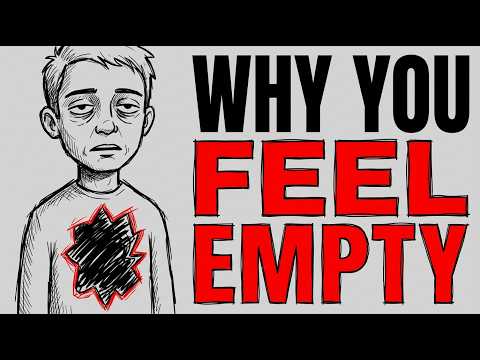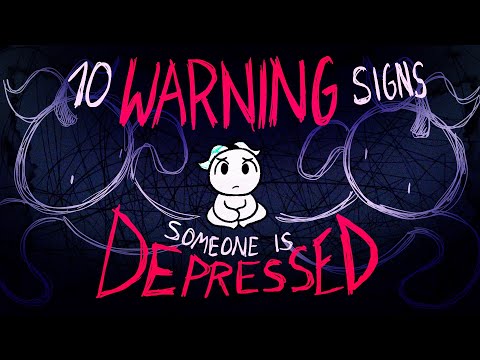
You know, guys often get a bad rap when it comes to talking about feelings. It’s like, if you’re not laughing or playing sports, what’s going on, right? But here’s the deal: Men can experience depression differently than women.
Seriously, it’s not all about the stereotypical sadness or crying. Sometimes, it’s more about feeling irritable or just kind of «meh» about life. And yeah, that can make it tricky for anyone to recognize what’s really happening under the surface.
Maybe you’ve noticed a friend who used to be the life of the party but seems distant now. Or perhaps you’re feeling off yourself but can’t quite put your finger on why. It’s easy to brush aside those feelings, but understanding those unique symptoms is super important.
In this little chat, we’re going to unpack some of those signs that might fly under the radar. So stick around; this could change how you see things!
Identifying Male-Specific Symptoms of Depression: Key Signs to Recognize
When it comes to depression, recognizing the signs can be super tricky. For men, it’s even a bit more complex sometimes. You see, societal expectations often shape how guys express their feelings. So, here are some male-specific symptoms of depression to keep an eye out for.
- Anger and Irritability: Instead of showing sadness, many men might express their struggles through anger or frustration. Like that moment when you snap at your buddy for something minor—it’s not really about him; it’s about what’s going on inside.
- Avoiding Responsibilities: You might notice a sudden neglect of work or home duties. It’s like when you used to throw yourself into whatever needed doing, but now everything feels like just too much to handle.
- Substance Abuse: Some guys turn to alcohol or drugs as a way to cope. Think of it as trying to escape the storm rather than facing it head-on. It’s sad because this can lead to even bigger issues down the line.
- Lack of Interest in Hobbies: If a guy suddenly stops enjoying things he once loved—say fishing or playing video games—that could be a red flag. It’s those little things that used to bring joy and now feel pointless.
- Physical Symptoms: Sometimes depression manifests physically. Guys may complain about headaches, stomachaches, or chronic pain without any obvious medical cause. So if your friend is always feeling off but isn’t sick, there might be more going on.
- Difficulties with Intimacy: A decrease in sexual desire or emotional connection can happen too. This doesn’t just affect relationships but can deepen feelings of isolation for men who feel less able to reach out.
The thing is, not every man will show these symptoms in the same way. Take my buddy Jake, for example. He was always the life of the party but started skipping gatherings and seemed distant during conversations—little by little turning from social butterfly into a wallflower.
If you ever notice these signs in yourself or someone close to you, talking about it matters! It’s crucial because recognizing these symptoms is half the battle; understanding them leads us closer to getting help and finding brighter days ahead.
You know? Everyone faces tough times; it’s part of being human. But knowing how depression can look for men makes it easier for all of us—whether we’re struggling ourselves or just trying to support someone we care about.
Understanding the Distinctive Aspects of Depression: Exploring Its Unique Features and Impacts
Understanding Depression in Men
Depression is often thought of as a one-size-fits-all type of experience. But the truth is, it can look pretty different depending on who’s dealing with it. When we talk about men and depression, there are distinctive features that tend to pop up. Let’s explore some of these unique aspects.
First off, symptoms can be less straightforward for men. They might not always show the typical signs like sadness or crying. Instead, you might notice them getting more irritable or angry. For instance, if your buddy usually laughs at jokes but has been snapping at everyone lately, that could be a red flag.
Another thing to keep in mind is that many men might mask their feelings. Society often teaches guys to be tough and not to show vulnerability. So they might turn to things like drinking or working too much instead of admitting they’re struggling. It’s like they’ve got this internal pressure cooker going on—ready to blow but trying hard to keep it together.
Then there are the physical symptoms. For some men, depression can show up as fatigue or aches and pains that don’t seem linked to anything else. Have you had a friend complain about constant back pain but never thought much of it? Well, sometimes these pains can stem from emotional struggles rather than physical ones.
On top of all that, many men may feel a huge sense of shame about experiencing depression. This isn’t just feeling blue; it’s more about feeling isolated and like you’re failing at life because you can’t just “man up.” Think about how difficult it is for someone to admit they need help when society tells them they should be strong all the time.
Lastly, let’s talk about how this all impacts relationships. Men dealing with depression might pull away from friends and family because they’re not sure how to explain what’s going on inside their heads—or maybe they’re just afraid no one will understand. Imagine losing touch with your best pal just because they couldn’t find the words; pretty rough situation.
So yeah, recognizing these distinctive aspects isn’t just important—it could make a big difference in helping someone get the support they need when facing depression. It reminds us that while we’re all human and face challenges differently, we really need each other’s understanding now more than ever!
Understanding Masculine Depression: Symptoms, Causes, and Solutions
Masculine depression is a topic that doesn’t get enough attention. You might think men just deal with their emotions differently, and that’s true—guys often express feelings in ways that are less visible. So, what’s going on with masculine depression? Let’s break it down.
Symptoms to Look For
Men can display depression in unique ways compared to women. Instead of the typical sadness or crying, you might notice:
- Aggression or irritability: Ever snap at someone for no real reason? That might be more than just a bad day.
- Substance use: Some guys turn to alcohol or drugs as a way to cope. It’s like putting a band-aid on a wound that needs stitches.
- Avoidance: Whether it’s skipping out on activities or isolating from friends, withdrawing can be a big red flag.
- Physical symptoms: Headaches or stomach issues without any clear medical cause might stem from emotional struggles.
It makes sense why masculine depression can fly under the radar. Often, these signs are dismissed as typical male behavior.
Diving into the Causes
So, why do some men experience depression more intensely? There are several factors at play:
- Societal expectations: Many guys feel pressure to be strong and stoic. Vulnerability often gets labeled as weakness in our culture.
- A history of trauma: Past experiences—like abuse or neglect—can haunt someone long after they seem ok on the surface.
- Isolation: Men sometimes have smaller social circles than women. When things get tough, not having solid support can really weigh them down.
- Biosocial factors: Changes in hormones or brain chemistry can play a role too. It’s like an internal battle that’s hard to see from the outside.
When you start piecing this together, it becomes clear why recognizing these patterns is essential.
Possible Solutions
Now that we’ve covered symptoms and causes, what can be done about it? Here’s where it gets hopeful:
- Talk about it: Encouraging open conversations about feelings is super important. The more people share their experiences, the easier it becomes for others to do the same.
- This doesn’t have to mean therapy alone; even talking with trusted family members or friends can change everything.
- Create supportive networks: Finding groups (like sports teams or book clubs) where men feel accepted can foster deeper connections and better communication about feelings.
- Pursuing hobbies: Sparking interest in new activities can open doors for relaxation and camaraderie. Plus, it’s great for clearing your mind!
There isn’t one size fits all here; different approaches work for different people.
In essence, understanding masculine depression involves recognizing its distinct symptoms and causes and embracing solutions that tackle these challenges head-on. The journey may not be easy but taking small steps toward openness and support could lead to major improvements in mental health. It’s okay not to be okay!
You know, when we think about depression, a lot of people picture someone who’s sad and crying all the time. But, like, it’s way more complex than that. Especially when it comes to men. Society often teaches guys to be tough and not show their feelings, which can make recognizing depression in them a bit tricky.
I was chatting with a buddy of mine the other day—let’s call him Jake. He seemed off lately, but when I asked how he was doing, he just shrugged it off, saying he was “fine.” But when I pushed a little, he opened up about feeling restless and not really interested in stuff he used to love—like playing guitar or hanging out with friends. That’s what got me thinking about how men sometimes display symptoms of depression differently.
For guys, it might not always look like sadness. Instead of tears, you might see anger or irritability. Like Jake was snapping at his kids more than usual or being distant with his wife. It’s kind of wild how society teaches men to act strong and stoic while they’re actually dealing with some heavy stuff inside.
And then there’s that tendency for men to engage in risky behaviors or substance use as a way to cope—not exactly the safest route! Sometimes they don’t even realize they’re struggling until it’s pretty serious because they’ve spent so long pushing feelings down or staying busy.
So yeah, recognizing these signs is super important—not just for guys but for everyone around them too. Encouraging open conversations can really make a difference. I mean, it took Jake some time to feel comfortable enough to share what was going on in his head. And once he started talking about it? Man, you could see the weight lift off his shoulders.
It’s key for friends and family to understand that depression isn’t always obvious and can look really different from one person to another, especially among men. Creating safe spaces where guys can share their experiences without judgment? That could be life-changing! Basically, we’ve got to keep our eyes peeled and be there for each other—because no one should feel like they have to battle this alone.