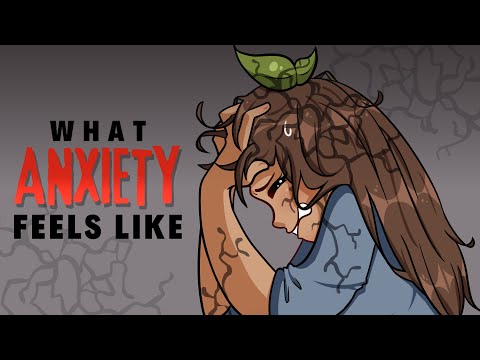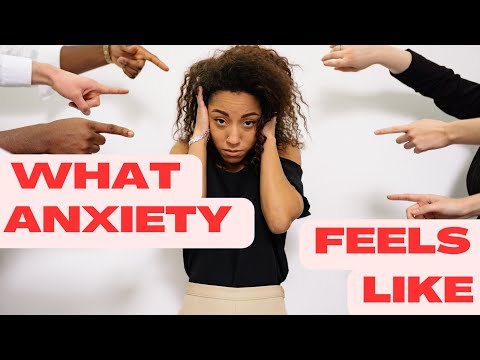
Hey, have you ever felt like your mind is running a marathon and you just can’t catch your breath? That’s anxiety for you. Sometimes, it’s like this annoying friend that just won’t leave you alone.
So, let’s talk about Generalized Anxiety Disorder (GAD). It’s more than just worrying about that big presentation or whether you left the stove on. It’s this heavy weight that hangs around, affecting everything you do.
The thing is, lots of folks don’t even realize they’re dealing with GAD. They might shrug it off as stress or just being a “worrier.” But there are some tell-tale signs to keep an eye out for.
You know? Understanding those symptoms can make a world of difference in figuring things out. Let’s dig into what that looks like together!
Comprehensive Guide to Understanding Generalized Anxiety Disorder: Key Examples and Insights
Generalized Anxiety Disorder (GAD) is something many people deal with, but it’s not always easy to spot. Basically, it’s a constant feeling of worry or anxiety about a bunch of things. Unlike regular stress, which can hit you during specific situations, GAD sticks around like that one friend who overstays their welcome.
Symptoms of GAD can be pretty wide-ranging. You might find that you’re worried about everyday stuff—like work, health, or even just the future—in a way that feels overwhelming. This isn’t just occasional worry; we’re talking about something that’s persistent and hard to shake off.
Here are some common psychological symptoms:
- Excessive worry: You find yourself fretting about what could go wrong in any situation.
- Trouble concentrating: It feels tough to focus on tasks because your mind races with anxious thoughts.
- Irritability: Little things might set you off more than usual, and you can’t quite figure out why you’re on edge.
- Restlessness: You might feel like you can’t sit still or relax; it’s like your body is always on high alert.
- Sleep disturbances: Falling asleep or staying asleep can become a real challenge when anxiety creeps in at night.
This reminds me of my friend Alex. He used to stress over every exam and presentation. It was exhausting to hear him constantly anticipating every worst-case scenario. “What if I forget everything?” he would say, even when we all knew he prepared well. His worries weren’t random—they were tied into this feeling of needing to be perfect at everything he did.
A lot of times, people with GAD also experience physical symptoms. So it’s not just in your head; the body gets involved too! For instance:
- Tension headaches: Constant worrying can give you serious headaches as your muscles stay tight all the time.
- A racing heart: You might feel like your heart is pounding for no reason—just from thinking about daily tasks!
- Sweating or trembling: These reactions can happen at random moments when anxiety kicks in unexpectedly.
The thing is, recognizing these symptoms is super important because they can really impact daily life. If you’re regularly feeling bogged down by worries that seem too big or too frequent compared to the situations at hand, it’s time to think about it more seriously.
You know how some people have their go-to strategies for de-stressing? Those who deal with GAD often need different approaches since traditional advice—counting to ten or deep breathing—might not cut it sometimes. Finding personalized coping mechanisms becomes essential!
If anything feels relatable here—like being stuck in a loop of anxious thoughts—you aren’t alone! There are ways to find help and support through talk therapy or mindfulness practices that could really change the game for you.
The bottom line is this: understanding GAD means recognizing how deeply it affects both thoughts and feelings—and knowing it’s okay to seek help if those feelings get too overwhelming. Addressing them early on makes all the difference between living with constant worry and finding some peace again.
Effective Approaches to Treating Generalized Anxiety Disorder: A Comprehensive Guide
Generalized Anxiety Disorder, or GAD for short, can feel like you’re stuck in a loop of worry that never ends. You wake up thinking about your day, and it’s like a train of thoughts just keeps rolling. You might worry about work, relationships, health—any and everything. It’s exhausting, isn’t it? But there are effective ways to tackle those feelings.
Recognizing Symptoms
First things first: recognize the symptoms. People with GAD often experience excessive worry that lasts for six months or more. This anxiety isn’t just about one thing; it spreads like wildfire to various aspects of life. Other symptoms could include feeling restless, getting tired easily, having trouble concentrating, or even physical symptoms like muscle tension and sleep disturbance.
Cognitive-Behavioral Therapy (CBT)
One popular approach is Cognitive-Behavioral Therapy. Basically, CBT focuses on identifying those negative thinking patterns that feed anxiety. You learn to challenge these thoughts and replace them with more balanced ones. It can be a game-changer! Imagine catching yourself thinking something like “I’ll never be able to finish this project,” and then flipping it to “I can take this step by step.”
Mindfulness Practices
Then you have mindfulness practices. These techniques help you stay grounded in the present moment instead of spiraling into the “What if’s.” Simple breathing exercises or meditation can really help calm that racing mind down. If you’ve ever been lost in thought while washing dishes or going for a walk—well, that’s mind wandering! Mindfulness is all about focusing on what’s right in front of you instead.
Medication Options
Some folks might explore medication as an option too. There are different types of medications available—like SSRIs which help balance out brain chemistry related to mood—but it’s essential to talk with a healthcare provider about this route.
Support from Loved Ones
Support from friends and family can also play a huge role in managing GAD. Sometimes just talking about your feelings can lighten the load a bit! Finding someone who understands makes a world of difference.
Lifestyle Changes
Don’t overlook lifestyle changes either! Regular exercise is super beneficial; it releases those feel-good endorphins which help ease anxiety levels. Eating well and getting enough sleep are fundamental as well. Let’s face it: less junk food equals clearer thinking!
Anecdote Time
I remember my friend Sarah once told me how she felt trapped by her worries all day long—it was almost like she was on high alert 24/7. After she tried some mindfulness exercises along with CBT sessions, she found herself enjoying little moments again; her favorite coffee shop visit became way less stressful!
So yeah, tackling GAD doesn’t usually mean one-size-fits-all solutions but finding what works best for you is key! Whether it’s therapy options, mindfulness practices or leaning on your support network—you have choices here!
Comprehensive Guide to Generalized Anxiety Disorder Testing: Understand Symptoms and Assessment Methods
Alright, let’s talk about Generalized Anxiety Disorder (GAD) and how it’s identified. First off, anxiety is something we all feel from time to time—you know, that nagging feeling when you have a big presentation or if you’re waiting for important news. But GAD takes that to a whole different level.
So, what exactly is GAD? It’s a condition where you worry excessively about various aspects of life—like work, health, or even things that haven’t happened yet. This isn’t just occasional worry; it’s like having a heavy backpack full of worries you can’t seem to put down.
Common symptoms include:
- Persistent worrying that feels out of control.
- Restlessness or feeling on edge.
- Trouble concentrating or your mind going blank.
- Sleeplessness due to racing thoughts.
- Irritability and muscle tension.
Think about it this way: have you ever had a time where your mind just wouldn’t chill out? Like you’re staring at the ceiling at 3 AM because your brain is replaying every little thing from the day? Yep, that’s kind of what GAD feels like—you’re constantly in this state of heightened alertness.
Now, how do people get tested for GAD? The assessment process often includes a combination of self-reported questionnaires and interviews with a mental health professional. Here are some common methods:
- The Generalized Anxiety Disorder 7-item scale (GAD-7): This is one of the more popular tests. It has seven questions that help gauge how often you’ve experienced symptoms over the past two weeks. You just tick off how you’re feeling!
- Clinical interviews: A therapist might sit down with you and ask questions about your feelings and behaviors. They want to understand how anxiety affects your daily life—sorta like piecing together a puzzle.
- Diagnostic criteria: Mental health professionals often refer to the DSM-5 (Diagnostic and Statistical Manual of Mental Disorders). To be diagnosed with GAD, symptoms must persist for at least six months and interfere significantly with daily activities.
Now picture this: you’re in an office talking to someone trained to help people navigate through these feelings. They ask about specific instances where anxiety has impacted your job or relationships. Having someone listen while you share those stories can be super revealing—and sometimes eye-opening about how much GAD can run your life without even realizing it.
A final note on seeking help: Identifying GAD is just one step in a broader journey. If you recognize these patterns in yourself or someone close to you, reaching out for help can really make a difference! It’s all about finding ways to manage those heavy backpacks we talked about earlier, right?
The thing is, while understanding symptoms and assessment methods is crucial, it’s equally important to remember that everyone’s experience with anxiety is unique. So if things feel overwhelming, know there are tools and resources available!
You know, anxiety is one of those things that can creep up on you without even realizing it at first. Think about the time when you had a big presentation at work or school; that knot in your stomach, the sweaty palms, and racing thoughts might have felt totally normal in the moment. It’s like, who doesn’t get anxious sometimes, right? But what if that feeling stuck around—day in and day out—turning life into this constant state of worry?
Generalized Anxiety Disorder (GAD) is like this low-grade hum of anxiety that just won’t quit. It can become so overwhelming that you start to feel like you’re on this never-ending hamster wheel of fears—about work, relationships, health—basically everything. You wake up thinking about what could go wrong and fall asleep with the same worries buzzing through your mind.
Now let’s talk about some signs. One typical symptom is excessive worrying—it’s not just occasional stress; it’s nonstop overthinking about things that might never happen. You might catch yourself feeling restless or on edge, like you can’t quite sit still because your brain won’t let you chill out. Some folks experience physical symptoms too: tension headaches or stomach issues that are not fun at all.
A good friend of mine once mentioned how she spent weeks avoiding social events because her mind kept spiraling into “what if” scenarios. She didn’t want to go out and feel anxious in front of people or have to deal with tough conversations or judgment. And while it made her feel safer temporarily, it also led to feelings of isolation—a tough cycle to break.
Being aware of these symptoms is super important for anyone who feels like anxiety is impacting their daily life. It’s like shining a light on something that’s been lurking in the shadows! If you find yourself nodding along with some of these symptoms more often than not—it might be time to take a step back and consider what’s going on.
Ultimately, recognizing psychological symptoms isn’t just about labeling feelings; it’s about understanding them and knowing there are paths toward feeling better. It’s all part of taking care of yourself and acknowledging what you need in different moments. And hey, if GAD starts feeling particularly heavy, reaching out to someone you trust can be a helpful step—sometimes just chatting it out makes a world of difference!