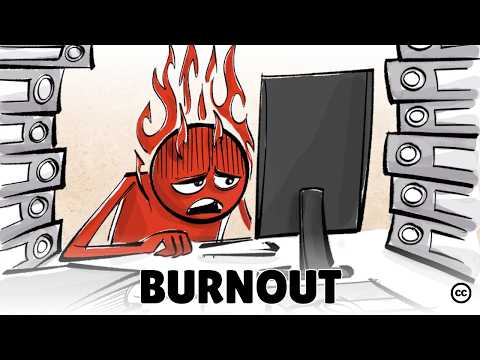
Hey! So, you ever feel completely wiped out, like you just can’t deal with one more thing? Yeah, that’s what I’m talking about. It’s not just being tired; it’s like your brain is running on empty, you know?
You might notice you’re a bit more irritable or have trouble focusing. Maybe even a little overwhelmed by stuff that usually doesn’t bug you. It creeps in slowly, and before you know it, you’re really feeling it.
This thing called psychological nervous exhaustion can sneak up on anyone. Life throws curveballs, and our minds get tired too. Let’s break this down together and figure out how to spot the signs!
Understanding and Identifying Symptoms of Mental Drain: A Comprehensive Guide
Mental drain, or psychological nervous exhaustion, is a real deal. It’s that feeling when your brain feels like it’s running on empty and just can’t keep up. You know those days when even the smallest task seems monumental? Yeah, that’s the kind of mental fatigue we’re talking about.
So, what are the signs? Recognizing these symptoms is key to understanding what’s happening in your mind. Here are some common indicators:
- Constantly Tired: It feels like you haven’t slept in a week, even if you did hit the pillow for eight hours.
- Difficulty Concentrating: You might find yourself blanking out during conversations or reading the same paragraph over and over again.
- Irritability: Little things that usually wouldn’t bother you suddenly drive you up the wall.
- Lack of Motivation: Tasks that once excited you now seem boring or impossible.
- Physical Symptoms: Headaches, muscle tension, and even digestive issues can crop up when your brain is overloaded.
Think about it. Have you ever experienced going to work feeling fine, but by lunchtime, all you want to do is crawl under your desk? That feeling of being overwhelmed can sneak up on anyone. Sometimes it’s triggered by stressful situations at work or personal life challenges—like juggling too many responsibilities at once.
Anecdote Time: So one day my friend Sam was totally wiped out after weeks of deadlines at his job. He used to love coming home and working on his side projects. But after all that stress? He just sat there staring at his laptop. His favorite tasks felt like climbing Mount Everest.
He realized things needed to change; he had to give himself a break before he completely burned out!
If any of these symptoms sound familiar, it might be time for a little self-care moment. Taking breaks isn’t just for kids; adults need them too! Whether it’s grabbing a cup of tea or taking a walk outside—every moment counts towards recharging your mental batteries.
The Bottom Line? Acknowledge how you’re feeling and make room for some breathing space in your life. Pay attention to those warning signs! Mental drain can catch you off guard if you’re not careful.
You know yourself best! If this resonates with you more than just a little bit, seriously consider reaching out for support from friends or professionals who can help guide you through this fatigue. Just remember—it’s okay not to be okay sometimes!
Recognizing the Signs of a Nervous Breakdown in Women: Key Indicators and Support Strategies
Recognizing when someone is experiencing a nervous breakdown can be tough, especially since the signs often creep in slowly. You might notice subtle changes at first, and then suddenly it feels like everything has piled up too high. So, let’s talk about some key indicators that might help you spot a nervous breakdown in women.
First off, **emotional changes** can be a major red flag. You might see someone who used to be bubbly and cheerful turn irritable or even tearful without a clear reason. It’s like their mood swings are on overdrive! And if they seem to cry easily or express feelings of hopelessness? That’s definitely worth paying attention to.
Then there’s the whole **physical aspect**. Stress takes a toll on the body, right? Symptoms could range from headaches and stomachaches to more severe issues like chronic fatigue. If you notice someone constantly complaining about feeling exhausted—yet they’re not really doing anything out of the ordinary—that could signal something deeper going on.
Another thing to consider is **behavioral changes**. Someone could withdraw from social activities they once loved or avoid hanging out with friends and family altogether. Think about that friend who always planned game nights but suddenly cancels every time? Yeah, it might mean she’s struggling.
Alongside those changes, look for some **cognitive signs**, too. Anxiety can cloud judgment, so if you see someone having trouble focusing or making decisions—like being indecisive over simple things—it might be time to check in with them.
And let’s not forget about **sleep disruptions**! Many people facing burnout may either sleep way too much or have insomnia that keeps them tossing and turning all night long. If your friend is posting at 3 AM instead of sleeping? That ain’t normal.
So if you start noticing these signs in anyone close to you, stepping up with support strategies can make a big difference! Here are some ideas:
- Encouragement to talk: Sometimes just talking it out helps! Let them know you’re there to listen without judgment.
- Offer practical help: Lend a hand with daily tasks or simply hang out together doing something fun.
- Suggest professional support: If things seem serious, gently encourage them to seek help from a mental health professional.
Overall, recognizing these indicators isn’t about labeling someone but rather showing concern and being supportive when it matters most. Every little bit helps when someone is dealing with overwhelming stress—or as I like to think of it—a nervous breakdown in disguise. Remember: just being there for someone can sometimes mean more than words ever could!
Effective Treatments for Mental Exhaustion: Strategies for Recovery and Well-Being
Mental exhaustion can totally sneak up on you. You know those days when just getting out of bed feels like climbing a mountain? Yeah, that’s a signal something’s off. Recognizing the signs is the first step toward recovery. Things like constant fatigue, irritability, trouble concentrating, or feeling emotionally drained tell you it might be time to take a breather.
Once you recognize these signs, there are some effective treatments or strategies you can try to help with recovery and well-being.
- Prioritize rest: This might seem super obvious, but sleep is your best friend here. Aim for quality sleep and maybe take short naps when you can. Imagine how refreshed you’d feel after a good night’s sleep!
- Set boundaries: Learn to say no when you need to. If you’re overloaded with tasks or social obligations, don’t hesitate to politely decline some of them. It’s okay to put yourself first sometimes!
- Engage in mindfulness: Practices like meditation or deep-breathing exercises help calm your mind. Just picture yourself sitting quietly with your eyes closed for five minutes—feeling that tension melt away bit by bit.
- Stay active: Physical exercise can work wonders for your mental state! You don’t have to run a marathon; even a brisk walk can lift your mood and boost your energy levels.
- Connect with others: Reach out to friends or family. Sometimes just talking about how you’re feeling with someone who cares can lighten your emotional load significantly.
- Pursue hobbies: Dive into activities that make you happy—reading, painting, gardening; whatever gives you joy and takes your mind off stressors.
- Seek professional help: If nothing seems to work or if feelings of exhaustion linger too long, it’s totally okay to chat with a mental health professional. They can offer support tailored just for you!
The thing is—it often takes time to recover from mental exhaustion. You’re not going to snap back overnight; give yourself grace during this process! Remember the story of Lisa? She was super overwhelmed at work and home; she started practicing mindfulness and setting boundaries on her workload. Within weeks, she felt more energized and focused! Your journey might look different but hang in there.
This whole deal is about finding what works for YOU personally since everyone has unique struggles and solutions! Being kind to yourself while navigating through this helps too. You’re doing amazing things just by being aware of what you’re feeling! Keep going—you got this!
You know those days when you feel like you’ve run a marathon without even moving? Yeah, that’s what we call psychological nervous exhaustion. It creeps up on you, almost like a ninja in the night. One minute, you’re fine, and the next, it’s as if someone flipped a switch and suddenly everything feels overwhelming.
I remember a time when I pushed myself way too hard at work. Juggling deadlines and trying to meet everyone’s expectations seemed totally manageable at first. But then I started to notice these little signs: my sleep quality tanked, I lost interest in things I used to love—like hanging out with friends or binge-watching my fave shows. I was just exhausted all the time. It felt like my brain was stuck in a fog, and honestly? It was kind of scary.
So let’s talk about those signs because recognizing them can be your first step to getting back on track.
First off, fatigue is a huge one. Not just physical fatigue but mental weariness too. You might find yourself zoning out during conversations or feeling blank when trying to focus on tasks that used to be easy-peasy for you. That feeling of being “on edge” is another telltale symptom—you’re irritable over the smallest things, like someone chewing too loudly or forgetting where you placed your keys might send you into a mini-rage.
Then there’s emotional numbness; it’s weirdly alienating. You could be staring at something that would usually make you happy but feel nothing at all—like watching your favorite movie for the fiftieth time but not cracking a smile even once.
Also, let’s not ignore physical clues. You might develop headaches or muscle tension without any clear reason why—your body is screaming for some relief while your mind runs in circles! Seriously! Just think about it: all those late nights and constant stress can turn into aches and pains pretty quickly.
And sometimes it gets expressed through changes in appetite or sleep patterns—you might munch mindlessly or lose your appetite altogether; sleep becomes elusive…feels pretty frustrating!
Look wherever you see these signs cropping up; maybe take a moment for reflection? It doesn’t mean you’re weak or failing—it just means you’re human! We’re often taught to power through life without acknowledging our limits until they slap us in the face.
Taking care of your mental health isn’t just some trendy phrase; it’s essential for living well! So if any of this resonates with you, maybe pay attention? Recognizing these signs can help set boundaries before hitting rock bottom becomes inevitable. Remember: listening to yourself is super important!