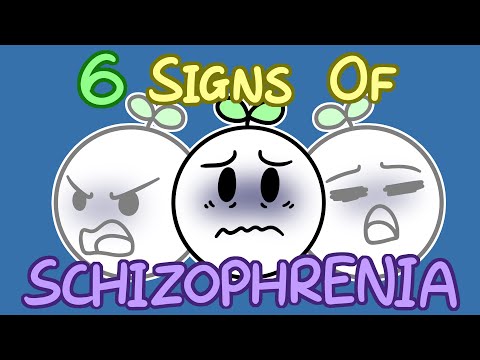
Have you ever felt like someone was watching you? Or maybe your mind starts to weave stories that just don’t seem to match reality. It can be a little unsettling, right?
Paranoid schizophrenia is one of those things that often gets misunderstood. It’s not just about seeing things or hearing voices. There’s so much more beneath the surface.
Imagine living in a world where trust becomes super hard, and every shadow feels like a threat. That’s the reality for many people dealing with this condition.
So, let’s get into some of the signs that might help identify what’s going on in someone’s mind when paranoia takes center stage. You might find it eye-opening!
Identifying the 7 Early Warning Signs of Schizophrenia: A Comprehensive Guide
Schizophrenia can sound like a heavy topic, but understanding its early signs can really help. It’s like you’re tuning into a radio station before the music stops and static takes over. So, let’s break down some of those early warning signs.
1. Social Withdrawal
At first, it might seem like someone is just being shy or introverted. But if you notice a friend or family member pulling away from activities they used to love—like hanging out or even just texting it could be a hint that something deeper is going on. They might stop returning your calls or avoiding social gatherings altogether.
2. Changes in Behavior
Drastic changes can be huge red flags. Imagine someone who was once super organized turning into a bit of a mess overnight—losing track of time, forgetting appointments, or major shifts in their daily routine. It’s almost like you’re watching them slip away from their normal selves.
3. Odd Beliefs
You know when someone starts talking about secret agents following them or thinks they’re on a special mission? Well, those unusual beliefs can pop up with schizophrenia. If someone starts making bizarre claims that seem out of touch with reality, pay attention.
4. Difficulty Concentrating
It’s tough to focus on stuff sometimes; we all get that sleepy brain feeling. But if you see someone really struggling to keep track of conversations or loses their train of thought frequently—that’s kind of concerning. It’s almost like they’re in their own world and can’t quite connect back.
5. Changes in Mood
One minute they’re laughing; the next, they’re angry over small things—it’s kind of confusing! People with early signs might have mood swings that seem extreme and unrelated to what’s happening around them.
6. Perceptual Changes
Sometimes people start hearing voices where there aren’t any or seeing things that aren’t real (hallucinations). This could be pretty scary for them and seriously confusing for anyone else around them too.
7. Neglecting Personal Hygiene
If someone goes from taking care of themselves to suddenly not showering for days or wearing clothes that don’t quite match anymore, it might signal something’s off-kilter mentally.
The thing is, spotting these signs doesn’t mean someone definitely has schizophrenia; they could be dealing with other struggles too—like stress or anxiety—which are pretty common too! You know? So keep an eye out but also remember to approach these situations with care and empathy because what people are experiencing can be deeply personal and painful!
Exploring the Efficacy of Diazepam in Treating Schizophrenia Symptoms
Schizophrenia is a complex mental health condition that can really affect how someone thinks, feels, and behaves. When we talk about paranoid schizophrenia, the symptoms often include intense feelings of suspicion, delusions, and sometimes hallucinations. It’s tough for people living with this condition, not to mention for their families and friends.
You might wonder where diazepam fits into all of this. Diazepam is mainly known as a tranquilizer. It’s commonly used to manage anxiety, muscle spasms, and seizures. So how does it relate to treating schizophrenia symptoms? Here’s the deal: while diazepam can help calm a person down during an episode of anxiety or agitation, it’s not generally considered effective as a primary treatment for schizophrenia itself.
There are some reasons why this is the case:
- Mechanism of Action: Diazepam works by enhancing the effects of a neurotransmitter called GABA. This makes you feel more relaxed but doesn’t really address the underlying issues in schizophrenia.
- Risk of Dependence: People using diazepam may develop a tolerance or even addiction over time. This could complicate treatment for someone already dealing with serious mental illness.
- Sedation Effects: While sedating effects can be useful in certain situations—like reducing extreme agitation—they also risk masking important symptoms that need addressing.
So what do doctors usually use to treat paranoid schizophrenia? The primary medications are usually antipsychotics like risperidone or clozapine. These medications target dopamine pathways in the brain, which play a critical role in managing symptoms like hallucinations and delusions.
That being said, sometimes benzodiazepines like diazepam might be prescribed as adjunctive treatment—this means they’re used alongside other medications to help with specific symptoms like severe anxiety or agitation. However, it’s crucial for anyone considering this medication combo to discuss it thoroughly with their healthcare provider.
Remember that managing something as complicated as schizophrenia isn’t just about taking pills. Psychotherapy techniques can also be really helpful for people dealing with paranoid thoughts or feelings—they provide coping tools and understanding that medication alone can’t always offer.
In short, while diazepam might have its uses in certain scenarios related to anxiety or agitation in those with schizophrenia, it’s definitely not seen as a main solution for paranoid schizophrenia’s core symptoms. Always best to approach this with professional guidance!
Understanding Paranoid Schizophrenia: Real-Life Examples and Insights
Paranoid schizophrenia can sound pretty intense, right? Basically, it’s a type of schizophrenia where the main feature is paranoia. So, what does that mean in real life? Let’s break it down.
When someone has paranoid schizophrenia, they often experience delusions. These are strong beliefs that aren’t based on reality. For example, a person might think that they’re being watched or followed by people who want to harm them. Imagine you went out for a walk, and every car that drove by suddenly felt like it was tracking your every move. Pretty unsettling, huh?
Another significant sign is hallucinations. In this case, people might hear voices that aren’t there. Let’s say someone is in a crowded cafe but hears whispers telling them terrible things about their friends. This can lead to serious misunderstandings and conflict in relationships.
So, it’s not just about those big moments of distress; the everyday life of someone with paranoid schizophrenia can be really tough. They might avoid social situations because they fear people are plotting against them. You know how sometimes we feel awkward in a group? Now imagine that on overdrive—feeling utterly convinced everyone is out to get you.
Here are some key points to keep in mind:
- Social Isolation: A lot of folks with this condition might pull away from friends and family because trust becomes complicated.
- Anxiety: There’s often a background level of anxiety buzzing around their experiences—like having constant butterflies in your stomach.
- Mood Swings: They can experience dramatic shifts in their emotions; one minute they could be angry or sad, and the next they may feel fine.
Real-life examples help illustrate these points further. Imagine someone who believes their roommate is planting listening devices around their shared apartment. This belief leads them to tear apart furniture or refuse to come home at all! It showcases both the delusions at play and how daily life becomes chaotic.
Sometimes the signs can be tricky to spot at first glance. You see someone acting strangely but might brush it off as stress or tiredness. It takes time and close observation to notice repeated patterns—like checking locks multiple times or staying inside for weeks due to irrational fears.
Those living with paranoid schizophrenia often strive for normalcy amidst the storms of their minds. Understanding what they’re going through can help you offer support without judgment if you ever find yourself close to someone dealing with this challenge.
So yeah, while paranoid schizophrenia carries many complex layers, getting familiar with its signs helps demystify the experiences those affected face daily. The key takeaway here is compassion—you never really know what battles others are fighting behind closed doors!
So, let’s chat about paranoid schizophrenia for a sec, okay? It’s one of those things that’s often misunderstood. When you hear the term, your mind might jump to, like, movies or news stories that sensationalize it. But there’s more to it than just what you see on screen.
Paranoid schizophrenia mainly involves intense feelings of suspicion or paranoia, right? Imagine waking up every day feeling like people are out to get you or that they’re constantly watching your every move. It can be super isolating. You start questioning everything and everyone around you. You know, it’s not just about hallucinations and voices—those are actually just one piece of the puzzle.
I remember a friend from college who struggled with this. He was brilliant but always seemed to have this deep-seated distrust towards people. At first, I thought he was just being overly cautious. But then I noticed how he’d get anxious in social situations, thinking everyone was whispering about him or plotting against him. And that really affected how he interacted with us. The paranoia took over his life in ways I didn’t even realize until later.
Some psychological signs to look out for include heightened mistrust, changes in perception (like thinking something harmless is actually a threat), and obsessive thoughts centered around being persecuted. These aren’t things someone can just snap out of; they’re deeply felt experiences that can cloud reality.
But here’s the kicker: understanding these signs can help break down some of the stigma associated with mental health issues. Instead of jumping to judgments or assumptions about someone acting “weird” or “off,” pausing for a moment to consider what they might be going through can change everything. Compassion makes a difference.
In essence, acknowledging the reality behind paranoid schizophrenia can create space for awareness and empathy—not just for those diagnosed but also for yourself as you navigate personal relationships and social dynamics. It reminds us how intricate human experience is and why we should try to understand rather than judge—or worse, fear—what we don’t fully grasp.