Ever feel like you’re carrying the weight of the world on your shoulders? Yeah, that can be really tough. But sometimes, it goes deeper than just feeling sad or stressed.
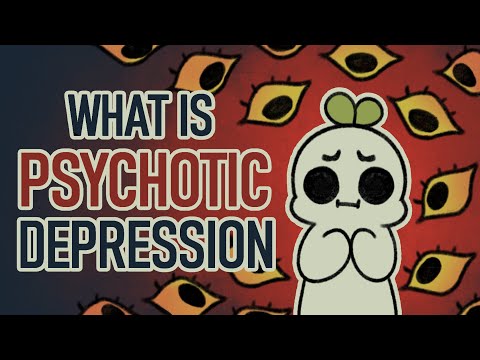
Imagine waking up and feeling completely lost, like your mind’s playing tricks on you. That’s what psychotic depression can be like. It messes with emotions and thoughts in pretty intense ways.
You might wonder how to spot it in yourself or someone you care about. Well, there are signs to look out for. It’s not always clear-cut, but recognizing them can be a game changer.
So, let’s chat about what to keep an eye on when those dark clouds roll in. You never know—it could make all the difference for someone who’s struggling.
Understanding Psychotic Depression: Key Symptoms and Insights for Better Awareness
Psychotic depression is a serious mental health condition that combines symptoms of depression with psychosis. It can be hard to spot because the experiences can be so intense and disturbing. But understanding it is vital for better awareness and support.
So, what exactly are the signs? Here’s a breakdown:
- Intense Sadness or Hopelessness: Imagine feeling like there’s no light at the end of the tunnel, and everything feels heavy. This isn’t just feeling down; it’s a deep sense of despair that often seems endless.
- Loss of Interest: You know when you used to enjoy things like hanging out with friends or watching movies? In psychotic depression, you might lose all enthusiasm for those activities.
- Changes in Sleep and Appetite: Some people may sleep way more than usual, while others can’t sleep at all. Eating habits change too—like binge eating or not eating enough at all. It’s like your body just doesn’t care anymore.
- Psychotic Symptoms: This is where it gets really tough. You could experience delusions (false beliefs), like thinking that everyone is plotting against you, or hallucinations (seeing or hearing things that aren’t there). Imagine hearing whispers when you’re completely alone—that’s really scary.
- Difficulty Concentrating: Reading a book or even having a conversation can feel impossible. Your mind might feel foggy, and focusing on anything becomes tiresome.
It’s important to remember that these symptoms don’t just come out of nowhere. They usually build up over time and can sometimes follow traumatic events or extreme stress. For example, after losing a loved one, someone might spiral into feelings of depression mixed with delusions about being a burden to everyone.
Another thing to keep in mind is how unique this experience is for each person. Not everyone will have every symptom, and the severity can vary widely from one individual to another.
It’s also crucial for friends and family members to recognize these signs early on. If you notice someone close to you acting unusually withdrawn or expressing bizarre thoughts, encouraging them to seek help is super important.
Psychotic depression isn’t something someone can snap out of overnight; it’s serious stuff that needs proper treatment like therapy and medication. With the right support, though, recovery is possible! Feeling understood goes a long way in managing these symptoms effectively.
So yeah, keeping an eye out for these signs could save someone from suffering in silence!
Understanding Psychotic Depression: Essential Tests and Assessments
Understanding psychotic depression can feel overwhelming, but breaking it down helps. Let’s chat about what it is, how to recognize it, and the tests that can help diagnose it.
Psychotic depression is a serious condition that combines symptoms of major depressive disorder with some sort of psychosis—like hallucinations or delusions. Basically, that means you could have intense feelings of sadness while also experiencing things that aren’t really there or believing things that aren’t true. It’s like being stuck in a dark room where the shadows start to seem real.
Recognizing the signs is crucial. Here are some common things to look out for:
- Persistent sadness: This isn’t just feeling down for a day or two. It lingers, sometimes for weeks or months.
- Hallucinations: You might see or hear things that aren’t there. For example, someone could hear voices telling them they’re worthless.
- Delusions: Unshakeable beliefs in unrealistic scenarios—like thinking everyone is plotting against you.
- Loss of interest: Activities you once enjoyed may not bring any joy anymore.
Let me share an example. Imagine someone who used to love painting suddenly loses interest and starts hearing criticism about their work—voices telling them they’re no good at anything. That’s a glimpse into how psychotic depression can twist perception.
Now, **assessments** are super important for diagnosis. Usually, psychologists and psychiatrists use a mix of clinical interviews and specific tests to figure things out.
- The Clinical Interview: This is where a mental health professional asks lots of questions about your mood, thoughts, and behaviors.
- The Beck Depression Inventory: This questionnaire helps gauge the severity of depressive symptoms through self-reporting.
- The Hamilton Rating Scale for Depression: Another tool used by professionals which rates various symptoms based on observation.
So basically, the clinician will gather all this info to understand your mental state better.
Testing for **psychosis** might also involve something like:
- The Brief Psychiatric Rating Scale (BPRS): It assesses various psychiatric symptoms including hallucinations and delusions.
- Mental Status Exams: These evaluate cognitive functions like memory and orientation—just seeing how clearly someone thinks overall.
Don’t forget that sometimes physical health tests can help rule out other causes too! Things like blood tests might be done to check thyroid levels since they can affect mood.
In short, understanding psychotic depression revolves around recognizing those signs we talked about and knowing the tests available for diagnosis. It’s complex but getting help can lead to brighter days!
Understanding the Dangers of Psychotic Depression: Key Insights and Risks
Psychotic depression can be a serious issue, and understanding its dangers is essential. It’s more than just feeling sad or down; it combines symptoms of major depression with psychosis. Let’s break this down a bit.
First off, psychotic depression involves experiencing severe **depressive symptoms** like intense sadness, feelings of worthlessness, and loss of interest in things you used to enjoy. But here’s the kicker: it also includes **psychotic features**, such as hallucinations or delusions. That means not only are you feeling awful mentally, but your thoughts might be so distorted that you can’t really trust what’s real.
Recognizing the signs is crucial, especially since this condition can put individuals at risk for harm. Some common warning signs include:
Imagine someone who’s convinced they’re responsible for the world’s problems or that they’re unworthy of love. They might withdraw from friends and family, isolating themselves because their mind is playing tricks on them.
Now let’s talk about the risks involved with psychotic depression. It can lead to dangerous behaviors because when your mind isn’t aligned with reality, your ability to make sound decisions goes out the window. There’s a heightened risk of self-harm or even suicidal thoughts due to the overwhelming nature of these feelings.
Something important to note is that this condition doesn’t just affect the individual; it impacts loved ones too. Watching someone struggle with this illness can be heartbreaking. Family members may feel helpless or confused about how to support their loved one through such dark times.
Another danger lies in misdiagnosis. Sometimes people think they’re just dealing with typical depression and miss those psychotic elements entirely. This misinterpretation could delay appropriate treatment, which makes everything worse!
Treatment usually involves a combo of medication and therapy—antidepressants often help stabilize mood while antipsychotics address those troubling thoughts and perceptions. But getting to that point? That takes time—and sometimes urgency if someone is really struggling.
So here’s the bottom line: psychotic depression is no joke. It calls for immediate attention and understanding from friends, family, and mental health professionals alike. Recognizing those signs early on could save a life because facing this alone isn’t an option—it needs support from others who get what’s going on.
If you or someone you know displays signs of this condition, don’t hesitate! It’s vital to seek help immediately—it’s all about being proactive rather than reactive when it comes to mental health challenges like these!
Psychotic depression is one of those things that can totally fly under the radar. Imagine you’re chatting with a friend who seems a bit off, but you just can’t put your finger on why. That’s how it often plays out in real life. It’s like someone is wearing a mask; they might look fine on the outside, but beneath the surface, there’s a whole whirlwind of emotions and thoughts happening.
So, what are some signs to look out for? Well, people dealing with psychotic depression can experience not just intense sadness but also some pretty frightening symptoms. You know those moments when your mind starts playing tricks on you? Like when you hear voices or feel like people are judging you constantly? That’s what we’re talking about here. It’s really disheartening because when someone’s in that mental space, they’re often convinced that no one understands them.
I remember talking to someone who was experiencing this firsthand. They described days where they felt trapped inside their own head—like there was a fog blocking everything around them. They’d feel hopeless and isolated, even in a crowded room. That feeling of disconnect can be heart-wrenching.
Another thing to keep an eye on is how mood swings can affect how someone interacts with others. One moment they might be super chatty, and the next moment they could shut down completely or lash out unexpectedly. It’s like riding an emotional rollercoaster where you don’t really know where the next turn will take you.
And then there’s that element of paranoia—where simple things get twisted into something sinister in their minds. Maybe it’s thinking their friends are talking behind their back or feeling utterly rejected by loved ones when that’s not really the case. It adds another layer of complexity to an already tough situation.
Recognizing these signs isn’t easy, especially if you’re not living through it yourself. But having conversations about mental health and being aware of these signs can make a big difference for someone who feels lost and alone in all this chaos. If we can learn to listen—to really listen—we might just catch those signals early enough to help someone break free from that heavy fog before it engulfs them entirely.
It’s all about being compassionate and knowing that while we can’t always understand someone’s experience completely, showing empathy can go such a long way!