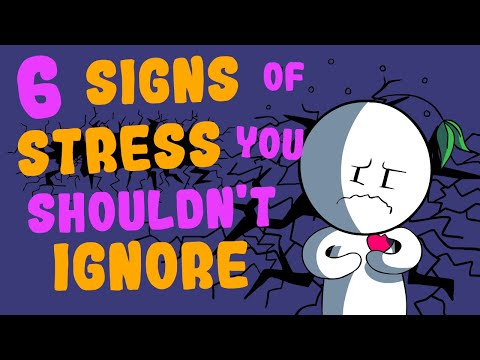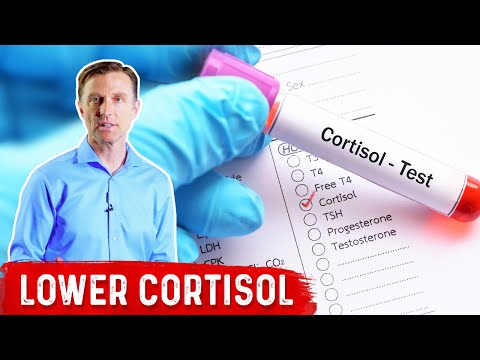
You know that feeling when you’re just overwhelmed? Like everything is piling up, and you can’t catch your breath? Yeah, stress and anxiety have a sneaky way of creeping into our lives.
Sometimes, it’s hard to spot the signs until they hit you like a ton of bricks. You might feel restless or irritable, or maybe it’s that tightness in your chest that just won’t go away.
And let’s be real: we all have those days where everything feels too much. It could be work, family, or just… life!
So, how do you know when it’s time to take a step back? Let’s break down some of those everyday signals.
Understanding the Physical Symptoms of Stress: A Comprehensive Guide
Stress is that sneaky little monster that can creep up on you without warning. One minute you’re chillin’, and the next, your heart’s racing like you’re about to run a marathon. It’s not just in your head; stress can show up physically in some pretty wild ways. So let’s break it down, shall we?
Physical Symptoms of Stress
When life gets hectic, and stress kicks in, your body reacts—sometimes without you even realizing it. Here are some common physical symptoms:
- Headaches: Ever notice those tension headaches when you’re juggling too many tasks? Yup, that’s stress talking.
- Fatigue: Sometimes you feel tired even after a full night’s sleep. This can be due to stress draining your mental energy.
- Muscle Tension: You might find yourself clenching your jaw or tensing your shoulders. Your body thinks it’s preparing for battle or something!
- Digestive Issues: Stress can mess with your stomach big time. You might feel nauseous or notice changes in your appetite.
- Sweating: That awkward sweat during a meeting? That can be stress-related hyperhidrosis making an appearance.
- Pounding Heart: If you feel like your heart’s doing the cha-cha when you’re stressed, it’s just adrenaline kicking in.
These symptoms can vary from person to person—what makes one person jittery might roll off someone else like water off a duck’s back.
The Connection Between Mind and Body
Here’s something interesting: **your brain and body are like best friends**. When you experience stress, it sends signals through hormones that put your body into high alert mode. This reaction is natural but can lead to a cycle of feeling anxious or overwhelmed while dealing with these symptoms.
Let me share a little anecdote here! I remember one time I had an important presentation coming up at work. The night before, I was tossing and turning, feeling my muscles tense up as if I was gearing for a fight. My stomach was churning too! Turns out my mind was racing through all the possible “what-ifs,» making my body react in ways I didn’t even realize until later.
The Importance of Identification
Recognizing these physical signs is super important for managing stress effectively because ignoring them could lead to bigger problems down the line! So how do you know when it’s time to take a step back? The key is to listen to yourself—like really listen.
If those headaches or fatigue don’t go away after you’ve taken some time for yourself, then maybe it’s time to rethink how you’re handling things day-to-day.
Coping Strategies
Okay, so what can you do about it? Well, there are plenty of ways to tackle that pesky stress monster:
- Exercise: Seriously! Getting active helps release those feel-good hormones called endorphins.
- Meditation: Even five minutes of mindfulness breathing can do wonders.
- Talk About It: Chatting with friends or family members can lighten the load.
- Cognitive Behavioral Techniques: These focus on changing negative thought patterns which can ease anxiety and stress responses.
Remember, everyone experiences stress differently. What might work wonders for one person may not be the same for another. It takes some trial and error before finding what works best for *you*!
To wrap all this up: understanding the physical symptoms of stress isn’t just about recognizing what’s happening—it’s about taking charge and finding ways to cope better so that life doesn’t keep throwing curveballs at ya! Always keep an eye out for how you’re feeling both mentally and physically; they’re more connected than you think!
Understanding the Symptoms of Stress Leaving the Body: A Comprehensive Guide
Stress, you know, has this sneaky way of showing up in our lives. It can be hard to identify because it often creeps in slowly. But if you pay attention, your body gives you hints. Let’s break down what happens when stress leaves the body and what signs to look out for.
When we experience stress, it triggers a response in our body called the fight or flight response. This is like an alarm system going off! Your heart races, breathing quickens, and adrenaline surges through your veins. It’s great for immediate dangers but not so much for long-term worries.
Now, moving on to some key symptoms that signal stress leaving the body:
- Physical Tension: You might notice tightness around your shoulders or neck. That’s your muscles tensing up without you even realizing it.
- Headaches: Stress can lead to tension headaches or even migraines. Ever felt like your head was in a vise? That could be stress talking.
- Digestive Issues: Stress can mess with your stomach too—think butterflies, bloating, or even changing bathroom habits.
- Sweaty Palms: If you’re sweating more than usual when there’s no heat around, that might be a sign that stress is hanging on.
- Panic Attacks: Sometimes you might feel an overwhelming wave of fear or anxiety that seems out of nowhere—classic panic attack territory.
- Fatigue: Feeling totally drained? Stress can zap your energy faster than you think!
- Cognitive Fog: Trouble focusing? You might feel like you’re thinking through a haze. That’s not just a bad day; it’s often stress clouding your brain.
Now let’s talk about how these symptoms manifest in real life. Imagine this: you’ve had a rough week at work—lots of deadlines and maybe some conflicts with coworkers. You leave one Friday feeling totally fried and think a weekend getaway will fix everything.
But by Sunday night, at dinner with friends, you struggle to enjoy yourself. You’re preoccupied with thoughts about work deadlines creeping back into your mind while trying to enjoy dessert. This is stress leaving its mark!
So here’s the thing—once we recognize these signs of stress leaving our bodies, we can try to manage it better. Techniques like mindfulness meditation or even simple breathing exercises can help ease that tension and slow down that racing heart.
At the end of the day, knowing these signs allows us to take action before things become overwhelming. It’s all about being attuned to what your body’s telling you!
Understanding Symptoms of Stress and Anxiety in Women: Key Indicators and Insights
Okay, let’s talk about stress and anxiety! It’s something many women experience, and sometimes it just sneaks up on you, right? You might be feeling a bit off without really knowing why. So, what are the key indicators to watch for? Here’s a quick rundown.
First off, physical symptoms can be a major clue. You know when your chest feels tight or you have that nagging headache that won’t go away? It could be stress. Maybe you notice you’re clenching your jaw or grinding your teeth in your sleep. Those little signs can add up!
- Fatigue: Feeling like you’re running on empty? Stress can drain your energy.
- Sleep disturbances: Whether it’s trouble falling asleep or waking up too early, stress messes with rest.
- Digestive issues: Ever felt nauseous before a big meeting? Stress can upset your stomach.
Now let’s dive into the emotional side of things. You might find yourself feeling more irritable or getting upset over small stuff. It’s like everything is magnified, right? That could be a sign that anxiety is creeping in.
You know how sometimes you’re just sitting there, and suddenly you feel this wave of panic wash over you? That could be an anxiety attack—your body reacting to too much pressure. During those moments, taking slow breaths can help calm things down.
- Persistent worry: Do you catch yourself obsessively thinking about what could go wrong?
- Avoidance behavior: Maybe you’re dodging social events because they feel overwhelming.
- Diminished concentration: Struggling to focus on tasks at work or home?
And here’s something that often gets overlooked: the impact on relationships. If you’re feeling stressed out, it might affect how you interact with friends and family. Little disagreements can feel bigger than they are; it’s like putting a magnifying glass on everything. This kind of strain can lead to isolation; suddenly reaching out feels like too much effort.
So yeah, these symptoms are pretty common but often misunderstood—they’re not just “in your head.” They’re real signals from your body saying “Hey! Something’s not right!” Acknowledging them is the first step toward figuring out what’s going on.
If any of this resonates with you—like maybe you’ve been feeling more anxious than usual—it might be worth talking about it with someone. Just remember: being aware of these signs means you’re already taking steps toward understanding what’s happening within yourself!
Stress and anxiety are like those uninvited guests that just kind of show up at your door, you know? Sometimes you don’t even realize they’ve walked in until you’re feeling overwhelmed. It’s easy to brush off a headache or a racing heart as just “a tough day,” but those little signs can pile up and become hard to ignore.
Think about it: maybe you’re getting irritable for no clear reason, snapping at friends or family over minor things. Or perhaps you’ve noticed that you’re constantly tired, even after a full night’s sleep. You might find yourself tossing and turning at night, unable to quiet that busy brain of yours. These feelings can creep in slowly, and before you know it, they’re taking over your daily life.
A friend of mine once told me she thought she was just being really productive when she skipped meals because she was too «busy.» But in truth, her stomach was churning with anxiety, making it hard for her to focus on anything besides the mounting pressure from work. It took a bit for her to connect the dots between her stress and how she was treating herself—once she did, things started to change.
Recognizing these signs isn’t always easy—we’re often too caught up in our routines. Maybe you’re forgetting little details or feeling more restless than usual. You could be avoiding social situations because they feel like way too much effort right now. These are all hints from your body and mind saying something isn’t quite right.
So, when life starts feeling heavy, take a moment to pause and check in with yourself. Are you feeling anxious? Stressed? Sometimes just bringing awareness to those feelings can help lighten the load—even if it’s just a little bit! You’ll be surprised how much clarity can come from simply acknowledging what you’re going through. And who knows? Maybe you’ll start noticing those signals earlier next time!