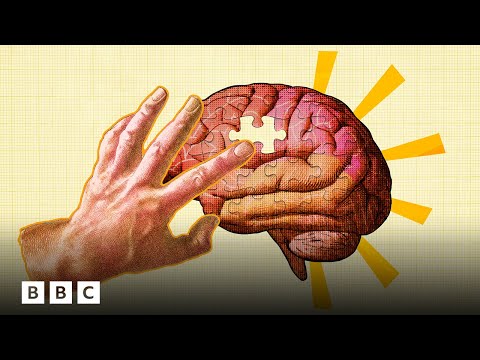
Ah, teenage years. They’re like a rollercoaster ride, right? One minute you’re flying high, feeling on top of the world. The next? You’re in the depths of despair over a text not replied to.
Seriously, what’s up with all those mood swings? One day you’re laughing with friends, and the next, it feels like everything’s falling apart. It can be super confusing—not just for teens but for parents trying to make sense of it all.
But here’s the deal: there’s so much going on behind the scenes. Hormones, friendships, school stress… all that jazz. Each play a part in how you feel from one moment to the next.
So let’s chat about what’s really happening in that whirlwind of emotions during these wild teenage years! You might just find it helps make sense of the chaos.
Understanding Tween Moodiness: Key Insights for Parents Navigating Emotional Changes
Tween moodiness is a real thing, and if you’ve got a kid in that stage, you probably know what I mean. It can feel like you’re walking on eggshells some days. One minute they’re laughing and dancing around the house, and the next, they’re sulking in their room like a storm cloud just rolled in. So what’s behind this emotional rollercoaster? Let’s break it down.
First off, tweens are dealing with a lot of changes. They’re transitioning from childhood to adolescence, which is no small feat. Biological changes come into play, like hormonal shifts that can affect mood and behavior. You know how sometimes you just feel “off” for no reason? That’s kind of what they experience more intensely.
Then there’s social pressure. Tweens start caring more about friendships and fitting in at school. If their best friend has a falling out, it can feel like the end of the world! Imagine this: You’re suddenly worried about being left out of your friend group or not being cool enough. It’s stressful.
And let’s not forget about their budding independence! They want to assert themselves more, but they still rely on you for support. This tug-of-war can lead to some serious mood swings—one moment they might want your advice on everything, and the next they’re rolling their eyes at your suggestions.
Another crucial point is cognitive development. Their brains are working hard to process everything differently now. Critical thinking skills are emerging; they’re starting to see gray areas instead of just black and white when it comes to rules or expectations. This shift can lead to questioning authority—yup, that includes you!
So here’s how you might navigate this emotional maze as a parent:
- Listen actively: Sometimes all they need is someone to vent to.
- Create an open environment: Encourage them to share how they’re feeling without judgment.
- Set clear boundaries: It’s okay to be firm but fair; tweens need structure despite their push for independence.
- Model emotional regulation: Show them how you handle stress or frustration appropriately.
Incorporating these strategies could help ease some tension at home during those tough moods. Remember, it won’t always be easy—there will still be eye rolls and slamming doors—but showing understanding matters so much!
Think back to your own tween years (if you’re around my age!), right? Maybe there were moments when everything felt intense—even if looking back now seems silly. Holding onto that empathy can go a long way when addressing your tween’s ups and downs.
Ultimately, understanding tween moodiness isn’t just about weathering the storm; it’s also about guiding them through these turbulent waters into calmer seas ahead!
Understanding Teenage Mood Fluctuations: A Psychological Perspective on Adolescent Emotional Development
So, if you’ve ever been around teenagers, you might have noticed they can swing from super happy to suddenly moody in, like, a blink of an eye. Seriously, one moment they’re laughing with friends and the next they’re sulking in their room. What’s up with that? Understanding teenage mood fluctuations can be a real eye-opener when it comes to grasping their emotional rollercoasters.
First off, hormones play a huge part. During adolescence, your body experiences rapid changes. It’s like a major upgrade: puberty brings a rush of hormones like estrogen and testosterone. These chemical changes are kinda like riding the ultimate emotional wave—sometimes they peak and crash unexpectedly. That’s why your teen might seem fine one minute and then totally irked the next.
Another thing to consider is brain development. The teenage brain is still maturing; areas responsible for impulse control and decision-making aren’t fully developed yet. Think of it as having a fancy sports car without knowing how to drive it properly. This can lead to rash decisions or intense reactions because they’re still figuring things out.
Then there’s social pressure. Teens are navigating friendships and social dynamics while trying to establish their own identities. It’s tough! Imagine having to fit in while also trying to be yourself; that push-and-pull creates stress which can lead to mood swings. They may feel great when hanging out with friends but stressed during group projects or conflicts.
And let’s not forget about external factors. School pressures, part-time jobs, or even family issues can all weigh on them. If they’re dealing with homework overload or relationship drama, it’s no surprise their moods might take a nosedive.
Coping mechanisms are also evolving during these years. Teens might not have learned effective ways to deal with stress—like talking about their feelings instead of bottling them up. This lack of skills can make them react more intensely when they face challenges.
To illustrate this whole situation better: imagine Sarah, a 16-year-old who just got her driver’s license. She feels ecstatic driving her friends around one day but completely flips out when she fails an important math test the next day. That sort of inconsistency can be frustrating for both teens and adults who don’t quite understand what’s going on beneath the surface.
In short, understanding teenage mood fluctuations involves looking at biological changes (hello hormones!), brain development (where impulse meets confusion), social dynamics (fitting in while being yourself), external pressures (like grades), and coping strategies (or lack thereof). Each aspect contributes to the emotional whirlwind many teens experience—you follow me?
Recognizing these factors doesn’t just help adults understand teens better; it also gives teens themselves insight into what they’re feeling. Learning that mood swings are normal can be reassuring—everyone goes through this phase! So yeah, if you find yourself rolling your eyes at those sudden shifts in attitude or behavior, remember there’s more going on under the hood than meets the eye!
Understanding Adolescent Emotions: The Neurobiology Behind Developmental Changes
Adolescence is like a rollercoaster ride full of ups and downs, emotions swinging from one extreme to another. You may have noticed this moodiness in yourself or the teenagers around you. Well, it’s not just because they’re being dramatic! There’s some really interesting neurobiology at play here.
First off, let’s talk about the brain. During adolescence, there’s a ton of development happening, especially in two key areas: the prefrontal cortex and the limbic system. The prefrontal cortex is involved in decision making and impulse control, while the limbic system handles emotions and pleasure. Here’s the kicker — the limbic system develops earlier than the prefrontal cortex. So, you can see how that might lead to some pretty intense feelings without much control!
Imagine a teen feeling overwhelmed with excitement about getting their driver’s license. They may rush into things without thinking about possible consequences—like neglecting study time because they just can’t wait to hit the road. These rapid emotional swings often come from this imbalance between emotion-driven behavior and logical thinking.
Another piece of this puzzle is hormones. When teens hit puberty, hormones like testosterone and estrogen spike significantly. These changes can affect mood significantly. For instance, you might find that one moment a teenager is on top of the world, and then suddenly they’re irritated or upset over something small—like their favorite show getting canceled. It’s all tied to those hormonal shifts!
Social dynamics also play a huge role in how emotional states fluctuate during these years. Teens are figuring out their identities while navigating friendships, which can be super challenging! When someone feels left out or experiences drama with friends, it can feel like everything’s falling apart.
Let’s break down some key points about adolescent emotions:
- Brain Development: The limbic system matures faster than the prefrontal cortex.
- Hormonal Changes: Hormones like testosterone and estrogen impact mood swings.
- Social Relationships: Peer influences create additional emotional stressors.
- Coping Skills: Teens may not have fully developed coping strategies for managing intense feelings.
It might be hard for them to express what they’re going through too! They could be feeling a whirlwind of emotions but struggle to put it into words—or worse—they might lash out instead.
So what does all this mean? Understanding these developmental changes can help adults support adolescents better during these wild years. When you see those mood swings, remember there’s more happening underneath than just typical teenage angst! It helps to approach situation with empathy instead of frustration.
At the end of the day, adolescent emotions are complex but completely normal. With time and understanding from family and friends, teens learn how to navigate their feelings better as they grow older—and that rollercoaster eventually begins to level out!
Teenage mood swings are pretty much a given, right? I mean, if you’ve been around teens or were one yourself, you know how it goes. One minute they’re laughing and joking, and the next, it’s like someone just flipped a switch. It’s enough to make anyone dizzy! But what’s really going on in their noggins?
So here’s the thing: during the teenage years, our brains are doing some heavy construction work. Seriously! The prefrontal cortex, that part of your brain that helps with decision-making and regulating emotions? Yeah, it’s still being built. At the same time, there’s a surge in hormones that can turn even the calmest person into a walking emotion factory. All those changing chemicals can lead to feelings of anxiety or happiness swinging back and forth like a pendulum.
Let me tell you about a friend from high school named Sarah. One day we’d be jamming out at her house having the best time ever—pizza parties, movie marathons—you name it. And then out of nowhere, she’d just shut down. It was like trying to talk to a brick wall. You could see her smile disappear in an instant, and everything felt heavy when she entered one of those moods. It was tough for all of us watching her go through that.
Now think about what might be happening under the surface. During those years, teens often face pressures from schoolwork, social dynamics—like who sits at what lunch table—and family expectations. With all that on their plates, it’s no wonder they sometimes blow hot and cold. It’s almost like their emotional responses are cranked up to eleven!
The reality is that these fluctuations don’t just come from hormones; they also stem from environmental factors and personal experiences too—stuff happening in their lives that gives them anxiety or excitement one minute but brings them down the next.
It’s also worth noting that emotional resilience develops over time. So while one day they’re feeling untouchable and bold enough to share their dreams with friends—and then other days feeling lost or even sad—it’s part of learning how to navigate life.
So if you find yourself dealing with a teen who’s got mood swings like you’re riding a roller coaster? Remember it’s not just them being difficult; there’s a lot going on behind those eyes! Just give them space when they need it—and maybe offer some love when they’re ready for it again. Ultimately it’s all about understanding this chaotic but beautiful phase of growing up!