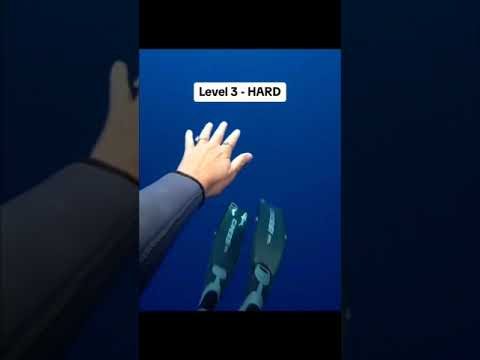
You know that feeling when you’re staring at the ocean, and it just looks… endless? Super beautiful, but also a little terrifying? Yeah, that’s thalassophobia for you.
A lot of people have it—fear of the sea or deep water. It’s way more common than you might think. You might even feel it yourself!
But what’s behind this fear? It’s not just about the big waves or murky depths. There’s a whole psychological angle to it.
So let’s chat about what makes us uneasy around water and why sometimes, our brains get a bit carried away. Trust me, this is gonna be interesting!
Understanding the Sudden Onset of Thalassophobia: Causes and Insights
Thalassophobia, or the fear of the sea, can hit you out of nowhere. One day, you might be perfectly fine with water—swimming, sailing, or just chilling on the beach. Then out of the blue, you feel this overwhelming dread at the thought of deep water. What’s going on there? Well, let’s look into it.
First off, past experiences often play a big role in developing thalassophobia. If you’ve had a scary encounter with the ocean—like near-drowning or being caught in a strong current—it can easily trigger anxiety about similar situations in the future. It’s like your brain creates this mental alarm system that goes off whenever you’re near large bodies of water.
- Media Influence: Ever seen a horror movie where something pops out from beneath the waves? Those images stick with us! The portrayal of sharks and mysterious sea creatures doesn’t help either. Our brains can associate these fears despite knowing they’re exaggerated.
- Cultural Factors: Some cultures have myths and stories about dangerous seas or supernatural elements lurking beneath. Growing up hearing those tales might embed a sense of fear deep down.
- Lack of Exposure: If you’re not used to being around large bodies of water as a kid or even as an adult, it can make you uneasy when you finally do venture out. It’s kinda like stepping into a new environment where everything feels foreign and frightening.
- Panic Attacks: If you’ve experienced panic attacks before while near water, that can also lead to thalassophobia. Your mind starts associating deep water with panic—making it hard to relax around it again.
Your emotional state matters too! Anxiety and depression can heighten feelings of fear about water. You might find yourself overthinking potential dangers when you’re feeling low or stressed out overall. It’s almost as if your mind is looking for something to latch onto as a source of worry.
Another interesting factor is sensitivity to change. People who are generally sensitive might have stronger reactions to new situations, including changes in environment like moving from land to sea. When you’re suddenly faced with something vast and unknown like an ocean, it’s enough to send anyone spiraling into discomfort.
If we think about famous explorers or scientists who studied oceans—they weren’t just fascinated; many experienced fear too! But they pushed through because they were curious and sought understanding instead of frightening themselves further away from it.
The thing is: getting over thalassophobia is possible! Exposure therapy is one option where gradual exposure helps lessen the fear response over time. This could mean starting small—like paddling in shallow waters—before heading further out as comfort grows.
To wrap things up: understanding thalassophobia involves diving into not just personal experiences but also how external factors influence our feelings towards vast open waters. It’s okay to have fears; what matters is how we deal with them!
Discover Your Thalassophobia: Take Our Comprehensive Test Today
You know, thalassophobia is one of those terms that sounds fancy but simply means a deep fear of the sea or large bodies of water. This fear can hit you right in the gut, leaving you anxious just thinking about being near the ocean. It’s like when you’re staring out at the waves, and you get this overwhelming feeling that something scary is lurking just below the surface.
So, what makes people develop this fear? Well, it can stem from a few different things. For some, it might be an experience—maybe they had a close call while swimming or saw a movie where someone got into trouble in deep water. Even stories from friends or family can plant seeds of anxiety about what’s beneath those waves.
Let’s break it down a little more:
- Childhood Experiences: Sometimes fears develop during childhood. If you grew up hearing stories about shipwrecks or even just watching shows where characters encounter danger at sea, it could make your brain link water to danger.
- Traumatic Events: If you’ve experienced something traumatic related to water—like nearly drowning or even being caught in a storm—you may find that every time you see water afterward, those memories flood back.
- Anxiety Disorders: Thalassophobia might not exist alone; it can come hand-in-hand with other anxiety disorders. If you tend to be anxious about other things, this might spill over into how you feel about the sea.
It’s also interesting to consider how common these fears are. A lot of people share similar worries when faced with vast oceans or even large lakes! It’s not unusual to feel small and vulnerable in front of so much water.
Now, if you’re thinking about whether you have thalassophobia, maybe there are signs that pop up for you: do you avoid going to the beach? Do pictures of the ocean make your heart race? Or when you’re on vacation near water, do you feel like your throat’s getting tight and it’s hard to breathe? Those reactions can be clues.
Recognizing your feelings is super important! Being aware can help mitigate those anxious vibes when facing open waters. Sometimes simply talking about your fears with friends or writing them down can bring some clarity.
In essence, thalassophobia reflects our natural instincts—the urge to stay safe and avoid what we don’t understand fully. Engaging with this fear gradually and understanding its roots might help calm those unexpected waves of anxiety that crash over us when we’re near the sea. You follow me? It doesn’t have to rule your life unless we let it!
Understanding Thalassophobia: The Fear of Deep Water Explained
Thalassophobia is a term that describes an intense fear of deep water or the vast ocean. You might feel uneasy just thinking about the enormous, dark depths below, right? It’s one of those fears that can be both fascinating and terrifying at the same time. So, let’s break this down a bit.
For many people, thalassophobia isn’t just about not liking water. It often dives deeper—pun intended! Some folks experience real anxiety when faced with large bodies of water. Imagine standing at the edge of a cliff overlooking the ocean and feeling your heart race or your palms sweat. That’s thalassophobia for you.
The psychological roots of this fear might stem from various experiences or feelings. It could be tied to personal experiences like near-drowning incidents or just being overwhelmed by not knowing what lies beneath the surface. Ever watched a suspenseful movie that involved underwater scenes? Those gripping moments can fuel anxieties too.
Here are a few aspects that can contribute to thalassophobia:
- The Unknown: The ocean is mysterious and vast, making it easy to feel anxious about what could linger in those deep waters.
- Your Imagination: Sometimes, our minds create scary scenarios. Like, what if there are creatures lurking down there? This fear can become very real!
- Cultural Influences: Movies and media play a big role too. Think Jaws! Such films can plant seeds of fear in our minds.
- Personal Experiences: A past trauma related to water or swimming can really shape your feelings towards deep water.
It’s important to remember that not everyone who isn’t a fan of swimming has thalassophobia. Some people simply prefer the beach where they can see what’s around them instead of venturing into deeper waters.
Also, interestingly enough, thalassophobia can overlap with other phobias or anxiety disorders. If you’re already prone to anxiety, experiencing fear in open water might heighten those feelings even more.
So how do you know if your fear is actually something more serious? You may find yourself avoiding outings near lakes or oceans altogether or having panic attacks when thinking about them. If you’re feeling overwhelmed by these emotions consistently, it could be worth exploring further with someone who gets it.
In some cases, facing this fear may involve gradual exposure—like hanging out on the shore before taking the plunge deeper into those waves! How you cope will depend on your comfort level and personal history.
Thalassophobia might seem odd to those who love seasides and beach days but rest assured; it’s more common than you think! Understanding it better helps bring light to why certain folks feel uneasy around deep waters while others splash freely without a care in the world.
Thalassophobia, huh? That’s a pretty intense word for a fear that many people share without even realizing it. You know, the fear of deep water or the ocean itself. It can really grip you, leaving you feeling anxious just thinking about stepping onto a boat or looking out at those endless waves. But what’s really behind this fear?
Imagine being on a beach, the sun shining down and the waves crashing softly on the shore. But instead of feeling relaxed, your stomach drops at the thought of what lurks beneath the surface—the unknown monsters or deep dark waters that seem to stretch on forever. I once had a friend who’d freak out just watching documentaries about sharks or shipwrecks. You could see it in her eyes; her heart raced as she imagined being in those situations.
So, why does this happen? Well, our brains are wired to recognize threats and keep us safe. For some folks, deep water represents danger because it’s unpredictable and vast; you can’t see what’s happening below. There’s always that nagging worry — what if I drowned? Or what if something pulls me under? That sense of vulnerability triggers anxiety.
Interestingly enough, this fear might also tie back to early experiences. If someone had a scary encounter in water as a child or maybe heard stories that rattled their nerves, those memories can stick around longer than we think. Even watching horror movies where things go wrong in water can add fuel to the fire.
And hey, it doesn’t help that societal images often paint the ocean as mysterious and dangerous—think of all those thriller movies where someone gets stranded at sea! Our culture tends to amplify these fears until they feel like an all-consuming reality for some people.
But here’s where it gets interesting: not everyone who has thalassophobia has had some big trauma connected with water; sometimes, it’s more about imagination running wild. This is why exposure therapy works for many folks—baby steps into dealing with that fear can reshape how we view these massive bodies of water over time.
Even though thalassophobia might seem irrational to those without it (like me! I love the sea), understanding its roots helps us approach it with empathy rather than judgment. It’s like peeling back layers of an onion—you uncover each one until you get to the core.
So if you know someone who’s got a thing about deep water, remember there’s likely more beneath the surface—pun intended! Fear is complicated but totally normal and human too.