You know how everyone has that unique vibe? Like, some folks are super chill while others are always on the go. It’s interesting, right? Well, that’s personality for you.
Ever heard of the Big Five traits? They’re kind of like a cheat sheet for understanding why people act the way they do.
Imagine scoring high in openness and being curious about everything—like, you’d probably be the friend who tries every new restaurant and shows up to book clubs with suggestions!
Then there’s conscientiousness. If you’re all about planning and getting things done, you’re probably a go-to person when life gets chaotic.
Let’s not forget about extroversion. Are you the life of the party or someone who prefers cozy nights in? This plays a huge part too!
And that’s just scratching the surface. So come along as we break down these traits and see what makes you—you!
Understanding the Antithesis of Neuroticism: Exploring Emotional Stability and Its Implications
Emotional stability is kind of like the calm in the storm. Picture someone who’s faced with a big challenge, like losing their job. Instead of spiraling into anxiety or self-doubt, they handle it with a cool head. They might feel upset, sure, but they don’t let those feelings take control. This quality is basically the opposite of neuroticism.
Neuroticism refers to a tendency towards emotional instability and negative emotions. People high in neuroticism may experience anxiety, mood swings, or even depression more often than others. They can get overwhelmed by stress and may worry excessively about little things that most folks brush off. It’s like walking around with a heavy backpack filled with worries.
On the flip side, emotional stability shines because it helps you cope better when life throws curveballs at you. Here’s how it plays out:
- Reduced Anxiety: Those who are emotionally stable usually don’t sweat the small stuff. They’re less likely to react strongly to stressors.
- Better Relationships: People who maintain emotional stability often find it easier to connect with others since they handle conflicts calmly.
- Easier Decision-Making: When things get tough, stable individuals can think clearly without getting bogged down by their emotions.
Let’s chat about some real-life implications here. Imagine you’ve got two friends: one is pretty anxious and tends to overreact when plans change; the other takes it in stride and rolls with whatever happens next. Over time, guess which friend people are more likely to turn to for support? Right! The one who’s emotionally stable tends to be that steady rock in your life.
Also, think about work situations—emotionally stable people are often seen as reliable colleagues. They show up on time, make rational decisions during crises, and don’t let nerves get in the way of their performance. You’d probably want them as your team lead when things heat up!
Interestingly enough, emotional stability is one of those traits linked closely to overall well-being and happiness too! Studies suggest that if you can cultivate this quality within yourself, you’re likely gonna enjoy life more and experience fewer ups and downs.
Now let’s talk growth for a sec; developing this trait isn’t just waving a magic wand though! It takes reflection and practice—like learning how to handle stress through mindfulness or adopting positive thinking techniques.
In summary, while neuroticism may have its challenges—like heightened sensitivity to stress—emotional stability opens up avenues for better relationships and successes in both personal and professional realms. It’s all about finding that balance between feeling your feelings but not letting them control your life!
Understanding the Big 5 Personality Traits: A Simple Guide to Psychological Insights
Understanding personality is kinda like trying to solve a puzzle. You’ve got all these pieces that fit together to show who you are. One of the most popular ways to break this down is through the **Big Five Personality Traits**. This framework helps us see how people tick, what they value, and how they might behave in different situations.
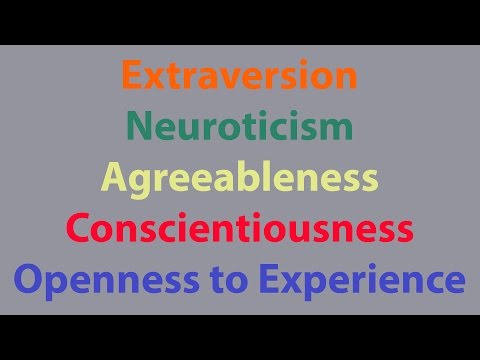
The Big Five traits are: Openness, Conscientiousness, Extraversion, Agreeableness, and Neuroticism. Let’s take a closer look at ‘em one by one.
- Openness: This trait is all about how open-minded and willing you are to try new things. A high score in openness means you might be creative and curious. Think of your friend who loves experimenting with new recipes or diving into unusual hobbies—yup, that’s openness for ya!
- Conscientiousness: If you’re organized and reliable, you’ve probably got high conscientiousness. It reflects how much you value structure and dependability. Picture someone who always finishes their projects on time and plans their day down to the hour—that’s classic conscientiousness.
- Extraversion: This trait measures how energized you feel by social situations. If you’re outgoing and love being around people, you’re likely high in extraversion. You know that person who lights up a room when they walk in? Yep, that’s what extraversion looks like!
- Agreeableness: This one’s about being kind and cooperative versus competitive or confrontational. If you tend to get along with just about everyone and prioritize harmony in relationships, then you’re scoring high here! Like when your buddy always tries to mediate arguments—you can count on them for that.
- Neuroticism: Now this trait deals with emotional stability—basically, how prone you are to experiencing negative emotions like anxiety or sadness. High neuroticism means those feelings hit harder or more often; think about someone who’s always stressed over little things.
You might be wondering how these traits actually play out in real life? Well, let’s say two friends are planning a trip together. One friend is really high in conscientiousness; they plan every detail meticulously—flight times, accommodation check-ins—you name it! The other has high openness; they’re all about going with the flow and discovering places as they come up! Both approaches have their perks but can definitely clash if they’re not communicating well.
Remember too that personality isn’t set in stone! It can shift depending on the situation or as people go through life experiences. So someone who’s typically introverted might thrive during a talk at work if it’s something they’re passionate about—which shows there’s flexibility in human behavior.
So understanding where you fall on these five traits gives insight into your behaviors and preferences—and maybe even helps improve your relationships by understanding where others stand too! It’s all interconnected; knowing yourself better leads to better connections with others too.
In essence, the Big Five gives us an accessible way to explore our personalities without getting too tangled up in theories or jargon—just good old human behavior laid out simply!
The Big Five Personality Test: Understanding Its Implications in Legal Settings
The Big Five Personality Test is a way to look at personality through five main traits. These traits are **Openness**, **Conscientiousness**, **Extraversion**, **Agreeableness**, and **Neuroticism**. Understanding these can seriously change how people think about behavior in legal settings. Let’s break this down a bit.
Openness refers to how open-minded and imaginative someone is. In legal settings, this trait might come into play when assessing a person’s ability to consider different perspectives or new ideas, especially during negotiations or jury duties. For example, a juror high in openness might be more willing to entertain new evidence or arguments.
Then there’s Conscientiousness. This trait is all about being organized, responsible, and diligent. Lawyers often benefit from high conscientiousness because it can relate to reliability in meeting deadlines and following complex legal procedures. A lawyer who scores high in this trait might be more detail-oriented, which can make a huge difference in case preparation.
Now let’s talk about Extraversion. This one’s pretty straightforward—extraverts are social butterflies while introverts prefer solitude. In courtrooms, an extravert might shine during witness examinations or public speaking situations. They typically bring energy into interactions but may also dominate conversations or overwhelm quieter personalities.
Next up is Agreeableness, which deals with kindness and cooperativeness. In legal terms, someone who’s high on agreeableness may find it easier to negotiate settlements without conflict due to their tendency to empathize with others’ feelings. But sometimes this could backfire; overly agreeable individuals might struggle when tough decisions need to be made.
Lastly, we have Neuroticism. This trait reflects emotional instability and anxiety levels. In a high-stakes environment like the courtroom, someone with high neuroticism may become overly stressed or reactive under pressure—making it tough for them to perform well when it counts the most.
So basically, each of these Big Five traits carries implications for how individuals behave in legal contexts:
- Openness: Influences adaptability during trials.
- Conscientiousness: Affects reliability and attention to detail.
- Extraversion: Impacts communication effectiveness.
- Agreeableness: Influences negotiation styles.
- Neuroticism: Affects stress levels in critical situations.
It becomes clear that understanding personality through the lens of the Big Five can really help lawyers choose jurors wisely or even approach cases differently based on their client’s personalities. Plus, knowing these traits could assist judges in understanding behaviors during trials.
In short: The Big Five Personality Test isn’t just a fun quiz; it’s got real-world applications that affect everyone involved in legal processes—whether you’re a lawyer strategizing for a case or part of a jury trying to weigh evidence fairly!
You know, personality is such a fascinating thing. It’s like the lens through which you see the world and interact with everyone around you. When you break it down, there are these five major traits that psychologists often talk about—called the Big Five—that really help define who we are as individuals.
So, like, let’s jump right in. The first trait is Openness. If you’re high on this scale, you’re probably one of those adventurous types who love to try new foods or explore different cultures. I remember my friend Mia; she once traveled solo to a country where she didn’t even speak the language! I always admired how open she was to new experiences.
Then there’s Conscientiousness, which is all about being organized and responsible. People who score high here tend to keep their lives in order, plan ahead, and generally stick to their commitments. On the flip side, if you’re more spontaneous or laid-back about things? You likely wouldn’t get too stressed over a messy room!
Next up is Extraversion. Are you the life of the party or do you prefer cozy nights at home with a book? This trait shows how outgoing or reserved you are. You might know someone who can chat up a storm with just about anyone—while others might feel pretty drained after social gatherings.
Now let’s talk about Agreeableness. If you’re kind-hearted and empathetic, chances are your Agreeableness score is high. You tend to be compassionate and prefer harmony over conflict. But if getting into arguments or standing your ground feels more natural? Maybe that’s because you’re on the lower end of this spectrum.
Finally, there’s Neuroticism. This one deals with emotional stability—or instability, if we’re being honest! People high in Neuroticism might experience anxiety or mood swings frequently. In contrast, low scorers typically keep their cool in stressful situations.
What strikes me about these traits is how they interplay with our daily lives. Like one time at work—my colleague Jake is super conscientious but has a low score on Extraversion; he’d rather wrap up his tasks than join us for lunch out sometimes! Meanwhile, Sarah’s openness leads her to bring wild ideas into our brainstorming sessions—even if some seem far-fetched!
It’s not just black-and-white either; most folks fall somewhere in between each trait’s extremes—it’s more like sliding scales than fixed spots on a map. Understanding these traits helps us appreciate why people behave differently and maybe find some common ground.
So whether you’re assessing yourself or others around you through this Big Five lens, it can really help demystify those quirky habits or reactions we all have—just makes human behavior that much cooler to ponder!