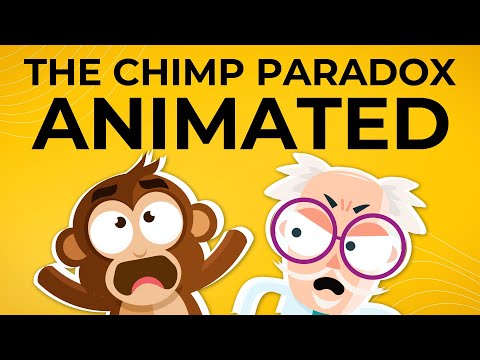
Okay, let’s talk about something that’s super interesting. Ever feel like your brain is a bit of a circus? Like, one minute you’re chillin’, and the next, you’re ready to flip out over something small?
That’s where the Chimp Paradox theory comes into play. It’s this wild idea that your mind has different parts that don’t always get along. Picture a little chimp in your head going nuts while you’re trying to focus on something important.
But here’s the thing: finding balance in all that chaos can seriously change how you handle life. So, if you wanna understand why your thoughts sometimes seem like they’re at war with each other, stick around! Let’s figure this out together.
Understanding the Chimp Paradox: A Simple Explanation of the Concept
The Chimp Paradox is a really interesting concept that helps you understand how your mind works. It’s based on the idea that our brains have different parts, just like a team with various players, and sometimes they don’t always get along. Basically, you have your **rational mind** and your **emotional mind**, which is often represented as a chimp.
Your Rational Mind is the part of you that thinks logically and makes decisions based on facts. It’s like the coach of your brain. This part can analyze situations, plan ahead, and keep cool under pressure.
Your Emotional Mind, on the other hand, is represented by the chimp. This part reacts quickly to emotions and instincts—think fight or flight. When you’re stressed or scared, it’s the chimp who takes over, sometimes causing chaos.
You see, while your rational mind wants to handle things calmly, the chimp might freak out over small stuff! Picture this: You’re at work and get criticized by your boss. Your rational mind might say, “Okay, I can learn from this,” while your chimp could shout something like “Why are they picking on me?!” The two sides pull you in different directions.
Here are some key aspects of the Chimp Paradox:
- Identifying Your Chimp: Acknowledging when your emotional side is taking charge can help you regain control.
- Managing Emotions: Instead of acting impulsively because of how you feel at that moment, it’s about finding ways to calm down.
- Cognitive Strategies: Techniques like mindfulness can help quieten the chimp so that the rational mind can step up.
Understanding all of this means you’re better equipped to handle life’s ups and downs. Like when your friend bails on plans last minute—you could either let your chimp roar about betrayal or take a breath and realize maybe they had a good reason.
Remembering to balance these two parts isn’t about ignoring feelings; it’s about recognizing them without letting them run wild. That way, you can respond thoughtfully rather than reactively. So next time something gets under your skin, take a moment to check in—who’s at bat? Your rational mind or that cheeky little chimp?
Evaluating the Chimp Paradox: Is It a Must-Read for Personal Development?
So, you might have heard of the Chimp Paradox, right? It’s this concept introduced by Dr. Steve Peters that basically divides your mind into three parts: the Chimp, the Human, and the Computer. The Chimp represents our emotional side—think of it as that part of you that reacts without thinking, you know? The Human is the logical side, and the Computer is where all your experiences and memories are stored. This whole idea can really help with personal development.
Now, lots of people rave about it. But is it actually a must-read? Let’s break that down a bit.
- Understanding Your Inner Chimp: This might be one of the most practical components. Sometimes we react to stress or challenges like a chimpanzee throwing a tantrum! By recognizing that emotional response, you can start to manage those intense feelings better.
- The Human vs. Chimp Battle: Ever found yourself wanting to do one thing but then your emotions drag you in another direction? That’s that tug-of-war between your logical Human side and your fiery Chimp side playing out. Being aware of this can help you make more balanced decisions.
- The Computer’s Role: Our experiences shape how we respond to things without us even realizing it. You know how sometimes you feel anxious about something because of past events? Understanding this can be transformative if you’re trying to break certain negative patterns.
- Real-Life Application: A friend once told me about a time they were super stressed before an important presentation. Instead of letting their Chimp take over, they paused and had a little chat with their Inner Human! They managed to focus on their breathing and get through it without losing their cool. Pretty neat, huh?
The beauty of the Chimp Paradox isn’t just about presenting theories; it’s about how those theories apply in day-to-day situations. If you’re looking for ways to understand yourself better—not just in stressful times but throughout life—it could be quite valuable.
Caveat Alert!: Not every concept will resonate with everyone. Some might find it a tad simplistic or not detailed enough for deep psychological issues. But that’s okay! The key is figuring out what works for you personally.
If you’re ready to dive into understanding your reactions, emotions, and behaviors better, The Chimp Paradox could be worth picking up—or at least skimming through! It’s got some solid insights that can help anyone navigate life’s little ups and downs more effectively.
Understanding the Three Parts of the Brain in the Chimp Paradox Model
The Chimp Paradox model, created by psychiatrist Dr. Steve Peters, is a neat way to look at our minds and how we behave. Basically, it divides our brain into three distinct parts: the Chimp, the Human, and the Computer. Each part has its own role and influences how we think and act. Let’s break it down a bit.
The Chimp
First up is the Chimp. This part is impulsive and driven by emotions; it reacts immediately to situations without really thinking them through. Think of it as your inner toddler throwing a tantrum when things don’t go their way! You know that feeling when someone cuts you off in traffic? Your immediate reaction might be anger, maybe even shouting out loud – that’s your Chimp taking over.
The Human
Now, let’s move on to the Human side of your brain. This part is rational and logical, capable of reasoning things out with foresight and consideration. When your Chimp wants to lash out in frustration during an argument but you decide to calmly discuss your feelings instead? That’s your Human voice coming through.
The Computer
Last but definitely not least is the Computer. This is where all your memories, experiences, and learned behaviors are stored. It works behind the scenes to help you make decisions based on what you’ve learned previously. Say you’ve learned from past mistakes not to react aggressively; that knowledge lives in your Computer.
So, how do these parts work together? Well, they’re constantly interacting. The Chimp can cause chaos with impulsive reactions while the Human tries to keep everything in check with reasoned thought processes. The Computer helps by recalling lessons learned from prior experiences—those “ah-ha” moments that guide you away from unnecessary conflict.
In practice, imagine you’re giving a big presentation at work or school. As you walk in, your heart races – that’s just your Chimp being anxious about judgment! But then you remind yourself of all those times you’ve nailed it before; that’s the Computer reassuring you while your Human keeps calm amidst the chaos.
It can sometimes feel like a crazy balancing act trying to manage these three parts! Recognizing which part of your brain is taking charge can empower you to respond more effectively instead of just reacting automatically.
In summary:
- Chimp: Emotional and impulsive.
- Human: Logical and rational.
- Computer: Stores memories and learned behaviors.
Understanding this model lets us approach our thoughts and feelings without judgment; it’s about knowing why we act as we do! By becoming aware of these inner voices—our Chimp chattering away or our Human reasoning things out—we can start making choices rather than just reacting on impulse each time something goes wrong or feels uncomfortable.
So really, when understanding this model better impacts how we manage situations daily—knowing who’s driving at any given moment makes all sorts of difference in life!
You know, when it comes to understanding our minds, the idea of “The Chimp Paradox” really shakes things up. It’s like, you’ve got this inner chimp that’s all about emotions and instincts, and then there’s the human side that tries to be rational and composed. It’s a wild battle sometimes!
I remember a friend of mine, let’s call him Jake. He’d get super anxious before giving presentations at work. The moment he stepped on stage, it was like his inner chimp kicked in. This little dude was freaking out, throwing a tantrum, while Jake was trying to play it cool, acting all professional. The thing is, we all have that inner chimp—our emotional side that can go haywire when we’re feeling threatened or stressed. But here’s the kicker: recognizing which voice is talking within us can be hugely liberating.
When you think about it, this whole “chimp vs. human” framework makes sense. The chimp is impulsive and reacts quickly without thinking about the consequences. That might mean snapping at someone over a minor annoyance or eating an entire pizza when you’re feeling down. Our inner human wants us to be logical and make choices that align with our long-term goals—like saving for a trip instead of splurging on junk food.
Finding balance between these two sides often requires some seriously honest self-reflection. For Jake, acknowledging his nervousness made all the difference. He learned to recognize when his chimp was throwing a fit versus when he could step back and access his calm rational self instead.
So basically, it’s all about creating space for both parts of your mind to coexist peacefully—and maybe even team up! Embracing your emotional side doesn’t mean you have to surrender completely to it; rather, it means listening and then choosing how to respond wisely.
In a way, this theory reminds me that everyday life is like being in a constant negotiation with ourselves—like trying to calm down your overly dramatic friend while keeping your cool at the same time! You’re not alone in this tug-of-war; everyone has their own internal chimps running around causing chaos now and then—but figuring out how to balance them brings some real clarity into our lives!