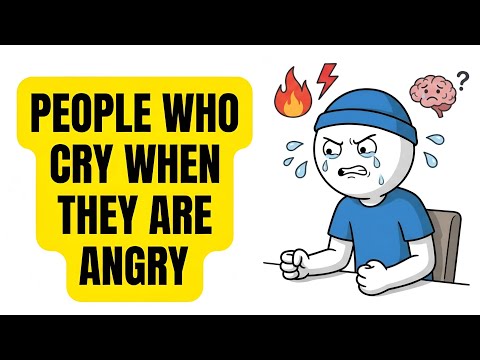
So, let’s talk about anger. You know how it just sneaks up on you sometimes? You’re going about your day, and then bam! Something ticks you off, and suddenly you’re seeing red.
Anger’s that raw emotion we all experience. It can feel super intense, like a rollercoaster ride gone off the rails. But honestly, what’s really going on behind the scenes when we get angry?
It turns out there’s more to it than just losing your cool. Understanding anger can help you handle those moments better and maybe even prevent some explosive situations.
So, grab a cup of coffee or whatever you like to sip on while we dig into the emotional rhythm of anger together. Trust me, it’s gonna be worth it!
Understanding Anger: The Emotional Rhythm in Psychology – Downloadable PDF Guide
Anger is one of those emotions that can really throw you for a loop, right? It’s visceral, powerful, and often seems to come out of nowhere. Understanding anger involves peeling back the layers of why it happens and what you can do about it.
What is Anger?
At its core, anger is a natural response to perceived threats or injustices. Think about the last time someone cut you off in traffic. That spike in irritation? That’s your body gearing up for action — your heart races, and adrenaline starts pumping. It’s like an emotional alarm system kicking in.
Why Do We Get Angry?
Anger can stem from a bunch of different triggers, including:
- Frustration: When things don’t go as planned.
- Inequity: Feeling treated unfairly.
- Pain: Emotional or physical hurt can lead to anger.
Consider this: if a friend cancels plans last minute repeatedly, it might provoke feelings of frustration and betrayal. You feel angry because you’re expecting more respect from them.
The Difference Between Anger and Rage
Anger is more like a spark; it can be managed with some deep breaths or a quick walk around the block. But rage? That’s like an out-of-control fire. It tends to escalate quickly and can lead to reckless behavior or harm to others — not cool at all.
Coping with Anger
So how do we deal with this intense emotion? Well, here are some strategies that help:
- Pause: Take a moment before reacting. Count to ten; it works wonders.
- Talk it out: Expressing your feelings can defuse anger.
- Physical activity: Exercise helps release pent-up energy and calm you down.
Imagine after a long day at work where everything feels overwhelming—a quick jog might lift that heavy weight off your shoulders!
Anger Management Techniques
There are also long-term techniques to tame that temper:
- Meditation: Mindfulness helps reset your emotional state.
- Cognitive restructuring: Changing negative thought patterns eases frustration.
If you’ve ever tried meditating after a stressful day, you know how grounding it can be—it shifts your mindset from chaos to calm.
The Importance of Communication
An often overlooked aspect of understanding anger is communication. Sharing what bothers you without blaming others leads to healthier relationships. If your partner leaves dirty dishes in the sink again, instead of blowing up, try calmly stating how it affects you. Less “you never” and more “I feel…”
In summary, understanding anger means recognizing it as part of being human but finding ways to handle it better—without letting it control us. Learning these emotional rhythms enriches our lives and relationships while keeping us grounded during those inevitable moments when life challenges our patience!
Understanding the 7 Stages of Anger: A Comprehensive Guide
Anger is one of those emotions we all experience, right? But what if I told you there’s a bit more to it than just feeling ticked off? Anger typically unfolds through stages. Let’s break down the **seven stages of anger**. You’ll see how they connect and impact our emotional rhythm.
1. Triggering Event
This is where it all starts. It could be anything—a rude comment, someone cutting you off in traffic, or an unfair situation at work. The thing is, these moments can spark anger almost instantly. You feel that tightness in your chest or a rush of heat. It’s like your mind says, “Hey! Pay attention!”
2. Emotional Response
Once you’ve noticed what triggered you, your emotions kick in. Some people might feel anxious, while others go straight to frustration or irritability. Your brain starts processing everything that’s happened—like a computer trying to sort files and figure out where to place them.
3. Rationalization
At this point, your mind begins to justify why you’re feeling angry. You think about the situation and start making sense of it: “That person was totally out of line!” This is where thoughts swirl around, and you may even replay the event over and over like a favorite song stuck in your head.
4. Escalation
This stage can get intense! If you don’t deal with that anger constructively, it can grow bigger and bigger—like a balloon being blown up too much. You might find yourself yelling at someone or perhaps just feeling overwhelmed inside. Emotionally speaking, it’s like being on a roller coaster that keeps climbing higher!
5. Expression
Here comes the big moment: expressing your anger! This could be constructive (like having an honest conversation) or destructive (maybe throwing things or shouting). Each way has different outcomes; it can lead to resolution or unresolved feelings lingering for longer.
6. Regret
After letting those feelings out, many people experience regret as they reflect on their actions during that escalated moment. “Did I really need to yell?” They might find themselves replaying their words or actions in their mind thinking about how they could’ve handled things differently.
7. Resolution
Finally, we reach resolution! You either make amends with whoever you felt angry towards or come to terms with how you feel about the situation inside yourself. It might take time—you know, healing isn’t always immediate—but eventually reaching this phase is essential for emotional well-being.
Anger isn’t just random—it flows through these stages naturally like waves crashing along the shore! Understanding this process helps us navigate our feelings better and lets us respond rather than react impulsively.
So, next time you’re feeling those familiar pangs of anger bubbling under the surface—remember these stages and give yourself space to breathe! Emotions are tricky little beasts sometimes but knowing what’s happening can make handling them way easier.
Understanding the Stages of Anger: A Psychological Perspective
Anger is a pretty complex emotion. It’s not just about flipping your lid when someone cuts you off in traffic. There’s more to it, like the stages we go through when we’re feeling angry. Understanding these stages can really help you recognize your feelings and kind of manage them better.
1. Triggering Event: First off, there’s usually some event that gets the ball rolling. It could be something small or a major situation. Let’s say you’re excited for a night out with friends, but your plans get canceled last minute. That can definitely make you feel frustrated or even angry.
2. Experience of Anger: Next comes the actual experience of anger itself. This is when you start to feel that fire inside you, maybe your heart races and your palms get sweaty. You might yell or have thoughts racing through your head like “This isn’t fair!” This stage is important because it’s when you’re figuring out how intense your anger is.
3. Physical Response: As anger builds, there’s a physical reaction too. Your body might release adrenaline—making you feel amped up and ready to react in some way, whether that’s fighting back or running away from the situation entirely. Think about it like this: ever felt so angry that it gave you energy? That’s what I mean!
4. Reflection: After that initial wave of anger passes, you’ll often enter a reflective stage where you think about what just happened and why you felt that way in the first place. Maybe you’re able to see things from another perspective or realize the situation wasn’t as bad as it seemed at first.
5. Resolution: Finally comes resolution; this can happen in different ways depending on how you handle your feelings afterward—like talking things out with someone, journaling about it, or simply letting it go over time. If you’re able to talk with a friend who understands how you’re feeling at this point, it can help cool down those fiery emotions.
But hey, not everyone goes through these stages in the same way or even in order! Sometimes people might skip straight from emotional response back to reflection without going through all those physical signs.We’re all wired differently which makes our emotional patterns unique.
Understanding these stages gives us a frame of reference for observing our own reactions and helps in managing those overwhelming moments when anger hits hard. So next time life throws something frustrating at you, remember those stages! They’re like little signposts guiding you through what could feel like chaotic waters.
Anger. It’s one of those emotions that can hit you like a freight train, right? You’re just going about your day when suddenly, bam! Something annoys you, and before you know it, you’re seeing red. I mean, we all have those moments where our patience runs thin. Maybe someone cuts you off in traffic or doesn’t respect your space in a crowded room. You can feel your heart racing and your fists clenching.
So what even is anger? Well, at its core, it’s a natural response to feeling threatened or disrespected. Think of it as your body’s way of saying, “Hey! This isn’t cool!” It’s meant to protect you from harm and spur you into action—like if someone was teasing your friend; you’d probably feel mad and want to step in. Angry feelings can drive change or signal that something needs fixing.
But here’s the kicker: how we handle anger can really shape our lives. Ever been in a situation where someone blew up over a small issue? It leaves everyone feeling uneasy, right? Anger has this sneaky way of festering if not expressed properly. I remember a time when I had this intense argument with a friend over something so trivial—like who forgot to bring dessert to dinner. We both turned red, letting our frustrations spill out like soda from an shaken-up bottle! But afterward, it felt like a weight lifted once we talked it through. So wild how talking things out could change the whole mood!
It’s important to recognize that anger isn’t inherently bad; it’s how we express it that matters most. Some people shout or throw things (not the best choice), while others might just bury their feelings until they explode later on (definitely not healthy). This emotional rhythm is all about finding balance—knowing when to let it out without causing chaos.
And here’s where psychology steps in: researchers and therapists often help people learn healthier ways to deal with anger. They might suggest techniques like deep breathing or channeling that energy into exercise instead of lashing out at others—which could make all the difference in how relationships unfold.
So next time you’re feeling angry, take a moment! Check what’s going on inside you and see if there are healthier outlets for those feelings—because managing this emotion doesn’t just help you; it changes how others see and react to you too!