Alright, let’s chat about something kinda intense. You heard of the Dark Triad? Sounds a bit ominous, huh?
It’s all about three personality traits that can be pretty, well, manipulative. We’re talking narcissism, Machiavellianism, and psychopathy. Yeah, I know it sounds scary!
But here’s the thing: these traits exist in all of us to some degree. Maybe you’ve spotted them in others or even felt a pinch yourself.
Imagine being at a party and realizing someone’s playing mind games with everyone around. It can be wild! Understanding these traits might just help you navigate those tricky dynamics in life.
So, let’s dive into this together and peel back the layers on what makes these dark characteristics tick! Ready?
Understanding Machiavellianism: Implications for Law and Ethics in Modern Society
Machiavellianism is one of those terms that kind of makes you raise an eyebrow, doesn’t it? It’s part of what psychologists call the Dark Triad, which also includes narcissism and psychopathy. Basically, Machiavellianism revolves around manipulation, deceit, and a lack of morality in achieving personal goals. You might think of it as a strategy where the end justifies the means.
People with high Machiavellian traits are skilled players in social situations. They’re often charming but can be manipulative and exploitative too. Think about someone you know who always seems to charm their way out of trouble or manages to get what they want, no matter the cost to others. Yep, that’s a bit on the Machiavellian side.
Now, let’s talk implications for law and ethics in modern society. Here’s the thing: Machiavellianism can lead to some serious issues when it comes to how laws are interpreted and enforced.
- Manipulation of Legal Systems: Individuals with these traits may manipulate legal loopholes or exploit weaknesses in laws to their advantage. This can undermine justice and fairness.
- Corporate Ethics: In business settings, Machiavellians might engage in unethical practices like lying or cheating to outdo competitors. This can create toxic work environments where trust is hard to find.
- Political Maneuvering: Politicians often display Machiavellian characteristics when they spin facts or manipulate public opinion to gain power.
You see this play out sometimes in politics where certain leaders might use fear tactics or misleading information just to keep their grip on power. It’s like watching a game where only a few players really know all the rules—and they’re bending them left and right.
Moreover, this tendency doesn’t just affect individuals; it has broader implications for how systems operate as well.
Think about elections. If candidates believe that winning at any cost is acceptable, you end up with campaigns filled with lies and half-truths. Voter trust erodes over time because people start feeling like everyone’s playing dirty—but who wants to be involved in that mess?
If we dig deeper into ethics, things get even murkier. Many people believe fresh ideas about fairness hinge on cooperation and trust among peers. But if everyone starts acting like a lone wolf trying to game the system—well, that’s not a good look for society as a whole.
In essence, understanding Machiavellianism helps us see why certain behaviors can become normalized within groups or societies. If you’ve got enough folks playing these games without care for others’ feelings or rights, it creates an unhealthy culture.
To wrap things up (not too neatly though!), tackling this issue means recognizing these traits exist within us all but confronting them when necessary plays a crucial role in fostering ethical behavior both personally and across communities. Because at the end of the day—nobody wants to live under those constant mind games!
Exploring Dark Triad Traits: Manipulation and Power Dynamics in Online Interactions
The Dark Triad is like this cocktail of three personality traits that aren’t exactly the warmest. We’re talking about narcissism, Machiavellianism, and psychopathy. Together, they paint a picture of someone who’s manipulative and cunning. When you throw these traits into the online world, it gets even more interesting.
Narcissism is all about that inflated sense of self-importance. Think about someone who always needs to be the center of attention. Online, this could show up as excessive self-promotion or a constant need for validation through likes and comments. You may have seen someone post selfies or brag about their achievements repeatedly, ignoring others’ feelings in the process.
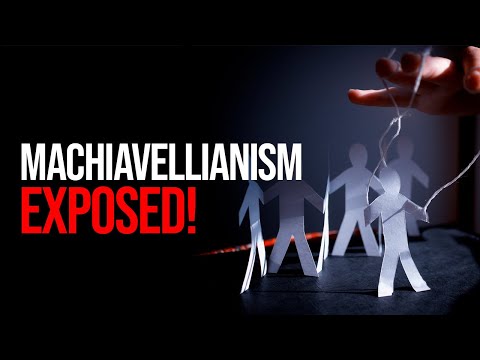
Machiavellianism, on the other hand, is like the puppet master of social interactions. It’s all about manipulation and deceit for personal gain. In online spaces, this can manifest as trolling or cyberbullying—individuals who use their words not to uplift but to tear others down while feeding off the chaos they create. Think about forums where people stir arguments just to get a rise out of others; that’s Machiavellian behavior right there!
Then we have psychopathy, which takes things up a notch with a lack of empathy and remorse. Online, this could mean someone who exploits others without feeling guilty at all. For example, consider those scammers who craft elaborate stories just to prey on vulnerable individuals—completely cold-hearted in their quest for gain.
When these traits mix in online environments, it creates some twisted power dynamics. People might feel emboldened behind screens since there’s less accountability than in face-to-face interactions. So you often end up with situations where manipulative behaviors thrive.
- Cyberbullying: Perpetuated by those high in Dark Triad traits who feel powerful intimidating others from a distance.
- Gaslighting: A classic manipulation tactic that can easily occur through text-based communication.
- Deceptive practices: Like catfishing or scamming—where one individual pretends to be something they’re not.
Anecdotally speaking, I once saw a friend get tangled up in an online group where one person constantly manipulated conversations to make themselves look better while belittling everyone else’s ideas—it was exhausting! This kind of dynamic can really chip away at someone’s confidence over time.
The thing is, understanding these traits can help us navigate our interactions better—both online and offline. Recognizing when someone might be using manipulative tactics gives you an edge to protect yourself and maybe even call them out when necessary! And ultimately, having awareness keeps you from falling into their traps.
This whole idea of power dynamics rooted in dark traits is super relevant today as social media continues shaping how we connect with one another—or sometimes disconnect entirely!
Exploring the Dark Triad: Unraveling Traits of Manipulation and Power Dynamics
The Dark Triad is one of those unsettling concepts in psychology that gets you thinking about human behavior. It’s all about three personality traits: **narcissism**, **Machiavellianism**, and **psychopathy**. Each of these traits reveals something about how people can manipulate and control others. Let’s break it down a bit.
Narcissism is often the most recognized trait. People with high levels of narcissism tend to have an inflated sense of self-importance and a constant need for admiration. They’re charming at first but can become quite selfish when their needs aren’t met. You know someone who talks a whole lot about their achievements but never asks about yours? Yeah, that can be classic narcissistic behavior.
Then there’s Machiavellianism. This trait is all about manipulation and deceit. A person high in Machiavellian traits will do whatever it takes to get what they want, even if that means being dishonest or underhanded. Picture that coworker who always seems to have an angle or a scheme up their sleeve—using others as pawns in their game for power.
Now, we can’t forget psychopathy. This one’s a bit scarier because it involves a lack of empathy and remorse. Psychopaths are typically very charming and can blend into society, but they might engage in harmful behaviors without feeling guilty at all. Think of the cold, calculating character in movies who pulls off elaborate schemes without batting an eye—it’s extreme but paints a clear picture.
When you pull these three traits together, you get a pretty solid framework for understanding some really tricky personalities out there. Here are some key points worth noting:
- Manipulation: Individuals with Dark Triad traits often use deceit to control others.
- Power Dynamics: These personality types thrive on power struggles, often seeking to dominate social situations.
- Lack of Empathy: Particularly with psychopathy, there’s little regard for the feelings or well-being of others.
- Risky Behavior: People high in these traits often take more risks because they may feel invincible or above the rules.
It’s wild how these traits can show up in everyday interactions, isn’t it? For instance, imagine getting pulled into a friend’s drama because they constantly play the victim while manipulating your emotions—classic narcissistic tactics mixed with Machiavellian strategies.
Understanding the Dark Triad helps us navigate relationships better. Knowledge is power here; if you know what to look for, it makes you less likely to fall into manipulation traps. Plus, spotting these behaviors can help you protect yourself from toxic dynamics in friendships or workplaces.
To sum up, the Dark Triad lays bare some pretty unsettling aspects of human nature regarding manipulation and power dynamics. Recognizing these traits can empower you to make better choices when dealing with tricky individuals—because let’s be honest; life’s too short for unnecessary drama!
So, let’s chat about the Dark Triad. It’s one of those terms that sounds all dramatic and mysterious, right? But it’s actually about three traits: narcissism, Machiavellianism, and psychopathy. These traits can really mess with relationships and how people interact in the world.
Imagine you have a friend who’s super charming but seems to constantly seek attention. That’s your classic narcissist. They love being the center of attention and often lack empathy for others. It’s frustrating, isn’t it? You know they care more about their image than your feelings.
Then there are Machiavellians. They’re like the chess players of human behavior, always plotting a way to get what they want. Not too long ago, I saw a coworker use manipulation to get ahead on a project. Instead of collaboration, they threw blame around like confetti when things went wrong. It felt so deceitful!
And let’s not forget psychopathy—this one can be real scary. People with these traits can be charming too but lack remorse or guilt for their actions. It reminds me of a character in a book I read who seemed perfectly friendly until you realized they had no qualms about hurting others for personal gain.
All three traits play into the idea of power over people rather than with them. But why do some people develop these traits? Well, sometimes it’s rooted in early experiences or environments that reward manipulative behavior instead of sincere connections.
Understanding these traits doesn’t mean we should avoid people entirely; that would be tough! Instead, it helps us recognize patterns and protect ourselves better from potential harm or mental games.
Honestly, while some folks might show one or two Dark Triad traits occasionally—that little edge we all have now and then—it becomes more problematic when it defines someone’s entire personality. So yeah, knowing about them helps us navigate our relationships with a bit more awareness and maybe even compassion for what makes people tick in darker ways!