You know how sometimes you just don’t click with someone, and you’re left wondering what went wrong? Well, a lot of it boils down to how we show and receive love. It’s like this whole hidden language that not everyone speaks the same way.
Enter the Five Love Languages. Seriously, it’s a game changer! You’ve probably heard of them—words of affirmation, acts of service, receiving gifts, quality time, and physical touch. Sounds simple enough, right? But here’s the kicker: we all have our favorites.
Imagine trying to express love in a way that doesn’t resonate with the other person. It’s frustrating! I once knew a couple where one was big on words while the other felt loved through actions. Talk about communication breakdown!
So let’s unpack these love languages together. Trust me; it’ll help you connect better with those important people in your life. Are you ready to dive in?
Understanding the Five Love Languages: A Psychological Perspective on Relationship Insights
Understanding the Five Love Languages is like opening a toolbox for your relationships. Each language represents a different way people express and receive love, which can totally change how we connect with one another. So, let’s break it down.
1. Words of Affirmation
This love language is all about verbal compliments and words of encouragement. If this is your primary love language, you probably feel most loved when your partner tells you how much they appreciate you. Imagine receiving a heartfelt note or hearing “I’m proud of you.” It really hits home, right?
2. Acts of Service
For some, actions speak louder than words. This means showing love through helpful deeds—like making dinner or doing chores without being asked. When someone in a relationship feels loved this way, those little acts signal deep affection. You might be surprised how much gratitude comes from simply taking out the trash or running an errand.
3. Receiving Gifts
Now, don’t roll your eyes! This isn’t just about materialism; it’s more about thoughtfulness. A gift—big or small—can showcase your love and acknowledgment of the other person’s worth. It could be something as simple as bringing home their favorite snack after a long day. It’s not about the price tag; it’s the thought behind that gift that counts.
4. Quality Time
If this is your thing, nothing says love like focused attention and shared experiences. Going for walks together or having deep conversations can make all the difference here! Think about what it feels like to have someone put their phone down just to listen to you—that connection can create magic in your relationship.
5. Physical Touch
This one’s pretty straightforward but so essential! Physical affection—like hugs, kisses, or simply holding hands—can strengthen bonds between partners who value this language the most. It’s like saying «I’m here» without any words at all.
But here’s where it gets interesting: understanding these languages isn’t just for romantic partnerships! Friendships and family dynamics can benefit too! When you know someone’s preferred love language, you can better meet their emotional needs.
So basically, if you’re speaking different love languages with someone close to you? That could lead to misunderstandings and frustrations—like trying to order coffee in Spanish when they only speak French! Recognizing these differences allows for more meaningful communication.
To wrap it up, figuring out your own love language—and those of people around you—can seriously enhance relationships of all kinds by creating better connections and reducing conflicts over miscommunication . You might find that understanding these concepts brings not only clarity but also warmth to your connections with others!
Understanding Your Love Language: Insights from Childhood Influences
Understanding your love language can feel like unlocking a secret code to healthier relationships. But here’s the kicker: what we often overlook is how our childhood experiences shape these love languages. So, let’s break it down.
The Five Love Languages are words of affirmation, acts of service, receiving gifts, quality time, and physical touch. You probably have a primary one that speaks to you the most. Here’s the thing, though: these preferences often trace back to how we were loved as kids.
Think about it for a second. If you grew up in a home where hugs were commonplace, chances are physical touch might be your jam now. On the flip side, if your parents showed love through compliments or encouragement, you’re likely leaning towards words of affirmation. It’s like every hug and compliment laid down some bricks for your emotional foundation.
- Words of Affirmation: If your caregivers praised you often, you’ll probably find heartfelt words enticing today. It might feel like an echo from the past—like when someone tells you they believe in you.
- Acts of Service: For some people, love was shown through helping hands at home—cleaning rooms or cooking meals. Now as adults, those gestures can mean everything; they represent care and support.
- Receiving Gifts: Some folks got showered with gifts during celebrations or just because! These acts can create a lasting bond between affection and tangible tokens.
- Quality Time: Maybe dinner time was family time, where conversation flowed freely. As adults, this might lead us to seek out deep connections and shared moments with loved ones.
- Physical Touch: A nurturing touch from caregivers—like holding hands or snuggles—can make us crave that closeness in adult relationships too.
So why does this all matter? Well, knowing your love language helps in expressing needs better and understanding those around you more clearly. It’s kinda like having a decoder ring for emotions—you can connect more deeply when you know how each person likes to receive love.
And let’s not forget about mismatched languages! You might find yourself frustrated if your partner shows love differently than you do. Like when someone cleans up but misses the mark on saying “I appreciate you.” It’s crucial to communicate these differences openly.
Sometimes our upbringing can create blind spots too. For instance, if physical affection wasn’t part of your childhood, it may feel awkward or uncomfortable now as an adult—even if that might be a partner’s primary language!
Remember that exploring your love language is not about blaming anyone; it’s more about learning who you are today because of where you came from. And through that process—oh man—it opens doors for compassion toward yourself and others too!
So let’s take this information as something solid but also fluid—you can grow beyond childhood influences! Embracing change allows room for new experiences and connections that might surprise even yourself.
You see? Understanding your love language isn’t just about better relationships; it’s also about understanding yourself on a deeper level!
Understanding Love Languages: Take the Ultimate Love Language Test to Enhance Your Relationships
Understanding love languages is like unlocking a secret code to better relationships. Picture this: you’re trying to express your feelings, but your partner just doesn’t seem to get it. Frustrating, right? That’s where love languages come in. This concept suggests that people show and receive love in different ways, and knowing yours can seriously enhance your connections.
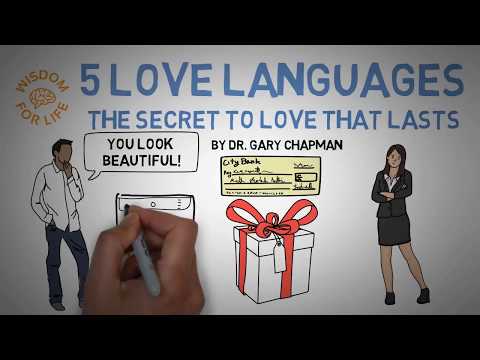
So, what are the five love languages? They were introduced by Gary Chapman, and here’s the breakdown:
- Words of Affirmation: This language is all about verbal expressions of love. Compliments or encouraging words mean everything to someone who thrives on this. Imagine telling your partner, “You did an amazing job!”
- Acts of Service: For some people, actions speak louder than words. Cooking a favorite meal or running errands without being asked goes a long way for those with this love language.
- Receiving Gifts: It’s not about materialism; it’s the thought that counts! A small surprise or a heartfelt gift can make someone feel cherished.
- Quality Time: This one centers around undivided attention. It means putting away distractions and focusing on each other fully—like having a deep conversation over dinner.
- Physical Touch: Hugs, kisses, holding hands—these gestures convey warmth and connection for those who prioritize this language.
Now let’s say you’re dating someone who primarily speaks «Words of Affirmation,» but you’re more about «Acts of Service.» You might cook dinner for them thinking it shows you care. But they’re sitting there wishing you’d just compliment their hairstyle! You see the potential miscommunication here?
Taking a love languages test can help clarify how you and your partner express affection. It’s a simple questionnaire that reveals what makes each of you tick emotionally. Sharing these insights fosters appreciation and helps avoid misunderstandings.
But remember: it isn’t all about figuring out your partner’s language; it also involves speaking theirs! Just because you feel loved through acts like cooking doesn’t mean they will automatically feel loved in return unless they receive those sweet words or hugs.
Think about a time when you felt particularly close to someone—maybe after an evening spent talking deeply or receiving an unexpected compliment. These moments typically resonate with our love language preferences.
Ultimately, understanding love languages isn’t just helpful; it’s essential for nurturing healthy relationships. It encourages patience and understanding—a reminder that we all have different needs when it comes to feeling loved.
So taking that ultimate love language test might just bring you closer together than ever!
You know how sometimes you and your partner just seem to be on totally different wavelengths? Like, you’re trying hard to show you care, but things just don’t click? Well, that’s where the concept of love languages comes in. It’s not just some fluffy idea; it actually digs into how we each express and receive love.
The five love languages, introduced by Gary Chapman, are words of affirmation, acts of service, receiving gifts, quality time, and physical touch. Each one represents a different way people communicate affection. So really understanding these can make a huge difference in how you connect with someone.
Let me share this quick story. A friend of mine was always showering his girlfriend with gifts—like fancy dinners and surprise trips. But she never seemed thrilled. One day, she admitted that what she really craved was just spending more time together without distractions—like cozy movie nights at home or long walks in the park. He felt kinda bummed because he thought he was doing everything right! But once they figured this out—wow—it totally transformed their relationship.
So here’s the scoop: if your love language is words of affirmation, telling someone “Hey, I appreciate you!” feels good and is probably what lifts their spirits too. If it’s acts of service? Doing chores or helping out means everything. And if you’re more into physical touch? Well, a simple hug can say more than a thousand words.
But here’s the kicker: most people have a primary love language but often speak others too—even if it’s not their first! That means sometimes you might try using someone else’s language to show love but end up missing the mark completely.
It’s like trying to charge your phone with a charger from an old flip phone—not gonna work! So really taking the time to learn your partner’s main love language can pave the way for deeper connections.
This whole idea isn’t some quick fix; it takes effort and patience but man, when both partners start embracing each other’s styles? It opens up a whole new level of understanding and affection. Relationships don’t have to feel like guesswork—you can actually learn how to make each other feel loved in ways that count!