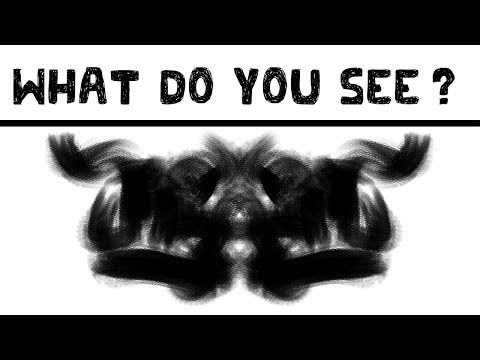
Hey! So, let’s talk about something super interesting: the Thematic Apperception Test, or TAT for short. It sounds all fancy, but it’s really about what’s going on in our heads and hearts.
Picture this: you’re shown a bunch of pictures and asked to tell a story about what you see. Sounds simple, right? But hold on—what you come up with says a ton about your inner world.
It’s like peeking into someone’s mind without them even realizing it. You know how sometimes you feel stuff but can’t quite put it into words? The TAT helps with that—it’s all about those hidden emotions and thoughts.
Trust me, it’s way cooler than it sounds. Let’s jump in and check out what this test reveals about us!
Exploring the Benefits of the Thematic Apperception Test: Insights and Applications
The Thematic Apperception Test, or TAT for short, is pretty interesting, to say the least. It’s a projective psychological test that involves looking at pictures and telling stories about them. Sounds simple, right? But there’s a lot more going on under the surface.
What makes the TAT unique? It gives insight into how individuals perceive their world. You see, when you look at an ambiguous image and start weaving a story around it, you’re basically revealing your inner thoughts, feelings, and motives. It’s like peeling back layers of an onion to get to the core of someone’s psyche.
Benefits of using the TAT:
- Understanding personality: By analyzing the stories people create, psychologists can glean insights about their personality traits. For instance, if someone frequently tells stories with themes of conflict or struggle, it might indicate they’re dealing with inner turmoil.
- Identifying emotional states: The stories can also highlight current emotional states and unresolved conflicts. If someone constantly relates their narrative to themes of loss or loneliness, it might point toward deeper issues they need to address.
- Cultural insights: Because it’s based on storytelling rather than direct questions, the TAT can reveal cultural influences in a person’s thought processes. A person from one culture might emphasize community in their stories while another may focus on individual achievement.
- Therapeutic tool: In therapy settings, discussing TAT responses can open up pathways for conversation. Imagine talking about a character’s struggle; suddenly you’re able to reflect on personal experiences that resonate with those themes.
Let’s talk about applications for a sec. The TAT isn’t just useful for individual therapy; it’s applied in different areas too! For example:
– **In education**, teachers might use it to understand their students better. If a student draws connections between resilience and adversity in their stories, educators could encourage them through supportive frameworks.
– **In organizational settings**, companies can use insights from the TAT during hiring processes—or team-building exercises—to see how potential employees might fit into their company culture.
I remember reading about someone who took the test and shared a story involving characters overcoming obstacles together. As they spoke about these fictional struggles they linked back to personal experiences—real moments where they’d had to push through tough times themselves. It was like they were connecting those dots without even realizing it!
So there you go; the Thematic Apperception Test offers ways to explore someone’s psyche through storytelling while also providing valuable insights into their personality and emotional state. It’s not just inkblots or straightforward questions—it’s an artistic window into one’s mind!
Understanding Projective Personality Assessments: Key Examples and Insights
Projective personality assessments are like a peek into someone’s inner world. Imagine you’re sitting down with a friend who starts sharing their dreams or fears; that’s the vibe here! These tests are based on the idea that when people are presented with ambiguous stimuli, they’ll “project” their own thoughts, feelings, and conflicts onto it. This can reveal hidden aspects of their personalities.
One of the best-known projective tests is the **Thematic Apperception Test (TAT)**. In this test, individuals are shown a series of pictures depicting various scenes and asked to make up stories about them. The stories reflect their desires, motivations, and emotions. Sounds simple, right? But what you get back can be pretty enlightening.
So what exactly happens during the TAT? Let’s break it down:
- Ambiguity is Key: The images used in the TAT are often open-ended. This forces you to fill in the blanks based on your thoughts and experiences.
- Your Story Matters: The way you interpret a scene shows your perspective. If someone tells a story about conflict or resolution can really highlight how they deal with stress.
- Personality Insights: Analysts look for themes in your responses—like whether you focus more on relationships or personal struggles.
Imagine a person looking at an image of two people arguing in a park. If they tell a story about anger and revenge, it might indicate underlying frustrations or unresolved conflicts in their life. On the flip side, if they spin a tale of communication and resolution, this could point to their optimistic approach to problems.
Another popular projective test is the **Rorschach inkblot test**. This one’s all about interpreting inkblots—yes, those splotchy shapes! People see different things depending on their psychological state.
Here’s how it works:
- First Impressions: Your immediate reaction to these inkblots reveals something about your personality.
- Detail Orientation: Some might focus on odd shapes while others may see more abstract forms—indicating varying levels of anxiety or creativity.
For instance, if someone sees a bat in an inkblot while another sees butterflies, those interpretations hint at contrasting worldviews—maybe one person feels threatened while another feels free.
The idea behind all this is that **projective tests help unlock deeper insights** into our psyche that we might not be consciously aware of. They dive beneath surface level answers and get into the nitty-gritty stuff we usually keep tucked away.
However, using projective assessments isn’t without its critics. Some argue they lack scientific rigor compared to other measures like questionnaires or structured interviews.
At the end of day though, projective tests remind us that understanding human behavior isn’t always black-and-white; it’s nuanced and often messy—just like life itself! They serve as tools for exploration rather than definitive answers about who we are as people.
So there you go—a peek into how we can use images and ambiguity to reflect our inner worlds through various lenses!
Exploring the Criticisms of the TAT: Key Concerns and Perspectives
The Thematic Apperception Test (TAT) has been around for a while, designed to tap into the fascinating world of our inner thoughts and feelings. It uses images of ambiguous scenes, prompting you to create stories about what might be happening in them. Sounds cool, right? Well, it’s not without its share of criticisms. Let’s dig into some of the key concerns and perspectives surrounding this psychological tool.
Subjectivity in Interpretation
One big issue with the TAT is the subjectivity involved in interpreting the stories people create. Since different psychologists might read the same story in completely different ways, it raises questions about consistency. For instance, one therapist may see a character’s actions as aggressive while another sees them as defensive. This inconsistency can muddy the waters regarding what insights are actually reliable.
Cultural Bias
Another major concern is cultural bias. The images used in the TAT might not resonate equally across different cultures. Imagine showing a picture of a family gathering to someone from a collectivist culture versus an individualistic one; their interpretations could differ significantly based on their backgrounds and experiences. If you’re trying to get at someone’s inner world but missing these cultural nuances, you’re bound to get skewed results.
Limited Empirical Support
Some critics argue that there’s not enough solid empirical backing for the TAT’s effectiveness compared to more modern psychological assessments. While there are studies supporting it, many researchers point out that they often lack rigor or have small sample sizes. Basically, they’re calling for more robust data before we fully embrace this test as a valid measure of personality or emotional state.
Reliability Issues
Let’s talk reliability here—how consistent are results over time? There’s some debate about whether people would tell similar stories if they took the TAT again later on. If you’re measuring something like personality traits or emotional states that are thought to be relatively stable, you’d want those results to remain consistent. But if what you get can change quite a bit just because it was a different day—well, that doesn’t inspire confidence.
Overgeneralization
Some folks also worry about overgeneralization when using TAT results in therapy or research settings. Just because someone tells an emotionally charged story doesn’t mean that every aspect reflects their real-life feelings or issues directly. You could easily misinterpret narratives as signifying deep-seated problems when they might just be creative storytelling—or even purely hypothetical situations!
Ethical Considerations
Lastly, there are ethical considerations around consent and interpretation too! When clients take tests like this without full understanding of how their responses will be analyzed or used, it can feel exploitative for some people. That makes you wonder: Are we respecting individuals’ agency in these cases?
So yeah, while the TAT sheds light on potential inner worlds through creative narratives—it’s important to acknowledge its limitations and flaws too. When therapists use tools like this with an awareness of their shortcomings and context-specific adjustments in mind? They can still gain interesting insights without taking everything at face value!
Alright, so let’s chat about this cool psychological tool called the Thematic Apperception Test (TAT). You know, it’s one of those projects used to peek into someone’s inner world. The idea is pretty simple: people look at a bunch of ambiguous pictures and then tell stories about what they see. Sounds fun, right? Well, the magic happens when you realize those tales are often reflections of their own feelings, desires, and conflicts.
Picture this: you’re sitting in a cozy room, maybe with some soft music playing in the background. An image pops up in front of you—let’s say it’s a lonely guy looking out at a stormy sea. Now, if I told you to make up a story about him, your story might reveal so much about how you’re feeling right now. You could relate to his loneliness or see it as an opportunity for adventure. It’s like holding up a mirror where your emotions can dance around and play.
When people take the TAT, they often project their internal struggles onto these characters. Maybe someone is dealing with anxiety about taking risks and suddenly their story turns into a suspenseful adventure full of tough choices! Or perhaps someone is struggling with relationships and their tale becomes all about conflict or resolution in love interests. It’s wild how creative our minds can be when faced with something vague!
I remember this one time when I was just chatting with a friend who had recently gone through a rough patch in her relationship. She told me that she felt like she was stuck on an island, surrounded by endless water but no way to reach out to anyone. It hit me hard because she wasn’t literally on an island; that was her inner world projecting itself into something powerful and visual.
The TAT taps into these kinds of insights perfectly! It helps psychologists understand not just what people think but what they deeply feel—those messy emotions that sometimes don’t even have words attached to them.
So yeah, while it might seem like a quirky game at first glance, the TAT really dives deep into those unspoken parts of our psyche that we often overlook or can’t pinpoint easily. It’s like exploring hidden treasure—sometimes you find gold; other times you stumble across stuff that just needs some time to be understood better.
In short, projecting our inner worlds through something like the Thematic Apperception Test opens doors to self-discovery that we didn’t even know existed! And honestly? That journey can be pretty fascinating—even if it does come wrapped in layers of complexity.