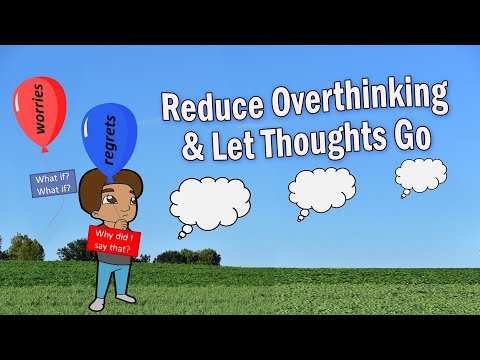
You ever had a thought just stick in your head? Like, one of those pesky ones that keeps popping up when you least want it to?
Yeah, we all have. It’s wild how our thoughts can shape what we do. Seriously, they can pull us in different directions without us even realizing it.
So, let’s chat about this thing called cognitive fusion. It’s the moment when your thoughts become so intertwined with your actions that they almost feel like they’re one and the same.
You know how sometimes a single worry or belief can totally change how you act? That’s the essence of cognitive fusion! It can be super tricky but also kinda fascinating. Let’s break it down a bit, shall we?
Understanding the Distinction: Cognitive Fusion vs. Thought-Action Fusion Explained
Understanding what goes on in your head can be tricky sometimes. There’s this thing called **cognitive fusion**, and it’s all about how your thoughts can take over your actions. Then, there’s **thought-action fusion**, which is a little different but still pretty interesting. Let’s break these down.
Cognitive Fusion happens when you become so entangled with your thoughts that they start to feel like reality. It’s like when you get really caught up in a story—everything feels super real, right? For example, if you think, “I’m not good enough,” that thought can totally dictate how you behave, leaving you feeling stuck or unmotivated. You may choose not to apply for that job because of those nagging thoughts. It’s as if your mind has hijacked your ability to act freely.
On the flip side, we have Thought-Action Fusion. This one deals with the belief that simply thinking about something might lead to doing it or cause something bad to happen. Picture this: You worry about someone getting hurt if you don’t check in on them constantly. Your mind twists it up so much that just having the thought feels dangerous or wrong. You may find yourself compulsively calling them every few minutes, believing that without those calls, something awful could happen.
Let’s get into some key points:
- Cognitive Fusion makes you feel like your thoughts are facts.
- Thought-Action Fusion connects thoughts directly to actions as if always linked.
- Both can lead to anxiety—you might feel overwhelmed by either.
- The first type often keeps you from acting; the second pushes you into constant action.
So why does this matter? Well, understanding these concepts is crucial for managing our mental health. You might notice yourself getting caught up in negative self-talk (fused), or maybe you’re feeling the need to act on every anxious thought (action fused). Realizing what’s happening can help you step back and regain control.
It’s kinda like being in a movie where you’re both the actor and the audience—you want to enjoy the show without getting lost in it completely! And figuring out these distinctions offers a way for you to find some breathing room between what you’re thinking and how you’re acting. Not easy work, but worth it if it means living more freely!
Understanding Thought-Action Fusion Theory: Implications and Insights for Mental Health
Sure! Let’s break down the idea of **thought-action fusion theory** and its connection to mental health in a way that feels everyday and relatable.
Thought-action fusion (TAF) is basically the idea that, for some people, just thinking about something bad can feel like they’ve actually done it. It’s like a weird mental shortcut where thoughts and actions get all tangled up. Imagine you’re worried about hurting someone by accident; just having that thought can create huge anxiety as if you’re responsible for it.
This is where cognitive fusion comes into play. It refers to how we get stuck on our thoughts and let them dictate our actions or emotions. For those who experience TAF, their thoughts can feel heavier and more real. It’s not just a passing worry; it becomes something they carry around with them.
To clarify, here are a few key points about this connection:
- Anxiety Amplification: When you think negatively, like “if I think about failing my exam, I will fail,” it intensifies your worries.
- Lack of Control: People might feel they have to avoid certain actions or situations because their thoughts make everything seem too risky.
- Hyper-responsibility: Those with TAF often feel overly responsible for outcomes based solely on their thoughts, leading to guilt or shame.
Consider a time when you stressed over what could happen if you didn’t call a friend back right away. You start imagining all sorts of disasters—what if they think you’re mad at them? Those spiraling thoughts can make you hesitant to reach out, simply because your mind has created an uncomfortable narrative.
This cognitive pattern isn’t just frustrating; it can affect mental health significantly. People may develop obsessive-compulsive disorder (OCD), as well as other anxiety disorders because they feel trapped in this cycle. The more they think about avoiding negative outcomes, the harder it becomes to act freely without that weight hanging over them.
Interestingly, research shows that understanding TAF might help in easing these burdens. By recognizing that thoughts don’t equal reality—like realizing feelings are temporary—you could start breaking down those walls. It’s not always easy, but awareness gives us room to breathe and maybe even challenge those intrusive ideas.
In summary, thought-action fusion blends worrying thoughts with personal responsibility in ways that can make anyone anxious or overwhelmed. But knowing this connection creates an opening for change—once you see the patterns at play, there’s potential for relief from their grip on your life. Who doesn’t want that?
Exploring the Link Between Thoughts and Actions: Legal Perspectives on Intent and Behavior
Exploring the connection between what we think and what we do can get pretty interesting, especially when you throw in some legal perspectives. So, let’s break it down.
First off, think about cognitive fusion. It’s this concept from psychology that describes how our thoughts can become so intertwined with our sense of self that we can’t see them as separate. You might feel like a loser if you think you failed at something, for instance. That thought smudges your identity because they blend together in your mind.
Now, when we talk about intent in a legal context, it often hinges on these thoughts and their impact on behavior. Like, did someone commit a crime because they chose to or because their thoughts led them there? This is where things get a bit murky.
In law, mens rea, which is Latin for «guilty mind,» plays a huge role. It refers to the mental state of the defendant at the time of an offense. For example:
So yeah, context matters! If someone’s thoughts are fused with their emotions—like feeling really angry—they might act impulsively and do something they normally wouldn’t.
Let’s say you’re driving and you get cut off by another driver. In that moment of frustration, your thoughts spiral into anger: “This person is such an idiot!” You might yell or even gesture rudely without really thinking about it too much (definitely not your best moment). Here’s the kicker: while your thoughts influenced that action pretty directly, if you had stepped back for a second and realized those feelings were just temporary and didn’t define who you are as a driver or a person? Maybe you’d just let it slide.
That brings us to the idea of thought flexibility. This concept encourages people to view their thoughts more as passing clouds instead of solid truths. If you could practice this kind of separation—between thought and feeling—you might find yourself making more intentional choices during heated moments or stressful situations.
In legal cases involving mental health issues or impulsive behaviors, courts often take this cognitive fusion into account. They look at whether the person’s ability to make rational decisions was impaired because they were really tangled up in negative thoughts.
For instance:
It gets complicated fast when you’re trying to untangle what people think versus what they do. Often judges and juries have to weigh these ideas carefully.
So really, the link between your **thoughts** and **actions** can shape everything from daily decisions to serious legal outcomes! Recognizing how these processes work can be empowering—not only for individuals but also within larger systems that assess behavior in society. Understanding this link gives us all tools for better interactions—both with ourselves and each other.
Cognitive fusion is one of those concepts that sounds super technical, but really, it’s something we all experience in our day-to-day lives. Imagine a moment when you’re feeling anxious about a big presentation. Your mind starts racing with thoughts like, “What if I mess up?” or “They’re going to think I’m an idiot.” In that moment, those thoughts stick to you like glue, don’t they? That’s cognitive fusion for you—your thoughts and feelings swirled together until they basically dictate your actions.
You know those situations where your brain feels like it’s in a tug-of-war? Like, part of you wants to approach that person at the party and say hi, but then there’s this other part of you saying, “What if they don’t want to talk to me?” What happens is that instead of just feeling curious or excited, the fear kicks in and suddenly you’re glued to the wall instead of mingling. It’s wild how our minds can lock us down like that!
I remember going hiking with a group a while back. The trail was tough, and halfway through, I started thinking things like, “I’m not fit enough for this” or “I’m holding everyone back.” Those thoughts were so vivid! They felt real, and before I knew it, they had me questioning whether I should even finish the hike. But then I realized: those were just thoughts. They didn’t have to define my actions. With a little nudge from my friends encouraging me to keep going, I found myself pushing through the mental fog.
The link between our thoughts and actions can be incredibly strong. Cognitive fusion ties us up in knots with our anxieties and insecurities like it’s some sort of mental ball-and-chain. But awareness is key here! Just because you think something doesn’t mean it’s true or needs your immediate attention. Recognizing when you’re fused—when your thoughts start to take control—is a huge step towards making choices that actually align with what you want rather than what you’re afraid of.
So next time you’re caught up in your head about something—be it work stress or social anxiety—just remember: it’s okay to take a step back. Realize those are just thoughts trying their best to steer the ship! You’ve got more power than they’d have you believe!