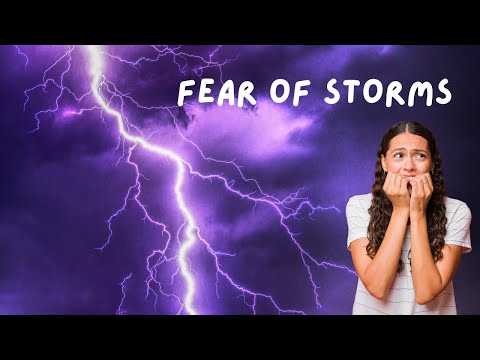
You know that feeling when a storm rolls in, and you can practically hear your heart thumping? Thunder can be super intense. It’s like nature’s way of saying, “Hey, pay attention!”
But for some folks, that rumbling sound isn’t just a little jolt of adrenaline. It’s something way scarier. We’re talking about thunder phobia—an overwhelming fear that can turn a cozy night into a nerve-wracking experience.
Ever been caught in a storm and felt that chill creep up your spine? Yeah, it’s not fun. So let’s dive into this whole thunder phobia thing together. We’ll explore what’s going on in your head and why those boom-booms might freak you out more than they should. Sound good?
Understanding Thunder Phobia: Examining the Trauma Response Connection
So, let’s talk about thunder phobia, or what some call astraphobia. It’s that intense fear you feel when a storm rolls in, and the sky lights up like a fireworks show. For some people, it can get really overwhelming. Why does this happen? Well, it often connects back to trauma responses.
Our brains are like supercomputers but with this old-school programming that sometimes goes haywire. When there’s a loud thunderclap, it can trigger a fight-or-flight response. This basically means your body thinks it’s in danger and either prepares to run or fight back. If you’ve had an unpleasant experience during a storm—like being stuck outside in one—you might be more prone to developing this fear.
The key factor here is trauma. If you experienced something traumatic during a storm in childhood or even as an adult, your brain remembers that stress response pretty vividly. Your nervous system becomes conditioned to associate thunder with danger, even when you’re safe at home.
- Classical Conditioning: This is where we learn through association. Think about how Pavlov made his dog salivate at the sound of a bell. If thunder followed something stressful for you—like an argument or a scary movie—your brain might link them together.
- Negative Reinforcement: If you panic and then hide under the blankets whenever there’s thunder, your body learns that this helps reduce anxiety, creating a cycle that reinforces the fear.
You know how when you hear thunder, your heart races? That’s because your brain is giving out those classic warning signals: increased heart rate, sweating—it’s your system gearing up for action! But if there’s no actual danger present and you keep feeling that way every time it thunders outside, it can become pretty draining.
Anecdote time! I once knew someone who had a crazy thunder phobia after their house got struck by lightning as a kid. Every time there was even the slightest rumble of thunder afterward, they’d go into full-on panic mode—heart pounding like a drum and hands shaking uncontrollably. It felt like they were right back in that moment of fear all over again!
You might wonder if there’s any way out of this loop? Understanding where these feelings come from is already half the battle! You can learn coping mechanisms to manage the anxiety connected to thunderstorms through various techniques like deep breathing or gradual exposure to storms (from safe spaces). Sometimes even just talking about these fears can help lessen their grip on us.
In short, understanding thunder phobia involves unpacking our trauma responses and recognizing how our bodies react to perceived threats. It might be tough dealing with the emotions tied up in those loud booms from above—but realizing they’re simply sounds can be quite liberating!
Overcoming Thunder Phobia: Effective Strategies and Insights
So, let’s chat about thunder phobia, or whatever you wanna call it—it’s basically that big, gnarly fear of thunder and lightning. If you’ve ever felt your heart race like it’s in a marathon when a storm rolls in, you’re not alone. A lot of folks deal with this kind of anxiety, and it can be a real drag. But good news! There are ways to tackle it.
The first thing to know is that understanding the fear helps. Knowing that thunder is just the sound caused by lightning can take away some of its power over you. It’s like peeling back layers of an onion; once you understand what’s beneath all the noise, it seems less scary.
Another strategy? Gradual exposure. This means you slowly face what scares you in a safe environment. You might start by listening to recordings of thunder while doing something relaxing, like sipping tea or watching your favorite show. The more familiar that sound becomes, the less intimidating it might feel.
- Relaxation techniques: Try deep breathing exercises. Breathe in for four seconds, hold for four seconds, and then breathe out for four seconds. It’s kind of like giving your body a hug from the inside.
- Cognitive behavioral therapy: CBT helps change negative thought patterns into more positive ones, which can seriously help when faced with your fear.
- Distraction methods: Engaging in activities during a storm can shift your focus away from the noise. You could binge-watch a new series or dive into an art project!
You know how they say practice makes perfect? Well, this applies here too! Even if you’re just practicing being calm while there’s thunder outside—like pretending it’s just another episode in your life—can make a difference.
Your emotions during storms play a huge role too! If you’re feeling anxious already before any thunder hits, those feelings can amplify everything when the storm starts rolling through. So managing everyday stressors could help keep that fear at bay.
Finally, remember that it’s okay to seek support. Sometimes sharing how you feel with friends or family helps lighten that heavy load you’d been carrying alone. Having people who understand can make facing storms feel way less lonely!
The journey to overcoming thunder phobia isn’t easy peasy; it’ll take time and some courage for sure. But little by little, you’ll find ways to manage those feelings until they don’t seem so overwhelming anymore.
Understanding Astraphobia: Legal Perspectives on Fear of Thunder and Lightning
Astraphobia is the intense fear of thunder and lightning. It’s not just about not liking storms; people with this phobia can feel overwhelming terror when they hear thunder or see lightning. This fear can impact daily life, especially during stormy weather. You might think, “Why do some people freak out while others just shrug it off?” Well, let’s break it down.
From a psychological standpoint, astraphobia is classified as a specific phobia. This means it’s an irrational fear that goes well beyond the normal apprehension most people feel during storms. When someone with astraphobia hears thunder, their body might go into fight-or-flight mode. This can lead to symptoms like rapid heartbeat, sweating, and even panic attacks. It’s pretty intense!
Understanding Astraphobia
The roots of this phobia can trace back to various factors:
- Childhood experiences: A person might have had a frightening experience during a storm as a child—like being caught outside—leading to lasting anxiety.
- Genetics: If anxiety runs in your family, you could be more prone to developing phobias like this one.
- Cultural influences: Different cultures view weather events in unique ways. Some may see storms as bad omens or divine punishment.
So now let’s talk about the legal perspectives surrounding this fear. While it may seem strange to tie fear of thunder into legal issues, there are implications worth considering.
Legal Perspectives
If someone has a serious case of astraphobia that affects their ability to work or live normally, they might seek accommodations under laws like the Americans with Disabilities Act (ADA) in the U.S. Here’s how that might look:
- Workplace accommodations: A person could ask for flexible hours to avoid being at work during stormy weather.
- Lawsuits for negligence: In rare situations where an individual suffers due to inadequate safety measures against severe weather (like staying outdoors), you could see legal action taken here.
A quick example: imagine someone who works at an outdoor event space that can’t provide shelter from storms. If they suffer severe anxiety attacks every time there’s thunder or lightning without proper precautions or support from their employers, they could potentially argue that their employer didn’t meet reasonable safety standards.
Coping Mechanisms
All right—the main question is: what can be done if you struggle with this fear? While professional help is always gold standard for any mental health issues—especially when it comes to phobias—there are some strategies you can try on your own:
- Acknowledgment: Recognizing your fear without judgment helps reduce its power over time.
- Breathe deeply: When a storm hits and anxiety rises, slow breathing exercises can really calm things down.
- Create a safe environment: Having comforting objects around during storms may provide security—a favorite blanket or distraction like movies!
Astraphobia isn’t just about being scared of loud noises; it’s about dealing with real emotions that affect your life dramatically. Whether through understanding its roots or finding support mechanisms—even legal ones—there’s always hope for managing fears more effectively!
So, thunder phobia, huh? It’s one of those things that might seem kind of silly at first—like, how can the rumble of a storm freak you out? But if you’ve ever been caught in a thunderstorm, feeling that deep rumbling in your chest can actually send shivers down your spine. You’re not alone if you feel like the sky’s about to swallow you whole.
I remember one summer night when a storm rolled in and lit up the sky. I was chilling on the porch when suddenly BOOM! Thunder crackled overhead. My dog freaked out, barking and whimpering like he was auditioning for a horror movie. I thought it was just him being dramatic, but then I realized I was feeling pretty anxious too. My heart raced and my palms got sweaty. It’s like my body just had this automatic response to something that was essentially just noise.
So why does this happen? Well, our brains are wired to react to loud sounds because they could signal danger. It’s all about survival instincts kicking in—our ancestors probably had good reason to be wary of storms. But somewhere along the line, some folks develop an outright phobia, which is more than just a little fear. Thunder becomes synonymous with panic attacks or an overwhelming sense of dread, turning something quite natural into a source of agitation.
Psychologically speaking, confronting this fear can be tricky. Exposure therapy often comes up; it involves gradually getting used to what scares you. So maybe you’d start by listening to recorded thunder sounds at a low volume while doing something relaxing like breathing exercises or watching your favorite show—you know, distractions are key! The idea is to slowly learn that thunder won’t hurt you and isn’t as terrifying as it seems in the moment.
But it’s also important not to dismiss those feelings outright. If someone tells you they’re scared of thunder, maybe they feel embarrassed or ashamed about it—like they shouldn’t feel that way because adults shouldn’t be afraid of storms! But feelings are real; they matter no matter how irrational they might seem.
So if you’re dealing with your own version of thunder phobia or know someone who is, understanding this emotional response is half the battle. Be patient with yourself or them! Fear can totally morph into anxiety if we don’t address it properly.
In the end, confronting fears takes time—it’s kind of like learning to ride a bike again after falling off once too often. Stay focused on small steps forward instead of trying to leap over everything at once. And hey, if life gives us thunderstorms now and then—that’s nature doing its thing! Just remember it’s okay to feel scared sometimes; it’s part of being human after all.