Hey, so, you know how life can get pretty hectic? We’re all juggling stuff every day. Work, family, friends, social media—you name it. It’s like our brains have this constant background buzz.
But have you ever thought about meditation? I mean, not just sitting there in silence for five minutes and calling it a day. I’m talking about really tuning in to yourself.
It’s like hitting the reset button on your mind! Seriously! You’d be amazed at what a little mindfulness can do for your thoughts and emotions.
In this chat about shifting consciousness through meditation, we’re gonna explore how that simple practice can change your perspective and maybe even your life. Sounds cool? Let’s get into it!
Exploring the Long-Term Effects of Meditation on Brain Function and Well-Being
Meditation has been around for centuries, and it’s pretty cool how it can change your brain and overall well-being. So, let’s take a closer look at the long-term effects of meditation on your brain function and mental health.
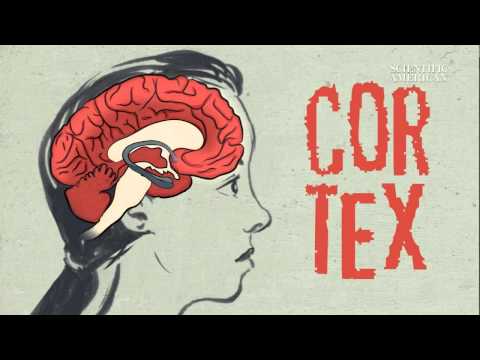
First off, when you meditate, you’re basically giving your mind a workout. Just like hitting the gym builds muscles, meditating strengthens areas of your brain. Studies show that regular meditation can increase the size of the prefrontal cortex, which is linked to decision-making and emotional regulation. Pretty neat, right?
Another important point is how meditation impacts stress levels. When you meditate regularly, you’re training your brain to handle stress better. Research indicates that people who meditate often have lower levels of cortisol, the stress hormone. Less cortisol means you’re generally calmer and more centered in life’s chaos. Imagine being stuck in traffic while feeling totally chill instead of ready to explode!
Now let’s talk about emotional well-being. Long-term meditators often report feeling more positive emotions and greater overall happiness. This might be linked to increased activity in areas of the brain associated with joy and contentment—like the amygdala. It might sound science-y, but it basically shows that regular practice can help you cultivate a happier mindset over time.
But it doesn’t stop there! Meditation also seems to impact attention spans. Have you ever sat down to read a book only to find your mind wandering? Well, studies have shown that consistent meditators often have improved focus and attention control compared to non-meditators. This means you could breeze through tasks without as many distractions popping up.
And here’s another thing: many people who stick with meditation find themselves developing greater self-awareness, which can lead to better relationships. When you’re more aware of your thoughts and feelings, it becomes easier to understand others too. You might notice moments where you used to react out of anger or frustration but now approach situations with empathy instead.
That said, not all effects are immediate; they build up over time like compound interest for your mind! Someone who meditates just once will probably not feel much different right away—but over months or years? That’s where the magic happens! You become more resilient and adaptable.
In summary:
- Meditation increases brain size in key areas.
- It reduces stress hormone levels, making life feel less overwhelming.
- Regular practice enhances emotional well-being, leading to more positivity.
- It improves focus and attention spans, so distractions don’t derail you as much.
- Meditation fosters greater self-awareness, benefiting personal relationships.
So really, if you’ve been on the fence about trying meditation or sticking with it long-term, just know there are some serious benefits waiting for you down the road!
Unlocking Neuroplasticity: Discover the Best Meditation Techniques for Brain Enhancement
Meditation has been around for ages, and it turns out it does some seriously cool stuff for your brain. You might have heard of neuroplasticity, which is basically the brain’s ability to change and adapt. Think of it as your brain doing push-ups—you can make it stronger and more flexible over time!
Now, let’s get into how meditation ties into this. When you meditate, you’re not just sitting quietly; you’re literally reshaping your brain. Through various techniques, you can improve focus, emotional control, and even memory. Here’s how different styles of meditation can play a role in that process:
- Mindfulness Meditation: This is all about being present in the moment. When you practice mindfulness, you’re training your brain to notice thoughts without judgment. Studies show that people who regularly practice mindfulness have increased gray matter density in areas tied to memory and emotion regulation.
- Focused Attention Meditation: Here, you concentrate on a single thing—like your breath or a mantra. By directing your attention like this, you’re strengthening the neural connections involved in concentration. It’s like giving your focus muscle a workout!
- Transcendental Meditation (TM): This involves repeating a specific mantra to reach a state of deep relaxation and awareness. TM has been linked with reduced stress levels and improved cognitive functions because it helps create new pathways in the brain.
- Loving-Kindness Meditation: In this one, you focus on sending love and positive vibes to yourself and others. Research suggests that practicing this style can lead to improvements in emotional regulation and can even help change negative thought patterns.
The benefits don’t stop there! You might find that consistent meditation boosts your creativity too! Just imagine sitting down after some focused breathing or loving-kindness work; suddenly ideas flow better when you’re not as stressed or anxious.
Also, there’s something super interesting about how meditation changes our brains over time. If you’ve ever seen someone transform themselves from being easily distracted to completely focused just from consistent practice—yup, that’s neuroplasticity at work.
To wrap it up: if you’re eager to unlock those brain-boosting benefits through meditation practices like mindfulness or TM, just know it’s not an overnight fix but rather a marathon journey. Stick with it long enough, and you’ll probably notice some mind-blowing changes! Keep at it; you’ve got this!
Exploring the Impact of Mindfulness Practices on Psychological Health and Well-Being
Mindfulness practices like meditation have gained a lot of attention in recent years for their positive effects on psychological health and well-being. So, what’s the deal with all this buzz? Well, it turns out that being mindful—basically, paying attention to the present moment without judgment—can shift your consciousness and, in turn, affect your mental state.
When you practice mindfulness, you’re not just zoning out or spacing off. You’re training your brain to notice your thoughts, feelings, and surrounding environment more clearly. This kind of awareness can lead to a better understanding of yourself, which is super important for emotional health.
One major benefit of mindfulness is its ability to reduce stress. It’s like having an emotional cushion. Studies have shown that people who meditate regularly experience lower levels of cortisol, the stress hormone. Imagine coming home after a long day and instead of letting the stress pile up inside you like dirty laundry, you take ten minutes to just breathe and be. That simple act can help clear your mind!
Then there’s anxiety. Lots of folks struggle with anxious thoughts racing around their heads like they’re stuck in a hamster wheel. Mindfulness can help break that cycle by teaching you how to observe those thoughts without getting tangled up in them. You start to realize they’re just thoughts—not necessarily facts or predictions about what’s going to happen next.
Another amazing thing about mindfulness practices is how they can improve emotional regulation. You know those moments when anger or sadness hits you hard? Practicing mindfulness helps create space between the trigger and your reaction. Instead of snapping at someone or getting lost in gloominess, you learn to pause and respond more thoughtfully.
Now let’s talk about well-being more broadly. Mindfulness doesn’t just fix problems; it enhances positive experiences too! It increases feelings of happiness and satisfaction because you’re more likely to savor life’s little moments—a warm cup of coffee or a hilarious text from a friend become treasures instead of mere background noise.
Moreover, some research indicates that consistent mindfulness practice might even change the structure of your brain over time! Areas linked to emotional regulation might grow stronger while those associated with stress shrink. It’s like giving your brain a workout; the more you practice being present, the better at it you’ll get!
And hey, let’s not forget about relationships! Mindfulness can improve interpersonal interactions as well by helping people communicate better and respond with empathy rather than react impulsively during conflicts.
In sum, exploring mindfulness practices opens up a world where mental clarity flourishes alongside emotional resilience. It makes tough times more bearable while enriching joyful moments too! So if you’re curious about shifting consciousness through meditation or other mindfulness techniques, remember it’s about practicing awareness day by day—it doesn’t have to be perfect; just a step towards being fully present in this crazy ride called life!
You know, I’ve been thinking a lot about meditation and how it’s like this magical gateway to shifting consciousness. Seriously! It’s incredible how just sitting quietly can spark such deep changes in the way we think and feel.
So, picture this: you’re sitting cross-legged on a comfy mat, maybe with some soothing music in the background—just you and your breath. At first, it might feel awkward or even annoying. Your mind’s buzzing with thoughts like “What’s for dinner?” or “Did I leave the oven on?” But then, gradually, you start to notice those thoughts drifting away. It’s kind of like watching clouds pass by in the sky.
The thing is, meditation doesn’t just chill you out; it actually rewires your brain in some pretty cool ways! Research shows that regular practice can increase gray matter in areas linked to memory and learning while reducing activity in the amygdala, which is that little almond-shaped part of your brain that deals with stress and anxiety. So basically, meditating may help you manage stress better—who wouldn’t want that?
I remember a friend who was a chronic overthinker. She’d get lost in her thoughts like they were a never-ending maze. After she started meditating daily, she said it was like someone had pressed pause on her mental chaos. She still had worries—the world isn’t going to stop throwing challenges at us—but she felt more equipped to handle them without spiraling.
Meditation also shifts how we perceive ourselves and others. You know how sometimes we get caught up in negative self-talk? Meditation can help silence some of that noise or at least shoo it away for a bit. It encourages self-compassion and empathy, making us more aware of our feelings and those around us. So when you’re less consumed by your own stuff, it becomes easier to connect with people.
And let’s not forget about mindfulness! It encourages us to live in the moment instead of worrying about what happened yesterday or what might happen tomorrow. Just being present? It sounds simple but can totally change how you experience life.
In essence, meditation isn’t just about finding inner peace; it’s really about transforming our consciousness one breath at a time. It’s wild how such a simple practice can have ripple effects throughout our lives! So if you’ve been considering giving it a try—or maybe trying again—just know there’s no wrong way to do it as long as you’re open to experiencing it all!