You know how life throws curveballs sometimes? Well, trauma can be one of the biggest ones. It sneaks up on you, sticks around, and influences how you see the world. It’s wild how something that happened ages ago can still mess with you today.
Now, people in social work often deal with trauma—like, all the time. They meet folks carrying heavy baggage, and it’s not always easy to help when you don’t fully get what that person has been through. But here’s the thing: understanding trauma isn’t just important for those who’ve lived it; it’s crucial for everyone working in this field.
Imagine walking into a room full of people but feeling like you don’t really know what they’re facing. That’s why integrating trauma awareness into social work is a game changer. It’s about connecting with individuals on a deeper level and providing real support that resonates with their experiences.
So let’s chat about why this matters and how it can transform both lives and practices. Seriously, it could make all the difference!
Integrating Trauma Awareness into Social Work: A Practical Approach for Enhanced Client Outcomes
So, let’s break this down. Integrating trauma awareness into social work isn’t just a trendy concept; it’s something that can seriously enhance client outcomes. You know how sometimes we don’t fully grasp how past experiences shape someone? Well, that’s exactly where trauma awareness steps in.
1. Understanding Trauma
Trauma isn’t just about big events like accidents or abuse. It can come from everyday situations too, like losing a job or experiencing intense stress. Basically, it’s any experience that overwhelms a person’s ability to cope and creates lasting emotional and psychological effects.
2. The Impact of Trauma on People
When you’re dealing with individuals who’ve experienced trauma, you might notice they react differently to stress or relationships. They might be more anxious or have trust issues. For example, if a client was neglected as a child, they might struggle with forming connections later in life.
3. Key Principles of Trauma-Informed Care
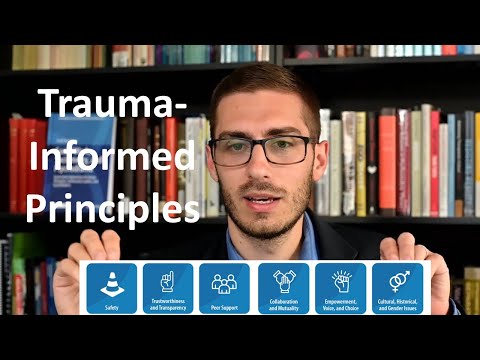
Integrating trauma awareness means adopting a trauma-informed approach in your practice. Here are some principles to consider:
- Safety: Clients need to feel physically and emotionally safe during your sessions.
- Trustworthiness: Be transparent about what to expect in the healing process—this builds trust.
- Collaboration: Involve clients in their own treatment plans; it’s empowering!
- Empowerment: Help clients gain control over their lives by highlighting their strengths.
- Cultural Respect: Recognize cultural differences and tailor your approach accordingly.
4. Practical Strategies for Social Workers
Now that we have the principles down, let’s talk about some practical strategies:
– **Active Listening:** Let your clients express themselves without interruptions. Sometimes just having someone listen can make all the difference.
– **Mindfulness Techniques:** These can help clients ground themselves when anxiety spikes.
– **Psychoeducation:** Teach clients about how trauma affects their behavior and emotions; knowledge is power!
– **Reflective Practices:** Regularly reflect on your interactions—what worked? What didn’t? This self-awareness helps you grow as a practitioner.
Anecdote Time!
I once heard about a social worker who was truly invested in understanding her client’s childhood experiences of neglect. Instead of rushing into therapy techniques right away, she spent time building trust and actively listening to the client’s story over several sessions first. Eventually, this led to breakthroughs that made the therapeutic process way smoother for both of them.
In sum, integrating trauma awareness into social work is not just beneficial; it’s essential for improving outcomes for clients dealing with the effects of unprocessed experiences. By creating safe environments and involving clients in their healing journey, social workers can help them reclaim control over their lives. It’s pretty powerful stuff!
Effective Trauma-Informed Practice in Social Work: Key Examples and Strategies
Trauma-informed practice is super important in social work. What this basically means is that professionals need to understand how trauma really shapes a person’s experiences and behaviors. Trauma can come from loads of sources, like abuse, neglect, or witnessing violence. And when social workers are aware of these factors, they can connect with their clients better and help them heal.
Recognizing the Signs
One big step in trauma-informed practice is recognizing the signs of trauma. You might see things like anxiety, anger outbursts, or even withdrawal in a client. When you spot these signs, it’s crucial to respond with empathy and understanding instead of judgment.
Creating a Safe Environment
It’s so key to create a safe space for clients. You want them to feel like they can trust you and share their stories without fear. This could mean simple things like making your office inviting and calm or using welcoming body language.
Empowering Clients
Another part of this approach is empowering your clients by giving them control over their own healing process. It could be as simple as letting them decide what topics to discuss in sessions or encouraging them to set goals for themselves.
- Collaboration: Involving clients in the decision-making process fosters a sense of control.
- Cultural Sensitivity: Remember that trauma affects people differently based on their backgrounds.
- No Re-Traumatization: Be cautious not to trigger painful memories when discussing past traumas.
- Building Resilience: Focus on strengths rather than just problems; help clients recognize their coping skills.
Think about it: if you’ve ever met someone who seems closed off, it might be because they’re wrestling with their past. I once met someone who’d experienced a traumatic childhood but didn’t talk about it until she felt absolutely safe during therapy. Feeling secure allowed her to slowly open up about deep fears she’d bottled up for years.
Coping Strategies
Social workers also need to share coping strategies with clients. Things like mindfulness techniques or grounding exercises can help people manage those overwhelming feelings that come from trauma. Small practices can make a world of difference!
Incorporating all these elements shows a clear commitment to understanding the profound impact trauma has on wellbeing. If social workers focus on being aware and sensitive, they’ll be better equipped to help others heal—one step at a time!
Understanding the Three Key Concepts of Trauma-Informed Practice
Trauma-informed practice has become a big deal in social work and psychology. Basically, it’s about understanding how trauma affects people’s lives and incorporating that understanding into your work. So, let’s break down the three key concepts of trauma-informed practice.
1. Safety
First off, the concept of safety is vital. It means creating an environment where individuals feel secure, both physically and emotionally. Imagine a client walking into a counseling office but feeling anxious because of sharp furniture or even the color on the walls. That’s not safe! You want to ensure that the space feels welcoming and calming.
When you think safety, consider things like confidentiality and trust too. If your clients think their stories won’t be kept private, they might hesitate to share their experiences. For example, a young woman may have trouble discussing her past if she fears someone might overhear or disclose her secrets.
2. Trustworthiness
Next up is trustworthiness. This one is huge because it lays the groundwork for effective communication and healing. Clients need to know that you’re reliable and honest with them—like, if you say something will happen, it better happen!
Think about a therapist who makes a promise to call someone back after a session but forgets—this can break trust in an instant! So being transparent about what clients can expect sets a strong foundation for moving forward together.
3. Empowerment
Lastly, there’s empowerment, which focuses on helping individuals regain control over their lives after experiencing trauma. It’s all about supporting them in making choices that feel right for them! This encourages resilience instead of dependency.
For instance, instead of just telling someone what they should do next in their healing process, you might ask how they feel about different options or what they envision for their future. It helps clients realize they have agency even after going through tough times.
So basically, when integrating trauma awareness in social work practice or any psychological setting:
- Create safe spaces.
- Build trust through open communication.
- Empower clients by involving them in decision-making.
These elements are all interconnected and crucial for effectively helping those who’ve experienced trauma heal and thrive again! It’s like giving them tools rather than just keeping them dependent on support—something we should always aim for in this line of work!
Integrating trauma awareness into social work psychology practice is like turning on a light in a dim room. You know? It helps you see things more clearly and understand why people behave the way they do. When social workers pay attention to trauma, they’re not just looking at symptoms or presenting problems; they’re digging deeper into the roots of someone’s pain.
Think about it. Most of us carry some kind of baggage from our past, whether we want to admit it or not. I remember a friend of mine who had such a hard time trusting people. At first, I thought it was just her personality, but as we got closer, she shared bits and pieces of her childhood—abuse that left scars you couldn’t see but were all too real. Once I understood where she was coming from, my compassion for her made so much more sense.
Trauma can shape someone’s worldview and reactions in ways that can seem irrational if you don’t know their background. A kid who’s been through foster care might act out in class, not because they’re a troublemaker but because they’re terrified of being abandoned again. By recognizing this trauma-informed perspective, social workers can tailor their approaches and interventions more effectively.
It’s not just about understanding individual cases either; it shifts the entire approach to support systems. When trauma awareness is integrated into practice, the focus becomes healing rather than just managing crises. This means building safe spaces where clients feel seen and heard without judgment.
But here’s where it gets tricky: while we want to create these supportive environments, social workers also have to navigate their emotional responses to others’ trauma. It’s easy to get overwhelmed or burned out when you’re constantly engaging with such heavy stuff—like carrying a weight that feels never-ending.
That’s why self-care and supervision become crucial parts of the equation. It’s like ensuring your own cup is full before trying to fill someone else’s. You have to take care of your own mental health so you can be effective in helping others heal theirs.
In essence, integrating trauma awareness isn’t just smart practice; it’s essential for real connection and support in social work psychology. It encourages empathy, fosters resilience, and promotes healing—not just for clients but for practitioners too. Because at the end of the day, we’re all humans trying to navigate this complex world together, right?