So, travel anxiety—yeah, that’s a real thing. Ever feel that knot in your stomach when you’re about to head out on a trip? Seriously, it can hit you outta nowhere!
Maybe it’s the thought of planes, trains, or just being away from home. It’s all good until that wave of worry washes over you. You’re not alone in this struggle.
The thing is, there are ways to tackle it. This isn’t about ignoring your feelings; it’s more about understanding them. Kind of like figuring out why you freak out when packing your bags.
Let’s chat about how to make travel less about panic and more about adventure! Sound good?
Understanding Travel Anxiety Symptoms: Identifying Signs and Seeking Help
Travel anxiety can sneak up on us, you know? One minute you’re looking at flight deals, and the next, your stomach starts flipping like it’s on a rollercoaster. But what exactly is this anxiety? Let’s break it down and look at some signs.
Physical Symptoms
When you’re feeling anxious about traveling, your body often reacts in noticeable ways. You might experience:
Imagine planning a vacation. You’ve got everything mapped out, then suddenly on the day of departure, you feel like you can’t breathe. It’s that overwhelming feeling of panic creeping in.
Cognitive Signs
Your thoughts can spiral during travel anxiety too. You might catch yourself thinking:
These thoughts often zoom around in your head like a never-ending hamster wheel. They create this bubble of fear that makes it hard to focus on anything else.
Behavioral Changes
Sometimes, travel anxiety shows up in how we act. You might notice:
You can think of someone who books a trip but ends up canceling it because they just can’t face the thought of boarding that plane.
The Cycle of Anxiety
It’s kind of wild how anxiety works in cycles. The more stressed you feel about traveling, the more intense these symptoms become—like a snowball rolling downhill. This can lead to avoiding travel altogether, which only reinforces those fears.
Seeking Help
If travel anxiety starts affecting your life too much (like keeping you from seeing friends or exploring new places), reaching out for help is crucial. Talking to someone—a friend who gets it or even a therapist—can offer new perspectives and strategies.
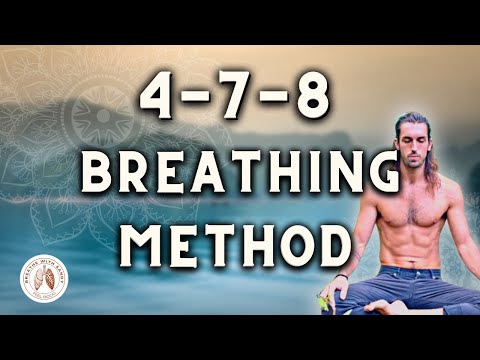
Therapies like Cognitive Behavioral Therapy (CBT) have helped loads of folks tackle their fears by changing those pesky negative thought patterns into something more manageable. Plus, relaxation techniques such as deep breathing or mindfulness can be handy tools for calming those nerves before takeoff.
In short, recognizing travel anxiety symptoms is the first step towards conquering them! And remember: sometimes it’s okay to ask for help when that plane feels like it’s just way too high up for comfort.
Effective Strategies for Overcoming Travel Anxiety: A Comprehensive Guide
Travel anxiety can be a real downer. You might feel a mix of excitement and dread as your trip approaches. It’s totally normal! But the good news is there are some effective strategies you can use to keep those anxious feelings at bay.
Understand Your Triggers
First off, it’s super helpful to know what exactly is making you anxious. Is it flying? Packing? Being away from your routine? Identifying these triggers can help you tackle them head-on. For example, if it’s the fear of flying, maybe learning about how safe planes are could ease that worry.
Plan Ahead
Being prepared can go a long way. Make a checklist a few days before you leave. Include everything from packing essentials to confirming your reservations. This not only keeps you organized but can also give you a sense of control over your travel plans.
Practice Mindfulness Techniques
Mindfulness helps ground you in the present moment instead of letting your mind spiral into “what-if” scenarios. Techniques like deep breathing or visualization can calm those racing thoughts. Picture yourself enjoying your destination rather than stressing over the journey!
Stay Connected
If possible, keep in touch with family or friends during your trip. Having someone to share your experiences with or even just to chat when you’re feeling anxious can make all the difference. For instance, sending them messages about what you’re experiencing might distract you from anxious thoughts and remind you that you’re not alone.
Create a Comfort Kit
Pack a little bag with items that make you feel safe and calm—like favorite snacks, music playlists, or even a book you’ve been meaning to read. Having these little comforts on hand while traveling can help reduce anxiety levels significantly.
Set Realistic Expectations
Sometimes we build up this perfect image of how our trip should go—not cool! Realizing that things might not go exactly as planned helps take some pressure off. Maybe rain interrupts your beach day—no biggie! Finding fun alternatives is what adventure is all about.
Use Positive Self-talk
Pay attention to how you talk to yourself before and during travel. Instead of saying things like “I’m going to panic,” flip it around: “I am capable of handling anything.” It sounds simple, but really changing that inner dialogue makes an impact.
Traveling doesn’t have to be something that fills you with dread. By understanding yourself better and using these strategies, you can focus more on the adventure ahead rather than the anxiety holding you back! So remember: no matter how overwhelming it feels sometimes, each small step helps lead toward conquering travel anxiety—not just for this trip but for every journey ahead!
Understanding Travel Anxiety Medication: Options, Effects, and Legal Considerations
Travel anxiety is, you know, something a lot of people deal with. That knot in your stomach before a flight or a road trip can be seriously overwhelming. Sometimes, folks turn to medication to help ease those nerves. Let’s break down what options are out there, how they work, and what legal stuff you should know.
Types of Medications
There are a few kinds of medications commonly used for travel anxiety:
- Benzodiazepines: Medications like Xanax or Ativan are popular choices. They work quickly by calming the brain and body. However, they can sometimes make you feel drowsy.
- Antidepressants: Some people use SSRIs (like Prozac or Zoloft) for ongoing anxiety relief. They take longer to kick in but can help with long-term anxiety.
- Beta-blockers: These aren’t just for heart problems! They can help manage physical symptoms like rapid heartbeat and shaking during anxious times.
Now, here’s where it gets a bit tricky. Will medication completely take away your anxiety? Probably not! It usually works best when combined with other strategies, like deep breathing or positive self-talk.
Effects of Medications
Every pill has its pros and cons—no surprise there! For instance:
- Benzodiazepines are effective for short-term relief but might lead to dependence if used often.
- SSRIs can improve mood overall but may have side effects like weight gain or nausea at first.
- Beta-blockers can reduce physical symptoms but won’t necessarily change how you think about flying or traveling.
You probably want to know about how these meds might mix with your personal vibe. Everybody reacts differently! A friend of mine once took Xanax before her flight and felt relaxed enough to chat with the person next to her instead of freaking out. But another buddy tried it and felt so sleepy he could barely keep his eyes open.
Legal Considerations
Now let’s talk about the legal side of things because it’s super important! In many places, medications like benzodiazepines require a prescription from a doctor—yeah, that means you can’t just grab them over the counter at the pharmacy.
- Prescription Requirement: Always check if your medication needs a script in your country. Some places have strict laws regarding anxiety medications.
- Travel Restrictions: If you’re traveling internationally, be aware that certain meds may be banned or heavily regulated in other countries.
- DUI Risks: Even though it might seem unrelated, driving under the influence of certain anxiety medications could land you in serious trouble—so keep that in mind!
Also, always let your doc know if you’re planning to travel and want to use meds for anxiety—they can give guidance tailored to your needs!
In essence, understanding travel anxiety meds involves knowing what options are available, their effects on you personally (because everyone reacts differently!), and navigating any legal narrow paths that come with them. So as you pack up for your next adventure, think about all this—and remember: medication is just one piece of the puzzle when tackling travel anxiety!
Travel anxiety can hit hard. Picture this: You’re all set for a trip. Bags packed, itinerary ready, maybe even a bit of excitement bubbling inside. But then, bam! That knot in your stomach tightens. Thoughts race through your mind—what if the plane is late? What if I get lost?
So, what’s going on here? Essentially, travel brings change and uncertainty. You’re stepping out of your comfort zone. It’s like jumping into a cold pool; at first, it feels shocking, but once you acclimate, it can be refreshing.
From a psychological point of view, many people experience something called anticipatory anxiety. This is that feeling where you dread an event before it even happens. It’s like imagining every possible bad scenario and letting those thoughts spiral out of control. You know how when you’re at the edge of a diving board and all you can think about are the chances of belly flopping or hitting your head? Yeah, that!
But here’s something interesting: acknowledging those feelings is half the battle. Acceptance doesn’t mean giving in to fear; it’s about recognizing that anxiety is just a part of being human. When I was gearing up for my first big solo trip, I felt this wave of anxiety wash over me as I approached the airport gates.
I took a deep breath and reminded myself why I wanted to travel in the first place—the thrill of adventure! The key is to focus on positive outcomes instead of dwelling on scary “what-ifs.” Breaking down your journey into smaller steps can also help a ton. Maybe start with local trips before tackling long flights or foreign countries.
And hey, grounding techniques work wonders too! When you’re feeling anxious, tuning into your senses can bring you back to reality—like feeling the texture of your suitcase or listening to music that calms you down.
Traveling shouldn’t feel like something you dread; it should be exciting! So try reframing those anxious thoughts into more manageable ones and lean into the adventure waiting for you beyond those airport doors. It’s about finding joy in exploring new places while accepting that bumps along the road are all part of the journey!