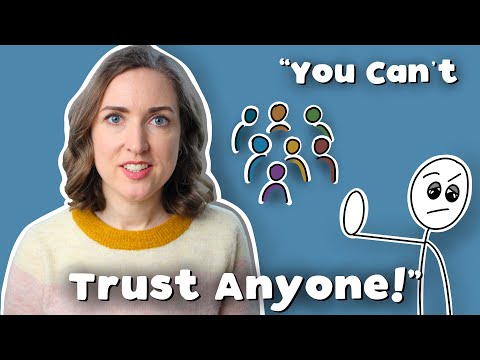
Trust issues, huh? They can feel like a brick wall between you and the people around you. It’s like, one minute you’re feeling all warm and fuzzy, and the next you’re wondering if anyone really has your back.
I mean, we’ve all been there. Maybe your best friend flaked on you for the millionth time, or you caught someone in a lie. Suddenly, it’s hard to know who to believe.
But trust isn’t just about others; it’s a lot about us too. Our past experiences shape how we see things today. And that can get messy!
Let’s chat about why trust issues pop up and what they mean in our everyday lives. Seriously, trust can be a tricky little thing!
Understanding the Psychology of Trust Issues: Causes, Effects, and Resolution Strategies
Trust issues can be a pretty heavy weight to carry around. You know? It’s like walking around with a backpack full of bricks. But what are they exactly? Basically, trust issues arise when someone struggles to believe in the reliability, honesty, or ability of others. This might sound familiar if you’ve ever been let down by someone you cared about. When that happens, it changes how you see people and relationships.
So, what causes these trust issues? Well, there’s usually a mix of factors involved. For one, past experiences play a huge role. If someone’s been betrayed or hurt—maybe through infidelity or abandonment—they might start viewing others as untrustworthy.
Then there are attachment styles. If you grew up in an environment where love was inconsistent, it might lead you to feel anxious about trusting others later on. That’s pretty common! You could find yourself constantly second-guessing your partner’s intentions or feeling insecure in friendships.
Another thing to consider is self-esteem. Low self-esteem can make it hard for individuals to believe that others really care about them. If you’re already feeling unworthy, trusting someone else becomes even scarier because you fear they’ll leave too.
Now let’s talk about the effects of these trust issues. They can be like waves crashing against the shore—disruptive and sometimes overwhelming! You might notice that your relationships become strained. Constantly questioning someone’s motives can push people away, creating a cycle of loneliness and misunderstanding.
Sometimes, this leads to anxiety or depression because maintaining those walls takes a lot of emotional energy! You could end up avoiding deep connections altogether out of fear of being hurt again, which only makes things worse in the long run.
So here’s the good part—what can you do about it? Resolving trust issues requires patience and some serious introspection. Here are some strategies:
- Acknowledge your feelings: Understand that it’s okay to feel this way! Recognizing your own emotions is the first step toward healing.
- Communicate openly: Talk about your feelings with those close to you. Sharing your fears helps build understanding.
- Tackle small steps: Start trusting in little ways before jumping into big commitments.
- Focus on self-improvement: Work on boosting your self-esteem through activities you enjoy.
You know? Sometimes we all need a reminder that building trust takes time—just like tending to a garden. It doesn’t happen overnight; it requires care and patience!
Lastly, consider seeking professional help if things feel too heavy to handle alone. Talking through these issues with someone who understands can lead to breakthrough moments.
In short, trust issues aren’t just personal hang-ups; they come from our experiences and shape how we connect with others in real ways. And while facing these challenges isn’t easy—it kind of feels like climbing an uphill battle—you don’t have to do it alone!
Exploring the Four Key Attributes of Trust in Psychology: A Comprehensive Overview
Trust is one of those things that shapes our relationships, both personal and professional. But if you think about it, trust isn’t just a feeling; it has some underlying attributes that help us understand it better. In psychology, there are four key attributes of trust worth exploring.
1. Ability
This basically refers to the belief that someone has the skills or competencies to do what they say they will do. Picture this: you’re in a team project at work, and you know your colleague is great with data analysis. When they promise to deliver the report on time, your faith in their ability makes it easier for you to rely on them.
2. Integrity
Integrity is all about being honest and having strong moral principles. If someone consistently does what they say and acts ethically, we tend to trust them more. For example, if a friend keeps their promises and stands up for you when needed, you’re likely to feel more secure in that friendship. It’s like knowing beneath the surface that they mean what they say.
3. Benevolence
This attribute reflects whether someone has your best interests at heart. Think of it as seeing the good intentions behind someone’s actions. You might have a mentor who offers guidance without expecting anything in return; their willingness to support you fosters trust because you genuinely believe they’re looking out for your well-being.
4. Consistency
Trust builds over time through repeated actions and behaviors that confirm other attributes. When someone behaves predictably—whether at work or in a relationship—you start to feel more secure with them. Like if a partner consistently communicates openly about feelings instead of shutting down during tough conversations; it creates a sense of safety because they’ve shown up reliably before.
Understanding these four attributes can shed light on why we might struggle with trust issues sometimes. If someone’s lacking in one or more of these areas—maybe they’re not dependable or show inconsistent behavior—it can lead us to doubt them, right? And that doubt messes with our connections with others.
So moving forward, when you think about trust—or maybe even grapple with some trust issues yourself—it could help to consider these attributes as scaffolding around relationships; some people may need a bit more work than others to build that structure securely!
Navigating Trust Issues in Relationships: A Psychological Perspective
Navigating trust issues in relationships can be like wandering through a maze. You think you know the way, but suddenly there’s a wall or a giant pitfall that throws you off course. Trust, you see, is foundational to any healthy relationship. Without it, things can get pretty rocky.
Let’s break down what trust really means. Trust is that warm feeling you get when you know someone has your back. It’s about feeling safe and secure with another person. When trust starts to waver, problems crop up. Doubts and insecurities begin to bubble over, causing misunderstandings and tension.
Now, what causes these trust issues? Sometimes it stems from past experiences. Maybe you were betrayed by someone close to you—a friend or even a parent—and now every time someone new comes into your life, that old fear rears its ugly head again. Attachment theory explains this pretty well—how our early relationships shape our expectations in adult ones.
Imagine this: you’re dating someone new and they don’t text back right away after saying they would. Your mind starts racing! “Are they cheating?” “Do they not care?” These thoughts spiral quickly because of past hurts or fears of abandonment. That’s the thing! Your brain jumps into survival mode, trying to protect you from getting hurt again.
Another factor at play? How communication happens between partners. If open conversations are lacking, it leads to assumptions and misunderstandings. Think about how easy it is for little things to blow up when there’s no clarity! Ever had a friend ghost you? You might have thought there was something wrong with you rather than considering their own stuff might be going on.
So here’s where we get into how to deal with these sticky situations constructively:
- Acknowledge your feelings: Accept that what you’re feeling is legitimate.
- Communicate openly: Share your concerns without blaming—this makes all the difference.
- Practice vulnerability: Allow yourself to be open even when it’s scary.
- Set realistic expectations: Remember nobody’s perfect; mistakes happen!
Navigating through trust issues isn’t just about overcoming doubt; it’s also about growth together as partners. Sharing insecurities can actually strengthen the bond if done right—a little bit like building muscle!
Of course, rebuilding trust takes time and effort from both sides. It requires patience and understanding as each partner learns not just about each other but also themselves along the way.
To sum things up: Trust issues can cloud our relationships due to past experiences or lack of communication—but they can absolutely be worked on! Remembering that growth takes time is key when navigating these challenging waters together with someone special in your life makes all the difference in maintaining that bond strong and secure.
You know, trust issues can really mess with your head and relationships. They sneak up on you like that one friend who always shows up uninvited—like, come on, we didn’t ask for this! It’s wild how deep-rooted these issues can be, often stemming from past experiences. Think about it: if someone close to you broke your trust, it can feel like a punch to the gut. You start second-guessing everything and everyone.
I remember a friend who went through this phase after a rough breakup. She was left feeling betrayed and became super guarded. Talking to new people felt like stepping onto a minefield—each conversation could explode into insecurity or panic at any moment. It’s not just her; many folks find themselves questioning others’ intentions constantly. It’s exhausting!
So, what’s going on in your brain when trust is shaky? Well, there’s this part called the amygdala that handles fear and emotional responses. When you’ve been hurt before, it triggers that fight-or-flight mode every time you sense potential danger in relationships. Even if the threat isn’t real, your brain doesn’t care; it reacts as if it were.
And then there’s the whole story we tell ourselves about trust—or the lack of it, right? You might convince yourself everyone will let you down or that being vulnerable is just asking for trouble. That belief becomes almost like a shield you carry around all the time.
But here’s the thing: sometimes people are genuinely trustworthy but might get caught up in your past experiences. It can take some work (and maybe some awkward conversations) to break those old patterns and let new connections grow freely.
Ultimately, understanding trust issues isn’t about pointing fingers or placing blame; it’s about recognizing how they affect how we relate to one another and ourselves. Learning to trust again takes time—kind of like peeling back layers of an onion without crying buckets! You’ve got to address those feelings gently and allow yourself space to rebuild that faith in others without carrying burdens from yesterday into today.
So if you’re feeling stuck in this cycle, remember: it’s okay not to trust immediately! Give yourself grace because everyone deserves a chance—just maybe keep an eye on those “uninvited friends” while you’re at it!