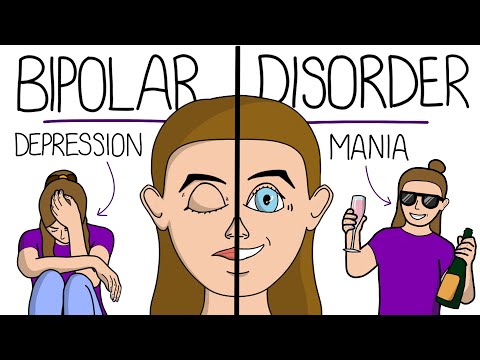
You know how life can sometimes feel like a rollercoaster? One minute you’re soaring high, feeling invincible, and the next, you’re in a deep dip, struggling to get through the day. That’s kind of what living with Type 1 bipolar disorder is like.
It’s not just mood swings—it’s more complex than that. Imagine riding those highs and lows without any brakes. It can be confusing. It can be exhausting. You might think you understand it, but really, it’s a whole different world.
Let’s break it down together. We’ll look at what goes on in the mind during those intense peaks of mania and those heavy valleys of depression. There are all these psychological layers that play into it! Whether you’re experiencing it yourself or know someone who is, gaining insight can really help make sense of this wild ride called life.
Understanding the Progression of Bipolar 1 Disorder: Does Age Influence Severity?
Bipolar 1 Disorder, often just called bipolar disorder, can be quite a ride. Understanding its progression and how age might play a role in severity is pretty important. Let’s break this down into digestible bits.
First off, what is Bipolar 1? Basically, it’s a mental health condition characterized by extreme mood swings. You get these wild highs (mania) and lows (depression). The highs feel like being on top of the world. But the lows can feel pretty heavy, almost like you’re stuck in quicksand.
Age does seem to matter when it comes to how people experience and manage Bipolar 1 Disorder. Research suggests that younger people might face more intense episodes than those who are older. So, if you’re younger and dealing with mania or depression, it can hit really hard.
Now imagine this: a teenager named Jake starts feeling invincible during his manic phases. He’s taking risks left and right—staying up all night partying or making impulsive decisions like quitting school. But when he crashes, the feelings of sadness and hopelessness are just as intense.
As people age, they often gain better coping mechanisms. There’s this thing called “maturity,” you know? Older adults may have learned strategies over time to handle their moods better—like mindfulness techniques or healthier lifestyle choices.
Think about Sarah, who in her 30s realizes that staying active helps lighten her mood! She finds joy in yoga and meditation during her low phases instead of going down deep into despair.
But don’t get too comfortable! The severity of episodes can also increase with age for some people due to stressors—like family responsibilities or work pressures piling up.
A younger person might feel isolated, while an adult may lean on friends or family for help during tough times. This support makes a big difference!
Moreover, episodes tend to fluctuate over time; some might find their manic phases becoming less frequent as they grow older while others could continue facing severe high-and-low cycles.
So yeah, there’s no one-size-fits-all answer here! Each person has their own unique journey with Bipolar 1 Disorder shaped by age and life experiences.
In summary:
– Age **can** affect the severity of symptoms.
– Younger individuals often experience more intense episodes.
– Older adults might have better coping strategies but still face challenges.
– Support systems play a crucial role regardless of age.
Understanding these patterns can help both individuals living with Bipolar 1 and those supporting them navigate the complexities that come with this disorder at different life stages.
Exploring Psychological Theories of Bipolar Disorder: Insights and Implications
Bipolar disorder can feel like a rollercoaster, where emotions swing from the highest highs to the lowest lows. When we talk about **Type 1 Bipolar Disorder**, we’re looking at the more extreme end of this spectrum. So, let’s dive into some psychological theories that shed light on this condition.
Biological Theories suggest that there might be a strong genetic component involved. If someone in your family has bipolar disorder, you could be at a higher risk. Research shows that certain brain structures and chemical imbalances—like neurotransmitters—play a role too. You know how your brain needs a balanced diet of chemicals to function properly? Well, when those are off, mood swings can happen.
Then there are Cognitive Theories. These focus on how your thoughts shape your feelings and behaviors. People with bipolar disorder might have patterns of thinking that lead to their emotional ups and downs. For instance, during manic episodes, you might feel invincible and think you can take on the world. But when depression hits? That’s when negative thoughts can spiral out of control. It’s like flipping a switch between feeling awesome and feeling completely hopeless.
Another interesting angle is offered by Environmental Theories. Your surroundings matter just as much as biology or thoughts. Stressful life events—like losing a job or going through a breakup—can trigger episodes for some people. Imagine you’re cruising along smoothly, and then bam! Something stressful happens and throws you right into chaos.
Developmental Theories look at how early life experiences shape our mental health later on. If someone had a rough childhood—think trauma or neglect—they might be more vulnerable to developing bipolar disorder down the line. It’s like planting seeds; if they’re watered with love and care, they grow strong, but if they’re neglected? Well, things get a bit wild.
Finally, we can’t ignore the impact of Sociocultural Factors. Different cultures view mental illness in varying ways which can affect how individuals experience their condition. In some places, there’s stigma attached to mental health issues which can lead people to hide their symptoms instead of seeking help.
All these theories together give us some great insights into Type 1 Bipolar Disorder: it’s complex and multifaceted! Each theory helps us understand different aspects of this condition better. So whether it’s biology or environment pushing someone’s buttons, recognizing these pieces allows for greater empathy not only for those living with it but also for ourselves as we navigate our own ups and downs in life!
Navigating Legal Implications of Bipolar Identity Crisis: Rights and Responsibilities
Navigating the legal implications surrounding bipolar identity crisis can be quite a maze. When we talk about someone with Type 1 Bipolar Disorder, we’re looking at extreme mood swings, ranging from manic highs to depressive lows. These shifts can impact not only mental health but also personal rights and responsibilities.
First off, let’s break down some of the rights you might have:
- Right to Informed Consent: If you’re being treated for bipolar disorder, you have the right to understand your treatment options. This means being informed about medications and therapies.
- Right to Privacy: Medical records are sensitive stuff! You have the right for your mental health information to be kept confidential unless you give permission otherwise.
- Right to Non-Discrimination: You can’t be discriminated against in workplaces or other settings because of your condition. That’s just not okay!
- Right to Accessibility: If your condition makes it hard for you to access certain services or buildings, there are laws that help ensure those places accommodate your needs.
Now let’s flip the coin—what about responsibilities? Sometimes people overlook them.
- Responsibility for Treatment: It’s crucial to follow through with treatment plans laid out by healthcare providers, as this can help in managing symptoms effectively.
- Communication: Keeping open lines of communication with family, friends, or employers is essential. They need to know what’s going on so they can support you properly.
- Avoiding Harm: Both legally and ethically, it’s important to do what you can to avoid situations that could lead you—or others—into danger during manic phases.
Imagine someone in a manic state who decides it’s a good idea to quit their job on a whim without having another lined up. Not only does this impact their financial situation, but it may also lead them into legal troubles if they can’t meet their financial obligations.
Bipolar disorder isn’t just an internal battle; it affects how you interact with the world around you. Sometimes family members might try and step in legally if they feel someone is becoming unsafe or unable to make decisions. This could involve guardianship issues or healthcare proxies where one person is authorized to make decisions when another can’t.
In terms of navigating these waters, knowing your rights can empower you but recognizing responsibilities is equally crucial. Balance is key! When you’re aware of both sides, you’re better equipped for when things get rocky.
So yeah, it’s like preparing for a storm—you keep yourself safe by understanding how best to weather whatever comes your way. It might not be easy, but knowing what you’ve got under your belt legally gives a sense of control amidst the chaos that bipolar disorder can sometimes bring into life.
Bipolar disorder, especially Type 1, can sound really overwhelming from the outside. I mean, it’s like you’re riding a rollercoaster without a safety harness, right? You’ve got those intense highs and crushing lows that can shake your whole world up. So, what’s really going on in someone’s head when they’re dealing with this type of bipolar disorder? Let’s break it down a bit.
First off, when we talk about Type 1 bipolar disorder, we’re looking at those manic episodes that can last for days or even weeks. Imagine waking up one day feeling like you could tackle anything—running marathons, starting new businesses, or throwing epic parties all in a single breath. That’s the high of mania! But with it often comes a plummet into deep depression that makes everything feel heavy and dark.
I remember a friend once shared how he felt during his manic phase. He described it like living in technicolor—everything was vivid and exciting. But then he’d crash into this gloomy abyss where even getting out of bed felt impossible. It was heartbreaking to watch him navigate those extremes. I realized then that it’s not just about mood swings; there are layers of emotional turbulence happening beneath the surface.
So, psychologically speaking, it seems like there’s something more at play here than just moments of joy or despair. Researchers have suggested that genetics might have a hand in it, along with brain structure differences that affect mood regulation. In simpler terms? Your brain isn’t processing emotions the same way as someone without bipolar disorder.
Then there’s also the external factors—stressors from life events or changes in relationships can seriously mess with things too. You know how sometimes just simple things feel overwhelming? For someone with Type 1 bipolar disorder, those little stressors can trigger an episode.
What really stands out to me is how important support systems are for folks dealing with this condition. Whether it’s friends who get it or professionals who understand brain mechanics, having people around can make a massive difference in managing those highs and lows.
So yeah, understanding Type 1 bipolar disorder through this psychological lens shows us not just the struggles but also the complexities involved in someone’s experience. It asks us to look past the chaos and see the human need for connection and support while navigating such intense emotional landscapes.