You know how some people just seem to carry this heavy cloud around with them? Like, they’re not quite the life of the party but also not totally checked out? That’s what we’re chatting about today—Type D personality.
It’s a mix of emotions and behaviors that can get pretty complex. Picture someone who feels all these emotions but keeps them bottled up inside. That’s Type D for you!
But hey, it’s not just about being a bit moody or reserved. There’s a whole lot more going on under the surface. Like, how does this personality type affect relationships, stress levels, and even health?
Stick around as we break it down together! You might just see some familiar faces—or maybe even yourself—along the way!
Understanding Type D Personality Traits: Characteristics and Implications for Well-Being
Sure! Let’s break this down and get into the specifics of Type D personality traits.
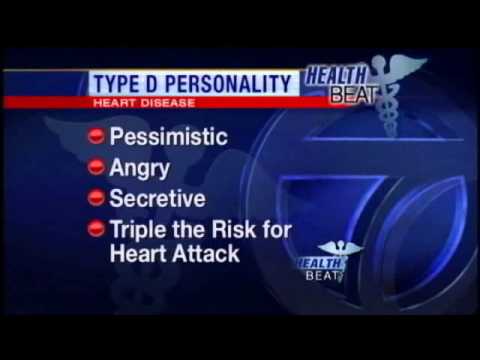
So, you might be wondering what a Type D personality is all about. Basically, it’s a combination of two main factors: negative affectivity and social inhibition. That means people with this type often experience negative emotions like sadness or anger, while also feeling uncomfortable in social situations.
Negative affectivity is all about how someone frequently feels bad emotions. Picture someone who’s always expecting the worst or feels down most of the time. They might not just shrug off these feelings but rather let them linger and affect their day-to-day life.
On the other hand, you’ve got social inhibition. This means that people with Type D personalities can find it tough to share their feelings or connect with others. They might avoid social gatherings because they feel anxious or worry too much about how they’re perceived.
- Emotional Patterns: People like this often feel overwhelmed by their emotions. For example, when faced with stress, they might withdraw instead of reaching out for support.
- Coping Mechanisms: Instead of talking it out, they could bottle up their feelings. Imagine working hard to keep your thoughts inside until one day it just bursts out—it’s tough!
- Easily Stressed: Type Ds often have a heightened response to stress. This can make them feel even more exhausted when life throws challenges their way.
A big area where Type D traits come into play is health. Studies suggest that these personality types can lead to higher risk for things like cardiovascular issues. You see, constant stress and those negative feelings can really take a toll over time.
An important point to remember is that being type D doesn’t mean you’re stuck in a box forever—there’s room for change! It’s all about recognizing those patterns in your life and maybe finding healthier ways to cope or communicate.
If you think about your own experiences, maybe you’ve had moments where you felt super anxious at a party or found it hard to express what was bothering you? That’s pretty typical for folks with these traits.
Understanding Type D is crucial if you’re aiming for better mental well-being. Being aware of these tendencies can help individuals address them before they escalate into bigger problems down the road!
You know, at the end of the day, it’s about navigating through those tricky emotions while not letting them control your life. So yeah, knowing more about yourself can totally empower you in making some positive shifts!
Exploring Type D Personality: Key Associations and Implications for Mental Health
Type D personality is something you might not hear about every day, but it’s pretty interesting. It stands for «Type Distressed.» Basically, people with this personality type often experience a lot of negative emotions and tend to suppress them. This can lead to some serious consequences for mental health, you follow me?
Key Characteristics
So, let’s break down what being a Type D personality means. Usually, these folks score high on two main traits: negative affectivity and social inhibition.
- Negative Affectivity: This refers to the tendency to experience negative emotions, like anxiety, sadness, or irritability. Imagine having a cloud hanging over you most of the time—yeah, that’s what it can feel like.
- Social Inhibition: People with Type D personalities often struggle with social situations. They might feel anxious or worried about what others think of them. It’s like being at a party but feeling like you don’t belong there.
Now picture someone who has these traits. Let’s say there’s a guy named Tom. He’s always worried about how he comes across in conversations and tends to brood over little things that went wrong during the day. You see how his negative thoughts hold him back from enjoying social gatherings? That’s classic Type D.
Mental Health Implications
This personality type is more than just quirks; it has real implications for mental health too! Research suggests that Type D individuals may be at higher risk for various problems:
- Anxiety and Depression: Because they dwell on the negatives and find it hard to express their feelings openly, they often feel trapped in their own minds.
- Coping Strategies: Their tendency to keep emotions bottled up can lead to unhealthy coping strategies—think substance abuse or avoidance behaviors.
- Physical Health Issues: Interestingly, this kind of stress can even affect physical health! There are studies indicating that Type D personalities might have higher rates of cardiovascular diseases.
Just imagine someone like Lisa. She avoids talking about her feelings because she thinks no one will understand her or she’ll burden them. As a result, she sinks deeper into depression without realizing it.
Sociability Factor
One important aspect is how they engage socially—or the lack thereof! Many Type D folks might come off as withdrawn or unfriendly because they’re so caught up in their worries.
Let’s say Sara goes out with friends but spends most of the time feeling awkward or worrying if she’s saying the right thing. It makes sense why she’d rather stay home than face those tough situations repeatedly!
The Bright Side?
Now don’t get discouraged reading all this! Knowing about Type D personalities can actually help guide support efforts if you find yourself recognizing these traits in yourself or someone else.
People often benefit from improving emotional awareness and finding better ways to express feelings instead of keeping them locked away.
So yeah! Understanding how these emotional patterns work helps create better environments where everyone feels understood—even if those feelings are difficult sometimes. It’s all part of learning how we tick as humans!
Exploring the Dark Core Factor of Personality D: Understanding Its Implications and Impact
So, let’s talk about this fascinating thing called Type D Personality. It’s often referred to as the “distressed” personality type. And honestly, it brings together some pretty intense emotional and behavioral patterns.
Type D is characterized by two main traits: negative affectivity and social inhibition. Negative affectivity means you tend to experience a lot of negative emotions like sadness, anxiety, or anger. Social inhibition? Well, that’s when you hold back in social situations because you’re worried about how others will perceive you. Imagine being at a party where everyone seems to be having fun while you’re stuck in your head wondering if anyone likes you. That feeling is central to Type D.
Now, let’s break down what this actually means for someone with a Type D personality:
- Emotional Distress: If you’re the Type D person, your day-to-day life might feel heavy with stress and sadness. You can find yourself worrying far more than the average Joe.
- Avoidance of Social Interactions: You might dodge gatherings or shy away from saying what you really feel. You’re not alone; it’s like standing at the edge of a pool but never jumping in because you fear it’ll be too cold.
- Coping Mechanisms: Often, people with this personality type cope through avoidance rather than confronting their feelings…
- Poor Health Outcomes: There’s research that links Type D to health issues like heart disease due to high levels of stress impacting your body long-term.
You know what’s wild? Even though these traits can make life seem tough, they also serve as a lens through which one can understand their experiences better. It’s not just about what’s wrong but also about recognizing what could help improve things.
If we think about an example from everyday life, picture a person who feels anxious before going into a meeting at work. They might prepare excessively but still struggle with self-doubt during the actual meeting. This behavior is closely tied to that whole social inhibition thing! They want to contribute but are held back by fear—classic Type D.
The implications of being a Type D go beyond just personal feelings; they ripple into relationships too. The tendency to withdraw can create barriers with friends or family who may not understand why you’re acting distant or why it seems hard for you to open up. Think about how frustrating that must be for everyone involved!
If you’re curious about the impact on mental health—well, it’s significant! Research shows that individuals with this personality type are more prone to experiencing conditions like depression or anxiety disorders over time because all those suppressed emotions need somewhere to go!
The good news is there are ways out of this maze! Recognizing these patterns is already step one toward change. Therapy or simply talking things out with trusted friends can help break down those walls. As difficult as it may seem initially, reaching out can lead back toward connection and understanding in both personal and social realms.
So basically, diving into the world of Type D Personality helps uncover how emotion shapes behavior and vice versa. In turn, that understanding should shine some light on navigating through those darker core traits more effectively!
So, let’s chat about Type D personality. You know, it’s one of those personality types that doesn’t get a ton of attention but definitely deserves some love. Now, if you’re not familiar, Type D stands for “distressed.” It’s basically folks who really struggle with negative emotions and feel a lot of social inhibition. Think about it—those people who just can’t seem to shake off their worries or feel comfortable in social settings.
Picture someone at a party. They want to join in on the fun but are stuck in their head, worrying about what others think, feeling like they don’t fit in. They might crack a smile and nod along, but inside? It’s like a storm is brewing. I had a friend like that once; she was always super nice but would often avoid gatherings simply because her mind kept racing with anxiety. It was heartbreaking sometimes because her warmth just got overshadowed by her worries.
Now, the intersection of emotion and behavior here is pretty fascinating. Type D personalities often have this mix of high levels of emotional distress combined with a fear of expressing those feelings outwardly. So, what happens? They tend to keep everything bottled up, which can lead to all sorts of issues—like stress or even health problems down the line.
The thing is, this emotional suppression doesn’t just harm them personally; it influences how they build relationships too. When you stop yourself from sharing your true feelings or connecting deeply with others because you’re scared or insecure? That creates a distance that’s tough to bridge later on.
But it’s not all doom and gloom! Recognizing these patterns is the first step toward breaking out of them. I mean, just knowing that there’s a name for what you’re feeling can be such a relief! And while changing long-held behaviors isn’t easy (trust me, I’ve tried!), simple steps—maybe practicing mindfulness or just talking things out with someone—can help ease that burden bit by bit.
So yeah, Type D personalities deal with some heavy stuff at the crossroads of emotion and how they act in the world around them. Understanding this can open your eyes to your own experiences—or even help you support someone close who might be struggling through similar patterns without really knowing why.