Alright, so let’s chat about something that can feel a bit heavy: bipolar disorder, particularly Type One. It’s one of those topics that doesn’t get enough airtime, you know? People often throw around terms like “mood swings,” but there’s a lot more to it than just ups and downs.
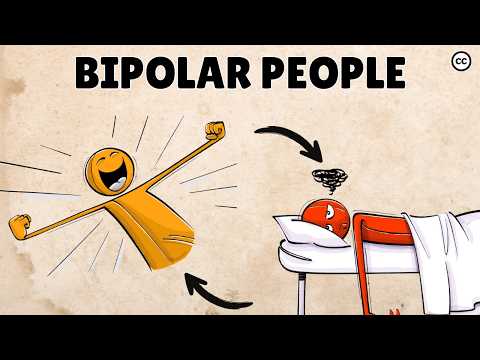
Imagine riding a roller coaster. Some days you’re soaring high, feeling invincible, and other times, you’re crashing down into the depths of despair. It’s intense! And it can be kinda confusing for both the person living it and those around them.
Type One bipolar isn’t just a label; it’s a real experience that affects thoughts, emotions, and behaviors in some pretty profound ways. So let’s break it down together. We’ll explore what this all means in plain terms—no jargon here—just real talk about how this condition shapes lives. Sound good?
Understanding the 7 Types of Bipolar Disorder: A Comprehensive Guide
Bipolar disorder is like a rollercoaster ride of emotions. Seriously, if you’ve ever felt the highs of a great day turn into the lows of a tough one, you might just get what I mean. So, let’s chat about the different types of bipolar disorder, focusing specifically on Type One.
Type One Bipolar Disorder is often characterized by manic episodes that last at least seven days or by manic symptoms that are so severe that you might need immediate hospital care. During these manic phases, someone might feel overly energetic, unusually irritable, or just generally on top of the world—sometimes too much for their own good.
One key feature? You can also have depressive episodes that last at least two weeks. And this isn’t just feeling a little down; it’s more like you’re stuck in a foggy pit where nothing feels fun anymore. The thing is, not everyone with bipolar disorder experiences depressive episodes the same way.
Another aspect to understand is mixed episodes. This means you can feel really energized and super low at the same time. It’s like being in a fast car while having your foot on the brake—exhausting and confusing!
Here are some other points that help clarify what Type One looks like:
- Manic Episodes: These can include inflated self-esteem, decreased need for sleep (you might feel like you don’t need any!), and rapid talking.
- Depressive Episodes: Feeling hopeless, loss of interest in activities once enjoyed, and having trouble concentrating.
- Mixed Features: Experiencing symptoms of both mania and depression simultaneously.
- Cycling: The mood swings can happen quickly—a person could shift from manic to depressed within days.
You know what really gets to people experiencing this? It’s not just about feelings; it can mess with work, relationships, and daily life. Like imagine being your bubbly self one moment then shutting down completely the next—friends can get confused or concerned.
Sometimes people may also struggle with substance abuse, trying to cope with these intense emotions through unhealthy means. It’s definitely not uncommon to see those twists and turns in life play out in dramatic ways.
And look, even if we’re talking about Type One specifically here, there are other types of bipolar disorders too: Type Two has less severe manic episodes called hypomania but still includes periods of depression. Then there’s Cyclothymic Disorder which involves milder symptoms over long periods.
Understanding these nuances is essential because it helps both those affected and their loved ones gain perspective on what’s going on inside their heads. Imagine trying to make sense of your feelings when they swing wildly—that’s tough for anyone!
So there you have it! That’s Type One Bipolar Disorder laid out simply. Each experience varies widely from person to person but recognizing these patterns can foster empathy and connection among those living with it and those supporting them.
Understanding the Differences Between Bipolar 1 and Bipolar 2 Disorder: Key Insights and Implications
Bipolar disorder can be a tough cookie to crack. You’ve got two main types: **Bipolar I** and **Bipolar II**. Each one has its own quirks and challenges. Let’s break them down, shall we?
Bipolar I Disorder is the more intense of the two. It’s characterized by manic episodes that last at least seven days, or by manic symptoms that are so severe you might need immediate hospital care. These episodes can lead to some wild behavior—think of spending sprees, risky decisions, or extreme irritability. It doesn’t stop there; depressive episodes often follow, lasting for at least two weeks.
On the flip side, we have Bipolar II Disorder. This one features a milder form of mood elevation called hypomania. Hypomanic episodes last at least four days and are not as severe as full-blown mania. So you might feel incredibly productive or super social but without crossing into that manic territory where things start to get chaotic. But hey, there are also depressive phases here too! They can be just as debilitating.
Let’s make it even clearer with some examples:
- Mania in Bipolar I: Picture someone who feels like they’re on top of the world, working on three new projects simultaneously and barely sleeping. If they stay up for days and spend money they don’t have on things they don’t need—think yacht trips—they might be experiencing mania.
- Hypomania in Bipolar II: Now imagine someone who feels unusually happy and energized but maintains their sleep schedule. They’re getting stuff done—cleaning their house or finishing a work project—but they don’t do anything extremely reckless.
- Depressive Episodes: In both types, depression can hit hard. You might feel hopeless, lose interest in things you love, or struggle just to get out of bed.
The key takeaway? While both disorders involve shifts in mood, it’s really the intensity and duration of those moods that sets them apart.
There’s also something critical regarding how these conditions impact everyday life. With **Bipolar I**, you could find yourself more frequently hospitalized due to those intense manic episodes. This could affect your relationships and job stability in more drastic ways than with **Bipolar II**.
So what does this all mean for treatment? Well, both disorders call for medication and therapy usually, but the focus may differ based on symptoms’ severity and type. That said, understanding which type you’re dealing with can help tailor an effective treatment plan.
To wrap it up—even though these types share some similarities at first glance; when you dig deeper into each one’s nuances—like the intensity of mania versus hypomania—it becomes clear why distinguishing between them matters greatly for better management and understanding overall mental health journeys!
50 Essential Facts About Bipolar Disorder: Understanding Symptoms, Treatment, and Support
Bipolar disorder is a complex mental health condition that affects millions of people worldwide. So let’s break down some essential facts about it, particularly focusing on Type One Bipolar Disorder.
Bipolar Disorder Basics
Bipolar disorder is characterized by extreme mood swings that include emotional highs (mania or hypomania) and lows (depression). The shifts can be severe and disrupt not just your mood but also your energy levels, activity levels, sleep, and even your ability to think clearly.
Symptoms of Type One Bipolar Disorder
When we talk about Type One, we’re usually mentioning the full manic episodes. Here’s a quick rundown of what you might experience:
- Manic Episodes: These can last at least seven days. You might feel overly euphoric, very energetic, or irritable.
- Depressive Episodes: This can feel like a heavy blanket weighing you down. You may find yourself feeling hopeless, lethargic, and losing interest in activities.
- Mixed Features: Sometimes you can feel symptoms of both mania and depression at the same time. Imagine feeling super energetic but also really sad—it’s confusing!
The Impact on Life
Type One Bipolar Disorder doesn’t just affect how you feel; it impacts all areas of life. Relationships may strain under the pressure of mood swings. At work or school, it could be tough to keep up with tasks when you’re feeling high one day and low the next.
I remember a friend who struggled with this disorder. During his manic phases, he was unstoppable—working late into the night with tons of ideas but then crashing into deep depressions where he barely got out of bed for weeks.
Treatment Options
Treatment is crucial for managing bipolar disorder effectively. Here are some common approaches:
- Medication: Mood stabilizers like lithium are often prescribed. Antipsychotics and antidepressants may also play a role in treatment.
- Psychotherapy: Talking therapies like cognitive behavioral therapy can help manage symptoms and improve coping strategies.
- Lifestyle Changes: Regular exercise, good sleep hygiene, and a balanced diet can have positive effects on mood stability.
The Role of Support Systems
Having a robust support system is critical! Friends and family who understand what you’re going through can make all the difference.
You don’t have to go through this alone—support groups offer connections with others who know what it’s like to face bipolar challenges every day.
Misperceptions About Bipolar Disorder
Sadly, there are many myths about bipolar disorder that persist out there:
- Bipolar = Mood Swings: Everyone has mood swings! But bipolar disorder is more than just being “up” or “down” occasionally; it’s intense and often disruptive.
- You Can «Snap Out» Of It: This isn’t something someone chooses; it’s a serious condition that requires treatment.
Recognizing these misconceptions is an important step in fostering understanding and empathy for those affected.
So there you have it—a quick overview of Type One Bipolar Disorder packed with essentials! Knowing more about this condition helps in breaking stigma while encouraging open conversation around mental health issues. It’s definitely something worth understanding better!
Bipolar disorder is one of those things that can feel pretty confusing, both for the person experiencing it and for the folks around them. Type One bipolar disorder, specifically, can be a rollercoaster ride of emotions. Imagine being on a high when everything feels possible, but then suddenly crashing down into a deep pit of despair. It’s intense.
So, what does it mean to have Type One bipolar disorder? Well, basically, it’s characterized by manic episodes that last at least a week or so. These highs can range from feeling super energized to having racing thoughts or even becoming impulsive. Then there are depressive episodes that can follow these highs—think extreme sadness and fatigue that makes getting out of bed feel like climbing a mountain.
Let me tell you about a friend of mine who has been living with this condition for years. When she’s in a manic phase, she’ll take on all projects at once—like learning guitar, starting a new job, and organizing events—all in the same week! It’s amazing to watch her so alive and enthusiastic. But then she crashes hard; she gets exhausted and isolated. The difference between those two states is like night and day.
Psychologically speaking, there are various theories out there about what causes bipolar disorder; some even lean toward genetics playing a role. Stressful life events can also trigger episodes; it’s kind of like the brain’s chemistry gets out of whack under certain situations. That’s why understanding this disorder isn’t just about knowing the symptoms—it’s about looking at how they impact someone’s life day-to-day.
And here’s the kicker: stigma around mental health plays into this too. People with Type One bipolar might face judgments or misunderstandings from others who think they’re just “moody” or “dramatic.” This can make it even harder for them to seek help or talk about what they’re going through.
At the end of the day, understanding Type One bipolar disorder means recognizing that there are real emotional patterns at play here—ones that require empathy and support rather than judgment. You know? Life is complicated enough without adding additional layers of misunderstanding to mental health conditions.
So yeah, if you ever find yourself engaging with someone who’s navigating this path—or if you’re walking it yourself—remember there’s more beneath the surface than what meets the eye.