You know that feeling when everything just seems like too much? Yeah, it can be really overwhelming.
Well, many people turn to antidepressants to help them through those tough times. But here’s the thing: not all antidepressants are created equal. There’s a whole bunch of different types out there, each with its own quirks and effects.
So, let’s chat about these varieties. What do they do? How do they work? And what might be best suited for different folks?
Get comfy because this is going to be an interesting ride through the world of antidepressants and how they fit into the bigger picture of psychological treatments.
Top 10 Antidepressant Drugs: A Comprehensive Guide to Effective Treatments
Sure! Let’s talk about antidepressants and how they can play a role in mental health. It’s important to understand that these medications are just one piece of a bigger puzzle when it comes to treating depression. So, here’s a rundown of some antidepressant types and what you should know about them.
1. Selective Serotonin Reuptake Inhibitors (SSRIs)
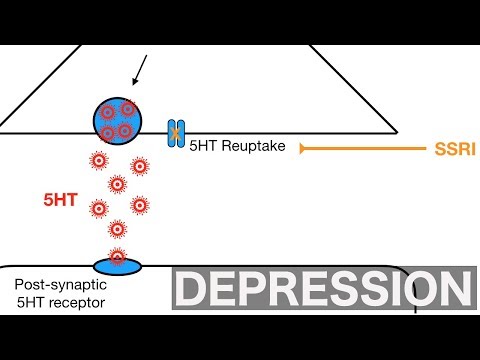
This class is often the first line of defense against depression. They work by boosting serotonin levels in your brain, which helps improve mood. Common SSRIs include fluoxetine (Prozac) and sertraline (Zoloft). People often find they have fewer side effects with these meds.
2. Serotonin-Norepinephrine Reuptake Inhibitors (SNRIs)
Similar to SSRIs, but they also target norepinephrine, another neurotransmitter involved in mood regulation. Duloxetine (Cymbalta) and venlafaxine (Effexor) are popular SNRIs. They might be particularly helpful if you’re dealing with both anxiety and depression.
3. Atypical Antidepressants
These don’t fit neatly into other categories. Bupropion (Wellbutrin) is known for being different because it doesn’t work on serotonin as much as other antidepressants do. Some people like it because it tends to have fewer sexual side effects, which can be a bonus!
4. Tricyclic Antidepressants (TCAs)
These are older meds that can be effective but usually come with more side effects compared to newer options. Amitriptyline is one example that’s sometimes used for chronic pain as well as depression.
5. Monoamine Oxidase Inhibitors (MAOIs)
They’re not very common these days because they require strict dietary restrictions—eating certain foods while on these meds can cause serious issues! But for some individuals who don’t respond well to others, they might still be an option.
6. Mood Stabilizers
While often used for bipolar disorder, mood stabilizers like lithium can also play a role in treating severe depression, especially when it’s part of a broader issue.
7. Antipsychotics
Certain antipsychotic medications can help with treatment-resistant cases of depression when combined with an antidepressant. Olanzapine is one that might be suggested in certain situations.
8. Ketamine
This isn’t your typical antidepressant; it’s actually gaining attention for its rapid-acting effects on severe depression—especially in cases where traditional treatments haven’t worked at all.
9. Herbal Supplements
Some people turn to St.John’s wort or omega-3 fatty acids as natural alternatives or supplements alongside their conventional treatment plans; however, you should always chat with someone knowledgeable before going down that road!
10. Combination Therapy
Often, doctors suggest mixing different types of medications or adding therapy for the best results—sometimes pairing an SSRI with a TCA might yield better outcomes than sticking to just one type.
What you need to remember is that everyone’s experience with these medications can vary widely based on individual factors like genetics, personal history, and specific symptoms you’re dealing with! There’s no ‘one-size-fits-all’ solution here—it might take time to figure out what works best for you personally.
Oh, and always keep an open line of communication with your healthcare provider about how you’re feeling while on any medication—that way adjustments can be made if needed!
Comprehensive Guide to Antidepressant Medications: Names, Uses, and Considerations
There’s a lot to unpack when it comes to antidepressant medications. These are prescribed mainly for mood disorders, with the most common being depression and anxiety. The thing is, not all antidepressants work the same way; there are different classes, each with its own functions and characteristics.
First off, let’s talk about some of the major types of antidepressants you’ll come across:
- Selective Serotonin Reuptake Inhibitors (SSRIs): These are often the first choice due to their relatively mild side effects. They help to increase levels of serotonin in your brain, which can boost mood. Popular examples include fluoxetine (Prozac) and sertraline (Zoloft).
- Serotonin and Norepinephrine Reuptake Inhibitors (SNRIs): Like SSRIs, but they target norepinephrine too. This dual action can be effective for some folks. Examples are venlafaxine (Effexor) and duloxetine (Cymbalta).
- Tetracyclic Antidepressants: Not as common these days but worth mentioning. They tend to have more side effects than SSRIs or SNRIs, but can be helpful in certain cases. One example is maprotiline.
- Atypical Antidepressants: This category includes several drugs that don’t fit neatly into other classifications, like bupropion(Wellbutrin), which is often used for both depression and as a smoking cessation aid.
- Mood Stabilizers: While technically not antidepressants, drugs like lithium, often used for bipolar disorder, can also have mood-enhancing effects.
So why do people take these medications? Well, they’re primarily aimed at alleviating symptoms of depression and anxiety. It’s all about adjusting chemical imbalances in the brain that might be affecting your mood or emotional state.
Now here’s where it gets tricky: individual responses can vary wildly. What works wonders for one person might have little effect on another—or worse yet—cause unpleasant side effects like weight gain or nausea. It takes time to find the right medication and dosage.
For example, let’s say you start on an SSRI like fluoxetine. You might notice a lift in your mood after a few weeks! But guess what? Others could feel worse before they get better or might experience insomnia instead of relief.
There are also important considerations when taking antidepressants:
- Tapering Off: If you’re thinking about stopping your medication, never do it cold turkey! Always consult with your doctor—gradually lowering the dose is usually safer.
- Pill Interactions: If you take other medications or supplements, there could be interactions that impact how effective your antidepressant is.
- Sensitivity Duration: It typically takes a few weeks to see noticeable changes after starting an antidepressant—so patience really is key!
- Counseling:** Combining medication with therapy often increases effectiveness; it tackles both chemical imbalances **and** underlying issues!
To sum up, while antidepressants can be incredibly helpful tools in managing mental health conditions like depression and anxiety, understanding their types—SSRIs to atypical ones—and keeping track of individual responses is vital! And remember: staying connected with healthcare providers ensures that you’re making informed decisions along your journey toward feeling better.
It’s all about finding that balance between what works best for you personally while navigating through this complex landscape of mental health treatments!
Meta-Analytic Review of Psychological Treatments for Depression: A Systematic Overview
Sure, let’s chat about the meta-analytic review of psychological treatments for depression. You know, it’s like digging through a bunch of studies to find out what really works.
So, when we talk about **psychological treatments for depression**, we’re usually referring to therapies like cognitive-behavioral therapy (CBT), interpersonal therapy (IPT), and others that aim to help you deal with your feelings and thoughts. These treatments focus on helping you understand your emotions and behaviors in a more constructive way.
Now, a **meta-analysis** is basically when researchers collect data from multiple studies on the same topic—like different types of psychological treatments—and crunch the numbers to see which one comes out on top. This kind of review can really help in understanding what’s effective and what isn’t.
When it comes to **depression treatments**, those meta-analytic reviews have pointed out a few key findings:
- Cognitive Behavioral Therapy (CBT) is often highlighted as one of the most effective forms. It helps you identify negative thoughts and replace them with more balanced ones.
- Interpersonal Therapy (IPT) focuses on improving relationships and social functioning, which can be a huge factor in how we feel.
- Another finding is that the combination of therapy and antidepressants tends to work better than either alone. If you’re taking medication but still feeling low, adding some therapy might give you that extra boost.
- Mindfulness-based therapies, which focus on being present and accepting your feelings without judgment, have gained traction too. These approaches can be particularly helpful for some people.
Let’s not forget about the role of **duration** and **frequency**. Studies suggest that longer treatment durations tend to yield better outcomes. So if you’re thinking about starting therapy, sticking with it can make all the difference.
But here’s where it gets interesting—you’ve got different individual responses to these treatments! What works wonderfully for one person might not do much for another. That’s why having options is essential; it allows for tailoring approaches based on personal needs.
One emotional angle worth mentioning is that many people feel overwhelmed when facing depression alone, but therapies can create a sense of connection—like having someone alongside you who truly understands your struggle.
In summary, those meta-analytic reviews show strong evidence supporting specific psychological treatments like CBT and IPT while emphasizing personalized care. The goal? To find what resonates best with each person so they can start their journey toward feeling better.
Alright, let’s chat about antidepressants and how they’re part of the whole mental health scene. So, you know how sometimes life just feels like a heavy blanket draped over you? It’s like you can’t quite shake off that lethargy, and everything seems gray. For some people, that’s where antidepressants come into play.
There are actually various kinds of these medications, each doing their own thing to help kick that cloud away. You’ve got your SSRIs—Selective Serotonin Reuptake Inhibitors—like fluoxetine (you might know it by its brand name, Prozac). These basically help boost serotonin levels in your brain, which is key for mood regulation. But then there are SNRIs too; they focus on serotonin and norepinephrine. It’s kind of about tweaking the balance in the brain so you can feel a bit more like yourself.
But it’s not all simple, right? The truth is, finding the right medication can be a bit of a journey—or maybe even a rollercoaster ride! I remember my friend Mia went through several different meds before she found one that worked for her. It was frustrating for her and honestly took longer than she hoped. Some made her feel like a zombie or created weird side effects that were just not cool. Seriously, it’s like trying to find the right key to unlock a door when you’ve got a whole bunch of those old-school keys (you know the ones?).
And then there are also newer treatments popping up! Some folks have had success with something called ketamine therapy or even psychedelics—yeah, crazy stuff! But these aren’t mainstream yet. They’re still being researched and explored in various contexts.
But here’s the important part: medications aren’t always the entire answer. Lots of people find therapy super helpful too—talking things out can be magical sometimes! It’s almost as if pairing both therapy and medicine might create this perfect storm for healing.
So essentially? Antidepressants come in many flavors and what works for one person may not cut it for another—which is totally okay! It’s all about figuring out what suits you best on this journey toward feeling better. Just remember: whatever path you choose should ultimately be about finding relief and regaining joy in your life again. And that… well, that’s worth exploring every option out there!