Alright, so let’s talk about this thing called Borderline Personality Disorder. Ever heard of it?
It’s one of those topics that can feel super heavy, but honestly, it’s really important to understand. People can show it in different ways, and it’s not always what you think.
Imagine someone who feels emotions like a rollercoaster—ups and downs everywhere! That’s just a sneak peek into what folks might experience.
You know, when we dig into the different forms of this disorder, you realize there’s a lot more to it than just one label. It affects people in unique ways—like fingerprints or snowflakes!
So, if you’re curious about how all these variations play out in real life, stick around. It could be a real eye-opener!
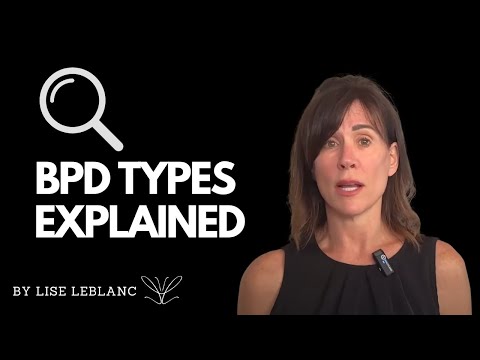
Understanding the 4 Types of Borderline Personality Disorder: A Comprehensive Overview
Borderline Personality Disorder (BPD) can be a pretty complicated topic. It’s like peeling an onion—there are layers that need to be understood to get to the core. People often think of BPD as just one thing, but it actually comes in different “flavors” or types. Let’s break it down.
The 4 Types of Borderline Personality Disorder basically refer to the varying ways BPD can show up in people. Each type has its own characteristics and behaviors, which can sometimes look pretty different from one another. Here’s what you need to know.
- Impulsive Type: This type is all about acting on a whim. These individuals may engage in risky behaviors like reckless driving, substance abuse, or unprotected sex without thinking much about the consequences. For instance, imagine someone who goes out one night and spends all their savings on a spontaneous trip without planning ahead.
- Affective Type: The affective type experiences intense emotions that swing wildly from happiness to deep sadness—sometimes within minutes! They might find themselves crying uncontrollably over small things or feeling ecstatic over something trivial. Like when you get a compliment and suddenly feel on top of the world, but then later, a minor critique sends you crashing down.
- Angry Type: Anger can really dominate this type’s emotional landscape. They might lash out at friends or family for what seems like minor issues because emotions can become overwhelming quickly. Picture someone getting into a heated argument over something insignificant simply because they felt misunderstood or disrespected.
- Self-destructive Type: This type deals with self-harm and negative thoughts about themselves. They may struggle with self-loathing, which could lead them to engage in harmful behaviors like cutting or substance abuse as coping mechanisms. It’s heartbreaking because underneath all that anger toward themselves is often a deep-seated desire for validation and love.
Understanding these types is crucial because it helps form better connections with those who have BPD. Each flavor has its unique challenges and needs support tailored specifically for those experiences.
Now let’s chat about how these types intermingle sometimes! Many individuals may not strictly fit into just one category; they could show traits from multiple types based on situations or their moods at any given time.
For example, someone might predominantly display impulsive behaviors but also experience intense emotional swings when under stress—making their experience even more complex.
The bottom line here is that Borderline Personality Disorder isn’t just one-size-fits-all; it’s layered and nuanced. Recognizing these four types allows friends, family members, and even professionals to approach the situation with more empathy and understanding.
In relationships with people who have BPD, staying calm during emotional storms is key! Emotional turbulence affects everyone involved since feelings sometimes get too big for any single person to handle alone.
So next time you come across discussions surrounding BPD, remember those four distinct styles—it might open doors to better conversations and deeper connections!
Borderline Personality Disorder (BPD) is one of those topics that can get super complicated, but honestly, it’s really about understanding people and their emotions. You know, BPD isn’t just one way of being; it can show up in different forms, making each person’s experience totally unique.
Let’s say you’re talking to someone with BPD. There’s a chance they feel things more intensely than most. Like, if they’re happy, they’re *really* happy, but if they’re upset, watch out! That emotional rollercoaster can feel like it’s flipping the world upside down. And what’s wild is how those intense emotions can lead to relationships that are pretty rocky. Some people with BPD might struggle with an overwhelming fear of abandonment. Imagine always feeling like you have to hold on tight because losing someone feels like a total disaster.
Then there are those who might show signs of emptiness or a sense that something is just missing inside them. They often feel disconnected from themselves or their surroundings—like they’re watching their life from the sidelines rather than living it fully. I remember chatting with a friend who felt this way; she’d sometimes get so lost in her thoughts that reality seemed fuzzy and distant.
But here’s the thing: not everyone presents the same way. Some folks might come off as really impulsive—making decisions on a whim without thinking twice—while others might have more subdued reactions but still deal with intense internal chaos. It’s like watching different movies when everyone shares the same theme of struggle with identity and regulation of emotions.
And let’s not overlook how often people misunderstand BPD because of its stigmas and stereotypes! It’s easy for someone to label them as “drama queens” or to misinterpret their behavior as manipulative when it’s just their way of coping with deep-seated fears and pain.
So yeah, understanding borderline personality disorder means recognizing that what we see on the surface is often just the tip of the iceberg. There are layers beneath—past experiences and emotional struggles—that shape how someone navigates life. It reminds us to approach each other with empathy and a willingness to listen because everyone has their own battles going on behind closed doors. That connection can make all the difference in helping someone feel seen and understood.