You know how some people can chat for hours, while others are more like short and sweet? It’s wild, right? Communication styles really shape our relationships.
Think about it—when you talk to someone who’s all about the details, it can be super different from chatting with a friend who prefers to keep it light and funny.
So, where do these styles come from? Well, they’re influenced by so many factors like culture, personality, and even past experiences. It’s kind of like a dance; sometimes it flows perfectly, and other times… well, not so much!
In this piece, we’ll dig into those different styles—what makes them tick and how they impact our lives. You’ll see that understanding these differences can really change the way you connect with others. Ready for this ride? Let’s go!
Understanding Communication Styles in Psychology: A Comprehensive Guide
Communication is a fascinating piece of our daily lives. It’s how we connect, express our thoughts, and build relationships. But not everyone communicates in the same way. Understanding communication styles can make a huge difference in how we relate to others, especially when it comes to psychology.
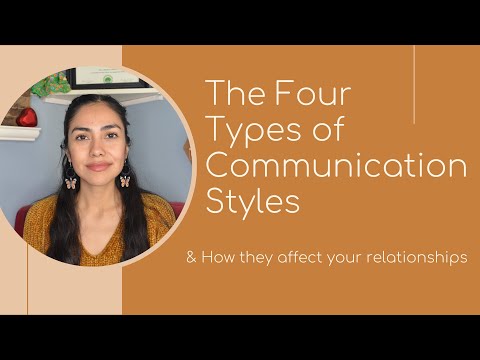
First off, let’s break down these styles. There are typically four main types of communication styles:
- Assertive: This style is all about clear and respectful expression. People who communicate assertively share their feelings honestly while respecting others. They’re confident yet considerate.
- Aggressive: Aggressive communicators often dominate conversations, using forceful language or even intimidation. They may disregard the feelings of others, which can lead to conflict.
- Passive: Those with a passive style tend to avoid expressing their opinions or feelings altogether. They might agree with others just to keep the peace but end up feeling resentful.
- Passive-Aggressive: This style combines elements of passivity and aggression. Instead of confronting issues directly, passive-aggressive communicators might express their frustration indirectly through sarcasm or procrastination.
Each of these styles brings something different to the table, you know? For example, imagine a team at work where one person expresses his ideas clearly without stepping on anyone’s toes (assertive). Meanwhile, another person tends to shout over others when they don’t get their way (aggressive). The dynamic feels really off because they’re operating on totally different wavelengths.
Now let’s talk about why understanding these communication styles matters in psychology. You see, every style influences relationships, both personal and professional. If someone communicates aggressively, they might miss out on deeper connections because people could feel intimidated or shut down around them.
On the flip side, someone who is too passive often struggles with expressing what they really want or need in a relationship. So it’s like they’re playing hide-and-seek with their emotions! You can imagine how frustrating that would be for both sides.
There’s also this concept called «communication apprehension.» Some folks get super nervous about speaking up because they fear judgment or misunderstandings. This anxiety can push them toward either passive communication—or sometimes even aggressive outbursts when they finally do speak up!
Let’s not forget cultural influences as well! Different cultures have unique norms around communication that shape how people express themselves: some value directness while others prefer more subtlety.
To sum it all up: understanding communication styles is like having your own decoder ring when interacting with others! By recognizing your own style and being aware of how others communicate, you can foster healthier interactions and avoid misunderstandings.
So next time you find yourself chatting with someone—whether it’s a friend or coworker—think about what communication style they’re using and how it meshes with yours. It could make all the difference in building positive relationships moving forward!
Exploring Communication Through a Psychological Lens: Understanding Human Interaction and Perception
Communication is one of those things we do every day, but have you ever stopped to think about how it works? It’s not just about talking or texting; it’s a whole dance of human interaction and perception. Let’s take a closer look, shall we?
When we communicate, a ton of factors come into play. Our culture, personal experiences, and even our mood can change how we express ourselves and interpret what others say. Like, have you ever noticed how your tone shifts when you’re excited versus when you’re tired? That’s all part of the game.
People often use different communication styles. Some might be very direct—like your friend who just says what they mean without beating around the bush. Others lean more towards being indirect, which can sometimes leave you guessing. For instance, if someone says «That’s an interesting choice,» they might not actually mean that it’s interesting but rather that they don’t agree with your choice at all!
Here are some key points to think about when exploring communication through a psychological lens:
- Non-verbal signals: Did you know that much of what we communicate isn’t even spoken? Body language, facial expressions, and eye contact play huge roles in how our message lands.
- Cognitive biases: Your brain filters information based on past experiences. If you had a bad experience with someone who wears glasses, for example, you might unconsciously judge others with glasses more harshly.
- Active listening: This is more than just hearing words; it’s trying to understand the emotions behind them. When someone shares something important with you and you nod or respond appropriately, you’re showing empathy.
- Cultural differences: Not every culture communicates in the same way. In some places, silence means respect or thoughtfulness; in others, it could be interpreted as awkwardness.
- Emotional intelligence: This is crucial! Being able to read the room and pick up on emotional cues can really enhance your communication skills.
Think about this: if you’ve ever walked into a room where people were laughing but then suddenly quieted down when you entered—it feels awkward right? That sudden shift tells you so much without anyone saying a word.
Another thing is perception. How we perceive communication can drastically alter interactions. Imagine texting your buddy something fun and then waiting for their response only to feel panic as minutes pass by with no reply. You might start wondering if they’re angry or just busy! But maybe they dropped their phone or got caught up in something else entirely.
In short, understanding communication from a psychological perspective helps unravel those complex layers of meaning in our interactions. The way people express themselves—and how we interpret those expressions—is influenced by so many factors! And recognizing these nuances can make conversations richer and more meaningful.
So next time you’re chatting with someone, remember: there’s probably way more going on than meets the eye!
Understanding the Four Types of Communication: A Comprehensive Guide
Communication is like the glue that holds everything together in our relationships, work environments, and everyday interactions. You might be surprised to learn that there are four main types of communication styles people often use. Each one carries its own vibes, strengths, and weaknesses. Let’s break them down!
1. Passive Communication
So, here’s the deal: passive communicators often avoid expressing their feelings or opinions. They might think that keeping quiet will keep the peace. This could lead to misunderstandings or bottled-up emotions. You know someone like this? Maybe it’s a friend who never puts in their two cents during a group chat; they just go along with whatever everyone else decides.
2. Aggressive Communication
Then, there’s aggressive communication. This style can be pretty intense! Aggressive communicators tend to express their views in a way that violates others’ rights or feelings. Think of someone who speaks loudly, interrupts everyone, or uses insults to make a point—super off-putting, right? It’s almost like they don’t care how their words affect others.
3. Passive-Aggressive Communication
Now we get to passive-aggressive communication—a sneaky one! These folks might not say what they really mean but instead express it through sarcasm or indirect comments. You could run into someone who’s all smiles on the surface but secretly rolling their eyes when you suggest an idea at work. It’s like they’re playing a game without letting anyone know the rules.
4. Assertive Communication
Finally, we have assertive communication—the gold standard! Assertive communicators express their thoughts and feelings honestly and respectfully. It’s about speaking your mind without stepping on anyone else’s toes! Picture a conversation where you can voice your opinions freely but also listen genuinely to others—pretty refreshing!
In essence, your communication style can make a huge difference in how others perceive you and interact with you too! Understanding these types not only helps you identify your own patterns but also sheds light on how different styles affect relationships in real life.
So whether you find yourself navigating through these types at work or even with friends, just remember: awareness is key! It can really help improve connections and minimize conflicts in all sorts of situations—kind of like tuning into the right frequency for clear signals between people.
In short? Mastering these styles equips you to engage more effectively with others while keeping those relationships healthy and flourishing!
So, you know how everyone has their own way of talking and connecting with others? It’s pretty interesting when you start to think about it. Like, some people are super direct, while others might be more vague or use hints to get their point across. It’s not just about what we say; it really shapes how we see the world and interact with each other.
Imagine being at a party. You might run into someone who’s all about getting to the point—straightforward like an arrow. They ask you direct questions, and there’s no fluff. Then, there’s that one friend, right? The one who talks in circles, giving you all this background info before they finally reach the main idea. Both styles can be effective; it just depends on the vibe of the conversation or the group.
You can trace these styles back to different psychological perspectives too. For example, people influenced by behaviorism might adopt more straightforward communication because they prioritize clear responses and tangible results. On the flip side, if someone leans toward a more humanistic approach—remember Carl Rogers?—they might be more invested in the emotional nuances of communication. They might focus on fostering connection over getting straight to facts.
Let me tell you a little story: I once had a classmate who would share stories that felt like epic novels—full of details, emotions, and sometimes even drama. At first, I’ll admit I got lost halfway through! But later on, I realized those stories brought our group closer together because they invited everyone into an experience rather than just sharing information.
In contrast, another friend was all about brevity; if he could say it in five words instead of twenty, he would. And while he could come off as blunt sometimes (like “just get to the point!”), his clear-cut style really helped when we were under pressure or needed quick decisions.
So yeah, every style has its strengths and weaknesses—and it kinda takes practice to figure out how to communicate effectively with different folks. The key is being adaptable without losing your essence.
It’s a whole dance between understanding yourself and picking up on how others express themselves too! Whether you’re using humor or sticking to serious tones makes a huge difference in connecting with people along your journey—because at the end of the day? We’re all trying to figure each other out!