Obsessive-Compulsive Disorder, or OCD, can be a real head-scratcher sometimes. You know, it’s that thing where thoughts and behaviors get all tangled up. Imagine being stuck on a hamster wheel—going round and round without really getting anywhere.
Some people think it’s just about hand-washing or being super neat. But it’s way more complex than that! Seriously, there are different forms. Each one has its quirks and challenges.
Let me tell you a quick story: I once knew someone who had an obsession with counting. Every time they went up the stairs, they’d count each step. It seemed harmless at first but got in the way of life pretty quickly.
So, buckle up! We’re diving into the various faces of OCD together. There’s a lot to unpack!
Exploring the 7 Types of Obsessive-Compulsive Disorder: A Comprehensive Guide
Obsessive-Compulsive Disorder, or OCD, isn’t just one-size-fits-all. It’s actually pretty varied, with different types that can look and feel really different from each other. Let’s unpack seven common types of OCD so you can get a clearer picture.
1. Contamination OCD
This type is all about fears of germs or dirt. You might wash your hands excessively or avoid certain places because you think they’re contaminated. Imagine someone who feels the need to scrub their hands raw after touching a doorknob—this is a classic example.
2. Harm OCD
Here’s where things get intense. People might obsess over thoughts of harming themselves or others, even if they have no desire to act on those thoughts. It’s scary and distressing! For instance, someone might constantly worry about accidentally hurting family members during daily activities.
3. Symmetry and Orderliness OCD
Some folks feel the need for things to be perfectly arranged or symmetrical. If something is out of order, it can lead to high anxiety levels. Think about how frustrating it would be to see books on a shelf that aren’t lined up just right!
4. Checking OCD
This type involves repetitive checking behaviors—like making sure the oven is off or the door is locked multiple times. It’s exhausting! Imagine having to check if you turned off your coffee maker over and over again because you just can’t shake that nagging doubt.
5. Doubt OCD (or Scrupulosity)
In this case, the person might fear making mistakes in moral judgments or feel guilty for even minor missteps in their actions or beliefs. For example, someone might debate whether they told a lie when they didn’t really mean to—leading them into a spiral of doubt about their character.
6. Intrusive Thoughts OCD
This type centers around unwanted thoughts that can be violent or taboo in nature—things you’d never want to actually do! These thoughts create anxiety and confusion, leading people to question their own morality despite knowing these thoughts don’t reflect who they are.
7. Hoarding Disorder
Though sometimes considered separate from traditional OCD, hoarding involves collecting items and feeling distressed at the thought of discarding them. This behavior can clutter living spaces significantly as individuals feel an emotional attachment to objects that others might see as trash.
So yeah, these types showcase just how diverse OCD can be! If you see yourself—or someone else—in any of these descriptions, you’re not alone; understanding these different forms helps us talk about it without stigma and find better paths toward feeling more at ease.
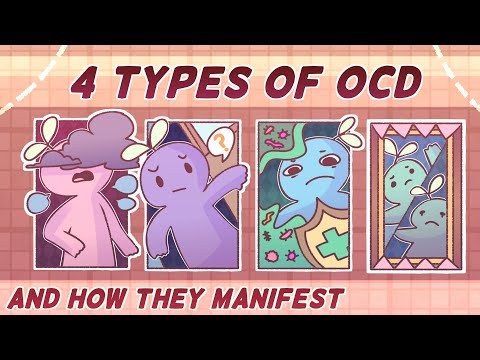
Understanding the Four Types of Obsessive-Compulsive Disorder: A Comprehensive Guide
Obsessive-Compulsive Disorder (OCD) can be pretty overwhelming. It’s not just about being a little tidy or liking things in order. There are different types that people experience, and each can feel quite unique. Let’s break it down into four main categories.
1. Contamination OCD
This type revolves around fears of germs or dirt. Imagine feeling like you can’t touch anything without washing your hands multiple times. It’s exhausting! You might remember a friend who wouldn’t even shake hands at a party, worried about “catching something.” These thoughts can lead to compulsive behaviors, like excessive hand-washing or avoiding public restrooms altogether.
2. Checking OCD
Here, folks often feel the need to check things repeatedly to avoid perceived dangers. Picture someone who needs to check if the stove is off ten times before leaving the house or feels compelled to lock their doors several times just to make sure they’re safe. It’s all about that nagging worry of something bad happening, which leads to this ritualistic checking behavior.
3. Ordering and Symmetry OCD
This one is all about needing things organized perfectly or arranged in a specific way. Think of someone who spends hours rearranging their desk so everything aligns just right or gets anxious if items are out of place. It’s like they have this internal rulebook that everything must follow—and when it doesn’t? Well, it can cause serious distress!
4. Intrusive Thoughts OCD
This is perhaps one of the toughest forms because it involves unwanted thoughts that can be really disturbing—like having violent images pop into your head unexpectedly. For instance, you might worry constantly about harming others despite having no desire to do so at all! These thoughts can make people feel guilty and anxious and often lead them down a path where they avoid certain situations, just in case those thoughts come back.
Understanding these four types sheds light on how diverse OCD really is—each person’s experience varies dramatically based on which type they deal with most. If you or someone you know goes through any of these struggles, it’s essential to recognize they’re not alone in this battle! Knowledge like this helps break down stigma and opens up conversations about what many might think only exists in movies or textbooks but is very real for so many individuals out there living with these challenges every day.
So yeah, while OCD might look different from one person to another, knowing these types helps us understand it better—making it easier for everyone involved!
Understanding Checking OCD: Legal Implications and Resources for Affected Individuals
Understanding Checking OCD is kind of a deep dive into how certain thoughts can really make you feel stuck. Imagine feeling like you’ve left the stove on and having to go back to check it, even when you know it’s off. That’s a tiny glimpse into the world of checking compulsions, part of Obsessive-Compulsive Disorder (OCD).
So, what exactly is Checking OCD? Well, it’s primarily driven by the need to ensure safety and prevent harm. This might involve repeatedly checking locks, appliances, or even your own personal items before leaving the house. It can take a serious toll on daily life. People facing this often find their routines deeply interrupted.
Legal Implications come into play when individuals with Checking OCD face challenges in their daily activities or work life. For example:
- If someone can’t get to work on time because they keep checking if they locked the door, they might be at risk for disciplinary action.
- In more severe cases, compulsions might lead to accidents while driving if someone feels compelled to check something obsessively.
- Workplaces may not always understand these struggles; absence or tardiness could be misinterpreted as irresponsible behavior.
That being said, it’s crucial to know that there are laws meant to protect individuals facing mental health issues in many places. The Americans with Disabilities Act (ADA) in the U.S., for instance, considers OCD as a mental disorder that can allow individuals access to reasonable accommodations at work.
For anyone dealing with Checking OCD or supporting someone who is, accessing resources is super important:
- Support Groups: Connecting with others who understand what you’re going through can really help lessen feelings of isolation.
- Cognitive Behavioral Therapy (CBT): This approach targets those pesky thoughts and behaviors that keep you trapped in the cycle of checking.
- Educational Resources: Understanding more about OCD through books or websites dedicated to mental health can demystify some experiences.
One quick story: I once knew someone who struggled with Checking OCD so much that they would spend hours making sure every window was shut before going out. This led them to miss events and gatherings—things they loved—because they felt so anxious about leaving home. It wasn’t just an inconvenience; it really affected their social life and how they viewed themselves.
In all this chaos surrounding Checking OCD, remember that understanding and support are key elements in navigating these challenges. While it might feel overwhelming at times, connecting with proper resources can truly make a difference in managing symptoms and reclaiming some peace of mind!
Obsessive-Compulsive Disorder, or OCD for short, can really be a tricky thing to grasp. You might think it’s just about washing your hands too much or counting things repeatedly, but there’s so much more to it. Trust me; it’s like a whole spectrum with different flavors that people experience.
Let me share a little story. I remember a friend of mine who had this intense fear of germs. I mean, she would avoid touching doorknobs and would carry hand sanitizer everywhere—almost like it was an extension of her hand! But she also had this thing where she needed everything to be perfectly aligned on her desk. If something was out of place, she’d get really anxious until she fixed it. So, in her case, it wasn’t just about being clean—it was this whole battle within herself that you could see just wouldn’t let up.
OCD often manifests through obsessions and compulsions. Obsessions are those intrusive thoughts or worries that pop into your head uninvited and stick around like an annoying fly buzzing around your ear. Compulsions are the actions you take to try and quiet those pesky thoughts—like counting steps or checking if the door is locked 20 times before leaving.
But here’s the kicker: not everyone with OCD has the same symptoms. Some folks might obsess over harming others—think wild thoughts that leave them feeling scared and distressed—while others might wrestle with fears related to orderliness or symmetry. The variety is vast! There are people who are haunted by fears related to contamination, as my friend was, and then there are those whose obsessions revolve around their own health or safety.
What really stands out is how different forms of OCD can overlap with other mental health issues too—like anxiety or depression. It’s what makes understanding these conditions even more complex. Sometimes people don’t even realize they have OCD because their symptoms can be masked by other concerns.
You know what’s essential here? Awareness. If more people understood the various faces of OCD, maybe there’d be less stigma around it. After all, it’s not as simple as someone being “neat freaked” or “quirky.” It impacts lives in profound ways.
So yeah, next time you hear someone mention OCD, remember there’s a chance they might be dealing with something much deeper than what meets the eye—hopefully fostering empathy rather than judgment along the way!