You know that feeling when anxiety hits you outta nowhere? It’s like a sudden wave crashing over you. Seriously, it can suck the joy right out of your day.
But here’s something cool to think about: your body has this amazing tool to help chill you out. Ever heard of the vagus nerve?
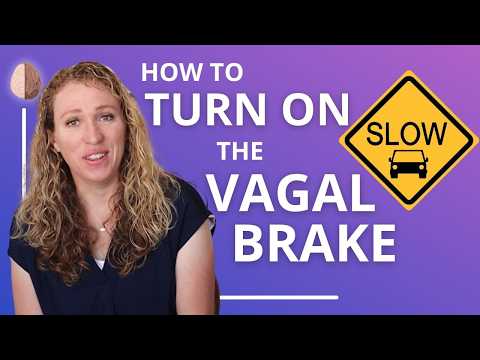
Yeah, it sounds fancy. But it’s actually your body’s built-in calm switch! This little nerve plays a massive role in how we feel and can even help ease that pesky anxiety.
Let’s chat about how to tap into this nerve and find some relief. You might just discover a new way to take the edge off!
Unlocking Calm: Effective Techniques to Reset Your Vagus Nerve and Alleviate Anxiety
Anxiety can feel like an unwelcome guest that just won’t leave, right? One of the cool things about anxiety is that it often has a physical root too. And this is where the vagus nerve comes into play. It’s a big deal in our bodies, connecting our brain to various organs and influencing how we feel. When this nerve is working well, it can help you chill out. Let’s unpack this idea and explore some ways to reset your vagus nerve to help with anxiety.
The vagus nerve is part of your parasympathetic nervous system, which is like your body’s natural calm switch. It helps slow your heart rate and lowers blood pressure. If you’ve ever felt your heart race because of stress, you know that calming down can be tough! So, what can you do to get that calm feeling back?
First off, let’s consider deep breathing. Seriously, it sounds so simple but it works wonders! When you focus on taking deep, slow breaths, you’re basically sending a message to your body: “Hey, everything’s cool!” Try inhaling deeply through your nose for a count of four, then exhaling through your mouth for a count of six or eight. Doing this for just a few minutes can really help ease anxiety.
Another technique is cold exposure. Yeah, I know it sounds wild at first! But splashing cold water on your face or even taking a cold shower can stimulate the vagus nerve. It gives your body a shock that can turn off that anxious energy. Imagine standing under the cold tap—your breath quickens at first but soon you’re focused on the sensation instead.
Then there’s yoga and stretching. Not only are they great for physical health but they also promote relaxation. Poses like Child’s Pose or even just some gentle stretches at home can be super helpful. They encourage you to breathe deeply while also engaging that vagus nerve.
Don’t forget about singing or humming. Yeah, that’s right! Your vocal cords are connected to the vagus nerve too. So singing out loud or even humming along with your favorite song can have calming effects as well. It doesn’t matter if you’re off-key—just let loose!
And hey, let’s not overlook the power of social connections. Spending time with friends or loved ones activates the vagus nerve naturally and fosters feelings of safety and support. Just having someone listen when you’re feeling anxious can work miracles!
Lastly, practicing gratitude might surprise you here too! Taking time each day to think—or jot down—what you’re thankful for can shift your mindset from anxious thoughts to positive vibes. This change in focus eases tension in both mind and body.
In summary, if anxiety feels like it’s got its grip on you sometimes, remember there are ways to reset that vital vagus nerve and find some calm again. Through deep breathing techniques, cold exposure shocks, gentle stretches or yoga poses, singing away worries with friends nearby—that all helps too! Each little piece adds up when you’re looking for relief from anxiety; it’s all about finding what resonates best with you personally as you navigate those ups and downs in life!
Exploring the Connection Between the Vagus Nerve and Anxiety Regulation
The vagus nerve is a fascinating part of our body that often doesn’t get enough attention. Seriously, it’s one of the longest nerves in the body! It runs from your brain all the way down to your abdomen, connecting various organs along the way. This little guy plays a major role in how we respond to stress and anxiety.
One really interesting thing about the vagus nerve is its connection to the **parasympathetic nervous system**. This part of your nervous system helps you relax and chill out. When you’re anxious or stressed, your sympathetic nervous system kicks in—think “fight or flight.” But when you activate your vagus nerve, it can help bring you back down to earth. So, basically, it’s like having a built-in mood stabilizer.
Now, let’s talk about why this matters for anxiety regulation. The connection here is all about how well the vagus nerve helps control heart rate and breathing. When you’re feeling anxious, your heart races and your breathing gets shallow. If we can activate that vagus nerve, it might help slow everything down.
Imagine this: you’re sitting in a meeting and suddenly feel panicked because everyone’s looking at you. Your heart starts pounding; palms get sweaty—you know? If you can take a deep breath and slow down for a second, it helps stimulate that vagus nerve. Research even shows that activities like deep breathing or meditation can increase vagal tone—basically making that nerve work better for calming you down.
Consider these key points:
- Vagal Tone: A high vagal tone is associated with better emotional regulation.
- Breathing Techniques: Slow, deep breaths can stimulate the vagus nerve.
- Meditation: Regular practice may enhance vagal function.
Sometimes people also use cold exposure as a way to engage their vagus nerve. Ever noticed how splashing cold water on your face makes you gasp? That little jolt activates several pathways including the vagus nerve which might help reset some of those anxious feelings too.
Ultimately though, harnessing this connection between the **vagus nerve** and anxiety regulation isn’t just something for researchers. It’s something we can try ourselves! Whether through deep breathing exercises or other relaxation techniques—just remember to keep it chill.
Understanding how deeply connected our body’s systems are opens up so many possibilities for managing stress and anxiety effectively, which is pretty cool if you ask me!
Understanding the Risk of Vagus Nerve Damage During Gallbladder Surgery
Understanding the vagus nerve is pretty interesting, especially when it comes to surgery. So, let’s talk about the risk of vagus nerve damage during gallbladder surgery and how it relates to anxiety relief.
The vagus nerve is a major player in our body’s nervous system. It stretches from the brain all the way down to the abdomen and connects with various organs along the way. This nerve influences heart rate, digestion, and even mood. When it gets damaged, well, that can create all sorts of issues.
Now, during gallbladder surgery—often called a cholecystectomy—the surgeons work in a tight space where they have to be careful about not harming surrounding structures. The vagus nerve runs close to where they typically operate, and that’s why there’s a risk of injury during this procedure.
Here are some key points about that risk:
- The vagus nerve helps control involuntary functions like heart rate and digestion.
- Dancing around delicate tissues can lead to unintended damage during surgery.
- If injured, you might experience symptoms like irregular heartbeat or digestive issues.
Imagine someone you know who had surgery and started feeling these weird effects afterward—that might’ve been because of vagus nerve damage! It’s kind of alarming when you think about how interconnected everything is in our bodies.
But don’t get too worried just yet! The chance of serious damage is relatively low since surgeons are trained extensively on these procedures. Plus, they use advanced techniques nowadays that help minimize risks.
So how does this connect to anxiety relief? Well, if the vagus nerve gets messed up, it might influence your ability to manage stress. You know that feeling when you’re super anxious or stressed? Part of that could be linked back to how well your body’s functioning through your vagus nerve.
Research shows stimulating this nerve can actually help with anxiety relief by activating the parasympathetic nervous system, which calms things down a bit. So for folks who struggle with anxiety after surgery or other life events, understanding this connection can really give some insight into what’s going on beneath the surface.
In short, while there is a small risk of vagus nerve damage during gallbladder surgery due to its location near surgical sites, advances in surgical techniques make such injuries quite rare. Recognizing its potential impact on both physical functions and mental health is key for anyone considering or recovering from such procedures. Keep an eye on how you’re feeling post-surgery—it’s all connected!
So, let’s chat a bit about the vagus nerve. You might be thinking, “What on earth is that?” Well, it’s this fascinating nerve in your body that runs from your brain all the way down to your abdomen. And guess what? It’s a key player in how we handle stress and anxiety. Seriously!
Imagine you’re at a party, and you suddenly feel overwhelmed by the crowd. Maybe your heart starts racing, palms get sweaty—you know that feeling? That’s your body reacting to stress. The vagus nerve can help calm things down, kind of like hitting the brakes when you’re speeding down a road.
I remember a buddy of mine who always struggled with anxiety. We went backpacking one summer—just him and I, miles away from any technology or distractions. He told me he felt this constant knot in his stomach whenever he faced something new or unfamiliar. It was tough to see him go through that.
But here’s the cool part: during our trip, we started practicing deep breathing together. You know, just inhaling deeply and slowly exhaling—as if we were blowing up a balloon. Turns out, deep breathing stimulates that vagus nerve! In just a few minutes of this practice, he noticed his anxiety easing up like the tension in a tight rubber band finally letting go.
The thing is, by activating that nerve through techniques like breath control or even meditation, you can actually kickstart your body’s natural relaxation response. It lowers heart rate and blood pressure—way cool! There are also other approaches like yoga or gentle movements that can help too.
So yeah, harnessing the vagus nerve can really be game-changing for people dealing with anxiety. It’s got this calming effect that feels almost magical when you’re caught up in life’s chaos. It doesn’t erase anxiety completely because let’s face it—life has its ups and downs—but it does offer some tools for managing those overwhelming moments better.
Just imagine taking a pause during an anxious moment; instead of spiraling into panic, you breathe deeply and activate that vagus nerve. You start feeling more grounded and less like you’re about to float away on anxiety clouds.
In reality though—and this is important—everyone is different! What works wonders for one person might not do much for another. So if you’re curious about exploring these techniques further, it’s always good to keep an open mind (and maybe try things out) but also be patient with yourself along the way!